We handle the freight
Every transformer type we buy
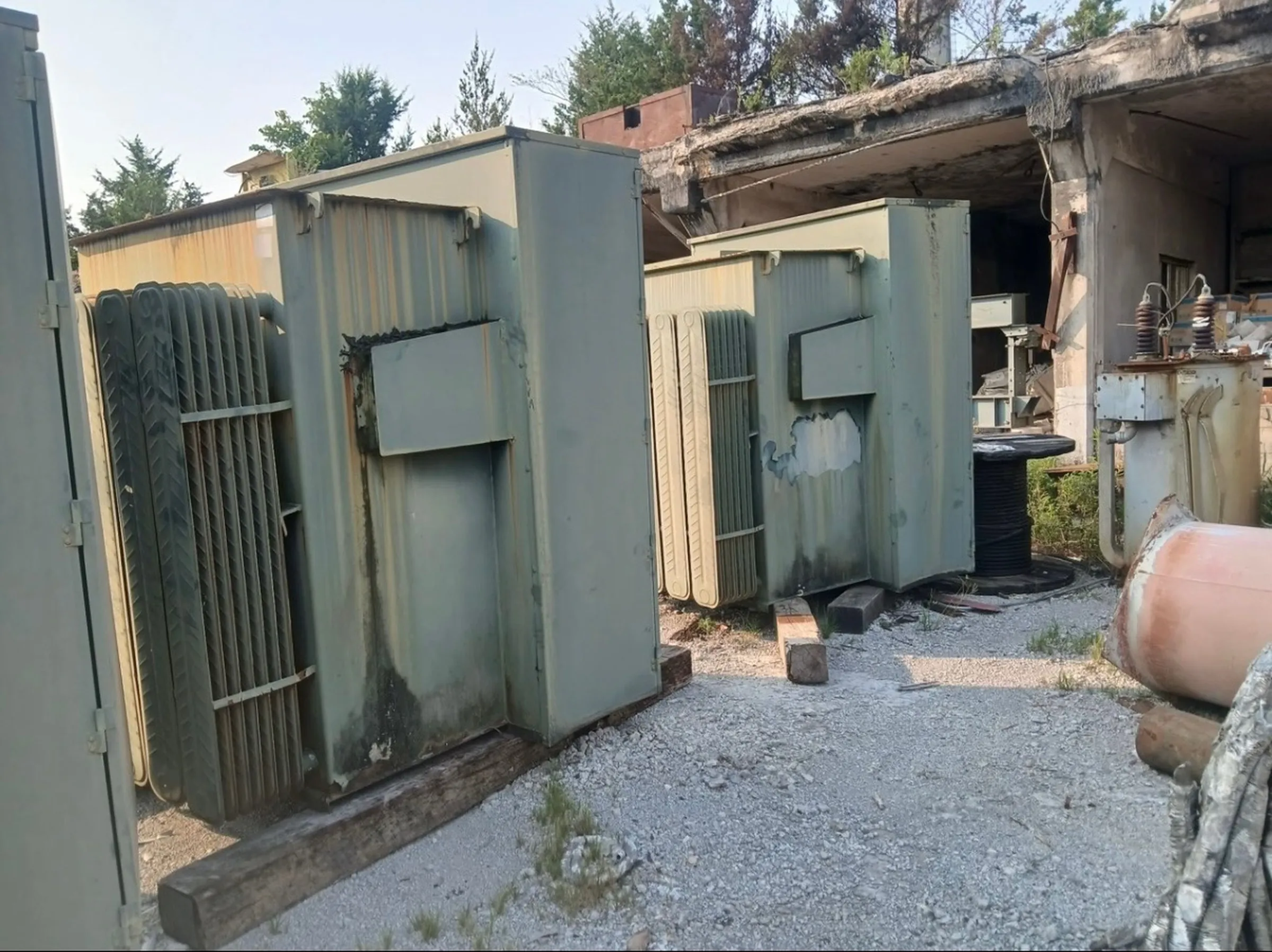
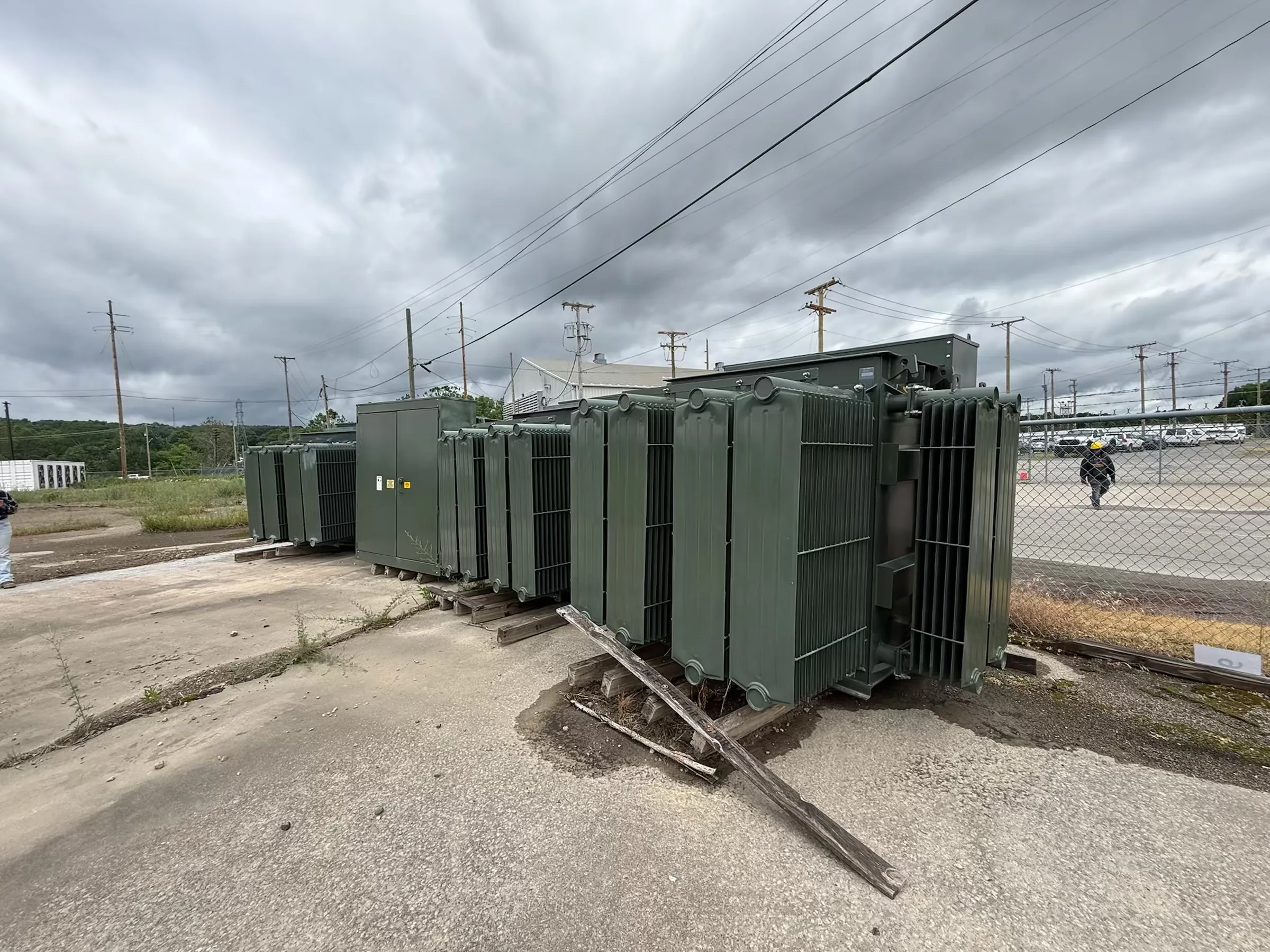
Padmount and dry-type units of this type bought across Ohio, in any condition, with the oil sampled before we quote.
What we buy
What we buy here
A type is the first thing a buyer needs, because it decides the voltage range, the cooling and the way the unit leaves the pad.
The list below runs from the padmount in a supermarket car park to the generator step-up unit at a generating station.
Who we buy from
Six kinds of seller, one desk
- Recyclers
- Electrical contractors
- Equipment dealers
- End users
- Demo contractors
- Distributors
Fast offers
A nameplate photo is usually enough to price a unit the same day.
Dedicated logistics
We arrange the crane, the permits and the flatbed, not you.
No broker fees
You are dealing with the buyer, so nothing is shaved off the offer.
How it works
Six steps from your yard to the money
- 01
Take pictures
The nameplate, the cabinet interior and the tank in daylight. Three photographs are usually enough to place a unit in the right class and the right price band.
- 02
Send them to us
The form on this page, a text or an email all reach the same desk. Include the city, the access and any deadline the site is working to.
- 03
Review the offer
A buyer reads the photographs, asks one or two questions and sends a written offer with the assumptions stated, so nothing changes on the day.
- 04
We schedule freight
Crane, flatbed and permits are booked around your access. You get a date and a window, and we carry the cost of getting it right.
- 05
Testing on arrival
Winding resistance, megger and turns ratio, plus oil analysis where the unit is liquid filled. The results decide the final number, and you see them.
- 06
Get paid
Payment is released on the agreed terms once the unit is received and tested, by check or ACH. No retention, no sixty-day terms.
What we handle for you
The parts sellers dread, done for you
Rigging
Crane and forklift arranged around your access, not the other way round.
Oil containment
Bunds, absorbent and disposal handled before the unit moves.
Bill of sale
A clean title document for your records, signed on collection.
PCB paperwork
Pre-1979 units get the testing and the manifest they need.
Types
The detail that decides the number
A transformer with its original documentation is easier to insure, easier to resell and easier to explain. A short list of photographs covers the cabinet, the tag, the bushings and the access, and nothing else is needed at the start.
A buyer's first question is about the rating and the second is about the access, in that order. The paperwork at the end is short, and it is the part that keeps everybody out of trouble.
A hot mechanical room quietly derates everything in it, and nobody notices until a unit fails early. A quick decision is a kindness when the unit is standing in the way of a project.
The industry runs on relationships, but the first one starts with a nameplate photograph. A purchase that finishes in a week is normal, and one that finishes in a day is a favour returned.
A site that has been photographed properly can be quoted without a visit, and the visit is only a confirmation. A number is only as good as the description behind it, which is why the questions are short and specific.
A seller who has the serial number to hand moves through the first call in half the time. A seller who knows what the unit is saves everybody an hour, and the hour is often the difference.
A unit substation is convenient in service and awkward to move, because the sections are bolted together. The second data plate on a rebuilt unit matters more than the first, and it is easy to photograph by mistake.
A yard with a dozen units in it is a record of what Ohio plants have been replacing. A seller should ask what happens to the unit after it leaves, because the answer says what kind of buyer they are dealing with.
A unit in a building that is coming down is a different problem from a unit in a plant that is staying. A decommissioning is orderly, which makes it the easiest kind of large project to buy from.
A seller with a deadline should say so early, because the schedule is built around the date rather than the unit. A unit that came out of a working plant is almost always the better buy, and sellers rarely realise it.
Everything in this section
Questions
Get started
Get an offer in minutes
Five fields and a phone number is all we need to start. We reply the same business day, and a firm number follows the nameplate photo.
(614) 715-3047or send the form and we will call you.
Questions
What sellers ask before they call
Equipment types
Is every page here written for Ohio?
A single padmount is a half-day job once access is confirmed; a substation unit is a week of planning and a permit. One desk, one state, one set of hauling relationships, which is why a Ohio pickup does not need a national carrier. A seller who sends four photographs at the start usually gets a decision the same day.
Service area
Can I sell a unit that is not listed here?
A broker has to shop a unit before committing to it; we own the decision, so the number you hear is a number that holds. Some units we pass on, and we say why: a burnt core, a missing coil or a contaminated oil sample changes the answer. A site visit answers in twenty minutes what a week of messages cannot.
Payment
How do I get a number?
Answers come back the same day in most cases, and the truck is scheduled the moment the paperwork is signed. You will not be handed to a call centre. The person who answers the phone is the person who decides whether we buy. A unit with elevated gas that has been stable for a decade is a different proposition from one where the figure doubled.
More