Cash on collection
Terms
How the site is published, how an enquiry becomes an offer, and what the seller is responsible for.
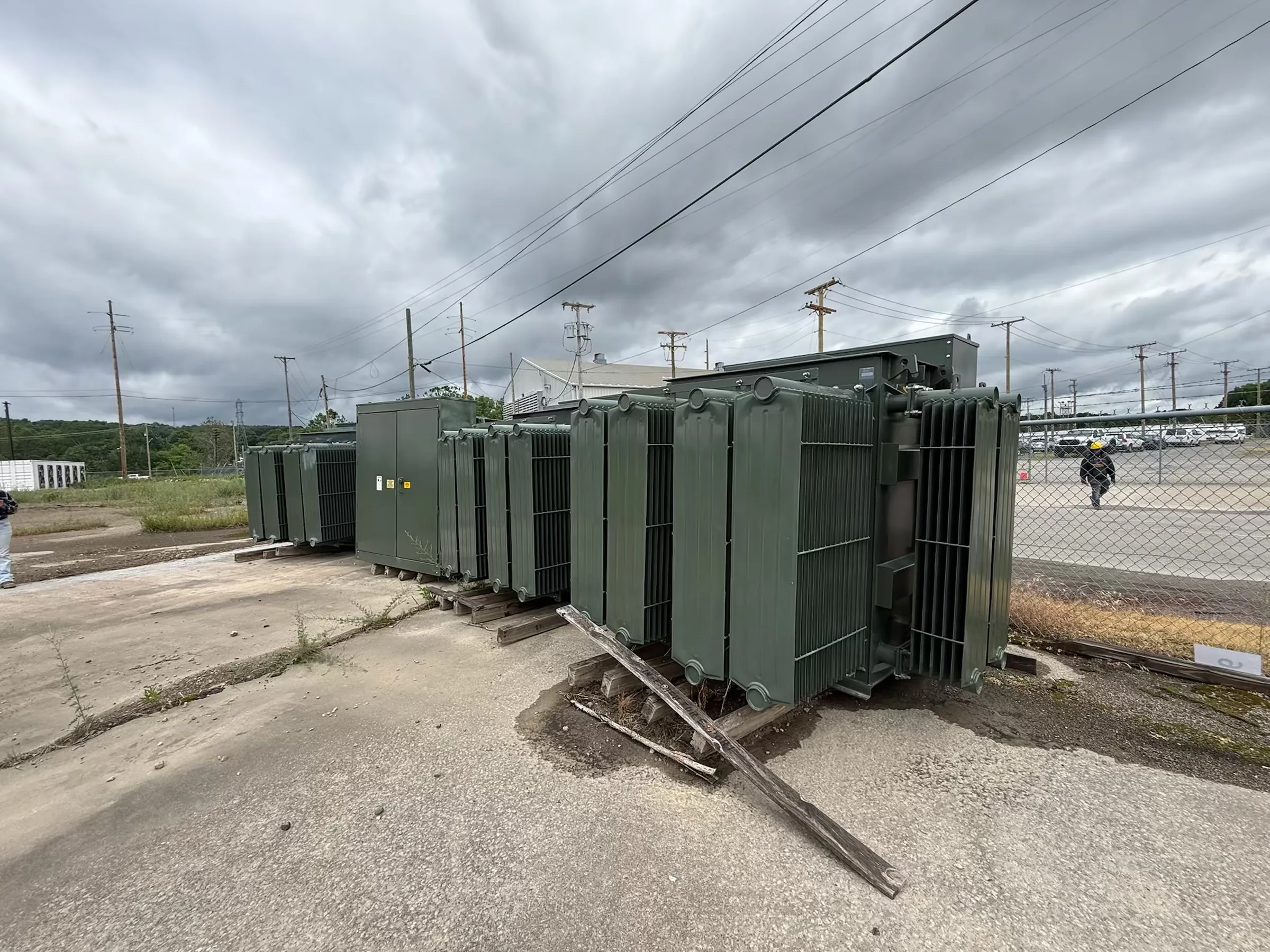
What we buy
What we buy here
These terms describe the basis on which this site is published and on which enquiries are handled. They are not a contract of sale; a sale is governed by the bill of sale signed at pickup.
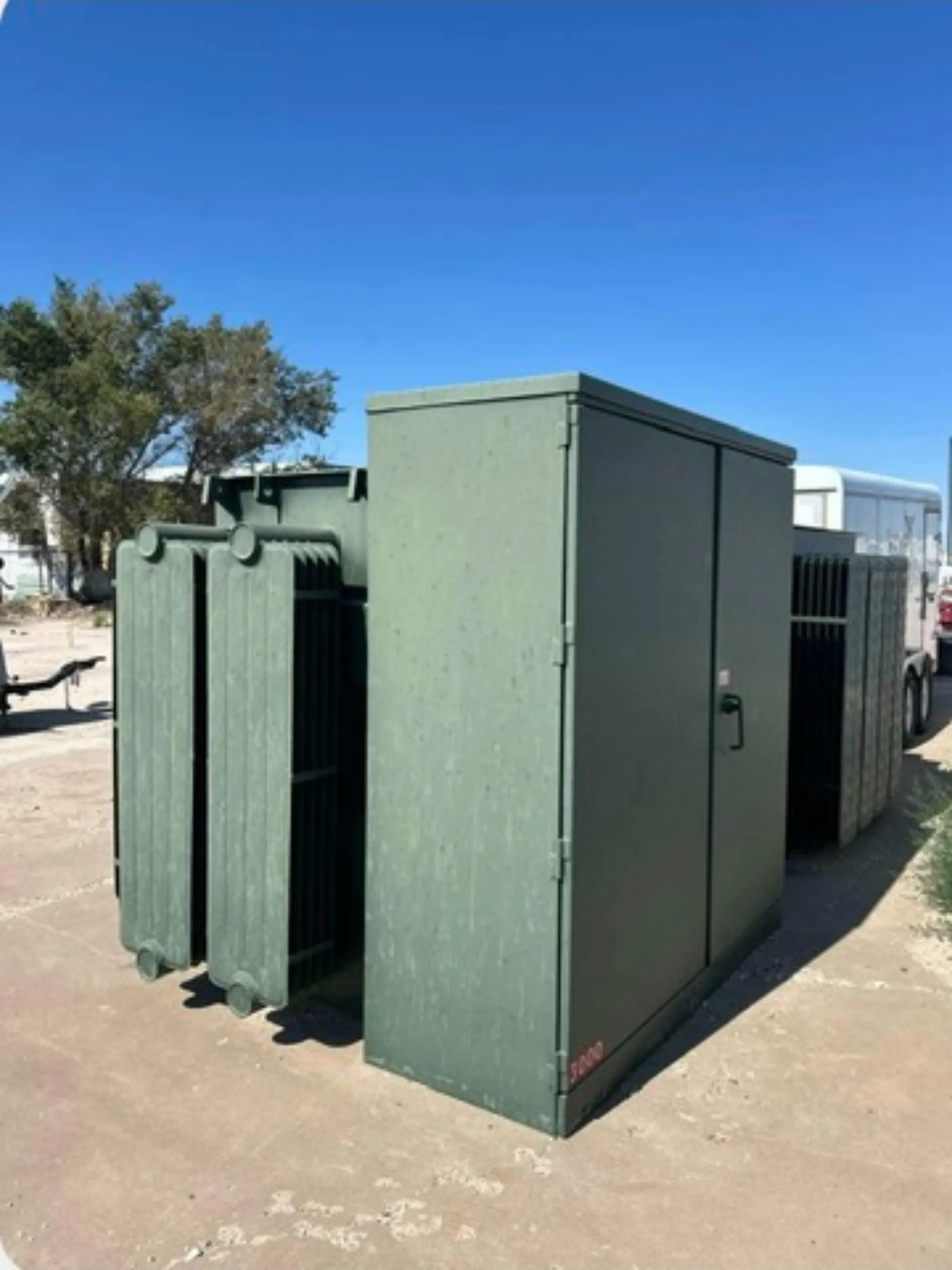
Who we buy from
Six kinds of seller, one desk
- Recyclers
- Electrical contractors
- Equipment dealers
- End users
- Demo contractors
- Distributors
Fast offers
A nameplate photo is usually enough to price a unit the same day.
Dedicated logistics
We arrange the crane, the permits and the flatbed, not you.
No broker fees
You are dealing with the buyer, so nothing is shaved off the offer.
How it works
Six steps from your yard to the money
- 01
Take pictures
The nameplate, the cabinet interior and the tank in daylight. Three photographs are usually enough to place a unit in the right class and the right price band.
- 02
Send them to us
The form on this page, a text or an email all reach the same desk. Include the city, the access and any deadline the site is working to.
- 03
Review the offer
A buyer reads the photographs, asks one or two questions and sends a written offer with the assumptions stated, so nothing changes on the day.
- 04
We schedule freight
Crane, flatbed and permits are booked around your access. You get a date and a window, and we carry the cost of getting it right.
- 05
Testing on arrival
Winding resistance, megger and turns ratio, plus oil analysis where the unit is liquid filled. The results decide the final number, and you see them.
- 06
Get paid
Payment is released on the agreed terms once the unit is received and tested, by check or ACH. No retention, no sixty-day terms.
What we handle for you
The parts sellers dread, done for you
Rigging
Crane and forklift arranged around your access, not the other way round.
Oil containment
Bunds, absorbent and disposal handled before the unit moves.
Bill of sale
A clean title document for your records, signed on collection.
PCB paperwork
Pre-1979 units get the testing and the manifest they need.
Policy
About this site
The site is published by Electrical Transformer Buyers Ohio, a buying desk that purchases electrical transformers within the state of Ohio. It does not sell transformers, parts or services, and nothing on the site should be read as an offer to supply equipment.
Enquiries and offers
A number given in response to an enquiry is an indication based on the information supplied. It becomes an offer when it is confirmed in writing and accepted, and it is conditional on the unit matching the description and on the site being accessible on the agreed date.
Where an inspection reveals a material difference, such as a failed winding, water in the oil or contamination, the offer is renegotiated before the unit moves. Nothing is deducted after the unit is loaded.
Site access and safety
The seller is responsible for isolating and locking out the unit before the crew arrives, and for providing safe access to the pad. The crew will not work on energized equipment, and will stop work if the site is unsafe.
Title and liens
The seller confirms that they own the unit and that it is free of liens, or provides a release from the lender. A leased unit is sold by the lessor rather than the tenant.
Content
The written material on this site describes buying practice and general transformer topics. It is not engineering advice, and it should not be used to specify, install or energize equipment. Electrical work requires a qualified person and the applicable code.
Liability
A unit described honestly sells faster than one described optimistically, because the second one gets renegotiated. A yard with a dozen units in it is a record of what Ohio plants have been replacing.
A substation unit is a project rather than a purchase, and it should be planned like one. A site visit answers in twenty minutes what a week of messages cannot.
Nothing about a transformer improves by waiting, and the oil in particular gets worse rather than better. A buyer's first question is about the rating and the second is about the access, in that order.
A buyer who cannot say where the unit will go is a broker, and brokers add a day and a deduction. A demolition pickup is fast, dirty and often the most profitable, because the alternative is a unit in a rubble pile.
A buck-boost unit is almost always misapplied rather than worn out, and the diagram inside the cover explains why. A transformer with its original documentation is easier to insure, easier to resell and easier to explain.
A unit that was replaced during an upgrade is almost always a better buy than one that failed on a Tuesday. The order of work is always the same: look, measure, test, agree, lift, pay.
A seller should ask what happens to the unit after it leaves, because the answer says what kind of buyer they are dealing with. A buyer who quotes without asking anything has quoted for a different transformer.
A buyer who works the whole state can move a unit to whichever plant needs it, which is why the coverage matters. A seller who has the serial number to hand moves through the first call in half the time.
A transformer that has been idle for two years may still be perfect, and the test sheet is how you find out. A buying desk earns its keep by answering quickly, because a seller with a unit in the way is not looking for a relationship.
Governing law
Get started
Get an offer in minutes
Five fields and a phone number is all we need to start. We reply the same business day, and a firm number follows the nameplate photo.
(614) 715-3047or send the form and we will call you.