Paid on pickup
How a transformer buy actually runs
Short, written down, and the same for a 50 kVA can as for a 20 MVA substation unit.
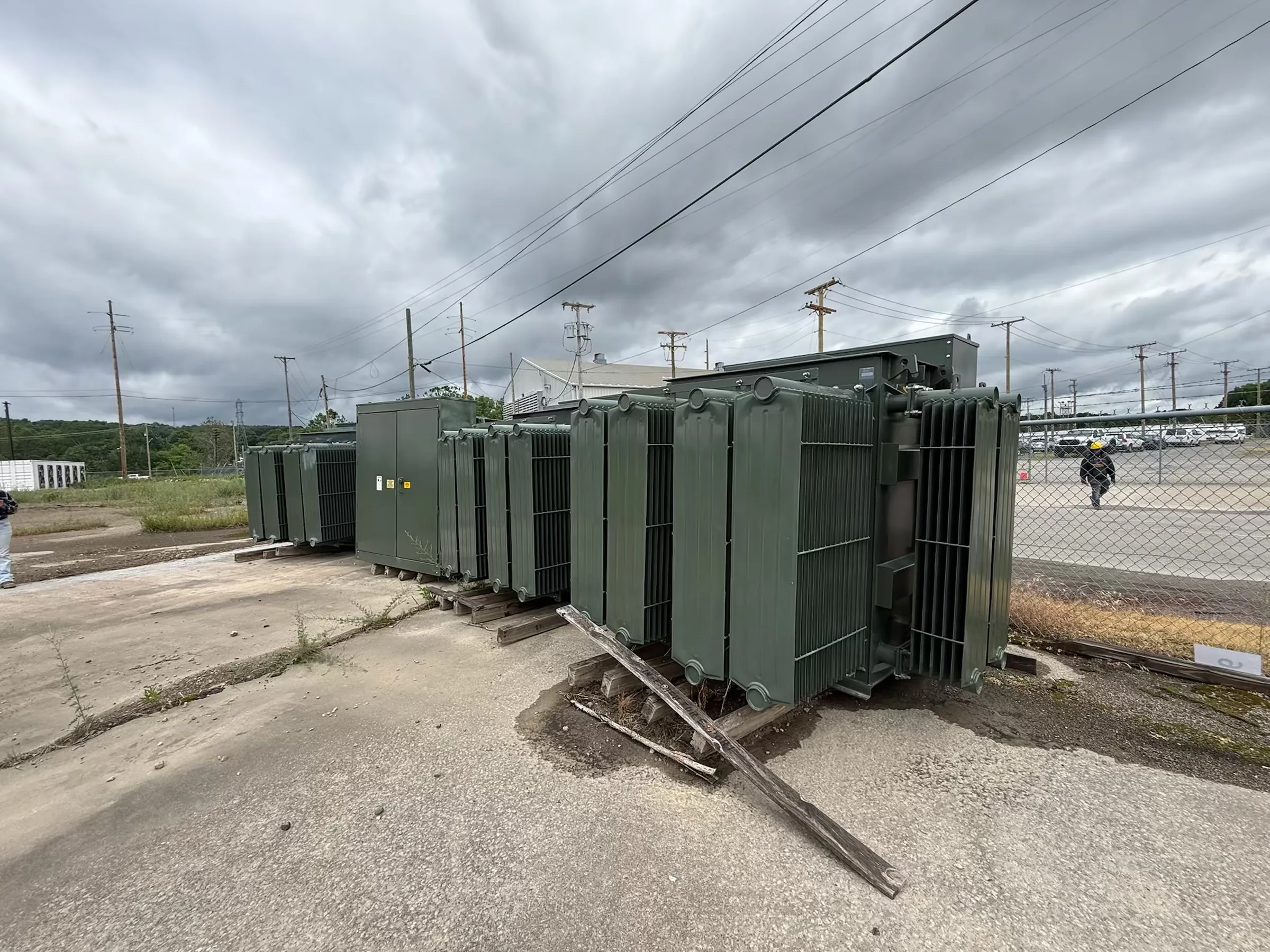
What we buy
What we buy here
Four steps, in order, with nothing hidden between them. The process is deliberately short, because a seller with a transformer in the way does not need a programme, they need a date and a number.
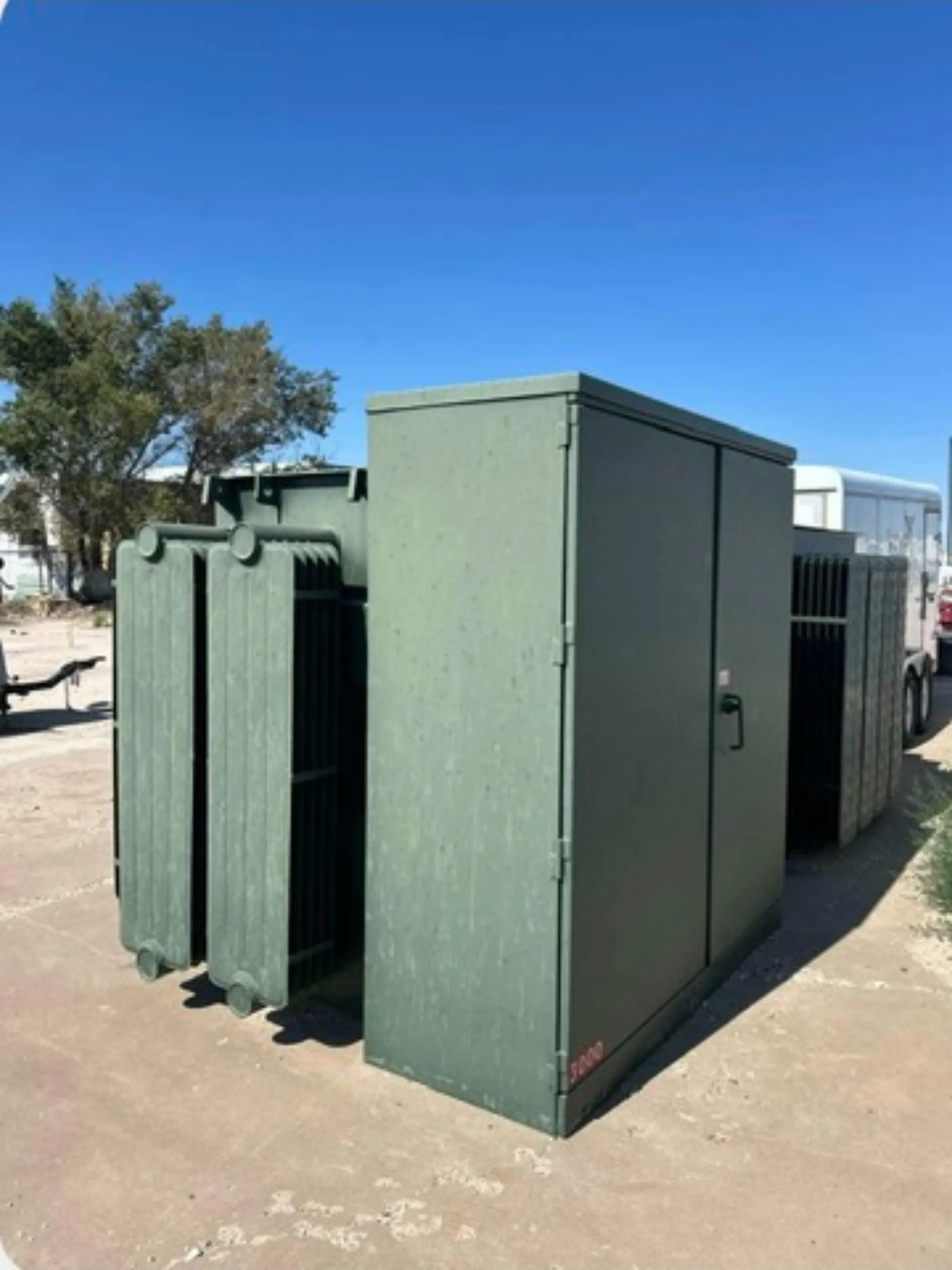
Who we buy from
Six kinds of seller, one desk
- Recyclers
- Electrical contractors
- Equipment dealers
- End users
- Demo contractors
- Distributors
Fast offers
A nameplate photo is usually enough to price a unit the same day.
Dedicated logistics
We arrange the crane, the permits and the flatbed, not you.
No broker fees
You are dealing with the buyer, so nothing is shaved off the offer.
How it works
Six steps from your yard to the money
- 01
Tell us what is there
The nameplate photograph, the cabinet photograph and the location. If the tag is missing, measure the tank, count the radiators and photograph the bushings; a buyer can size a unit from that.
- 02
Get a number and a basis
The offer states what it assumes. If the oil has not been tested, the offer says so and explains what changes if the test comes back badly. Nothing is added later without your agreement.
- 03
Agree the access
Gate width, overhead clearance, ground bearing, the distance to where a trailer can stand, and who is on site to open up. This is where most pickups are won or lost.
- 04
Watch it leave
The crew lifts, loads, secures and photographs the load. The bill of sale is signed, payment is made, and the pad is swept before the truck pulls out.
- 05
Testing on arrival
Winding resistance, megger and turns ratio, plus oil analysis where the unit is liquid filled. The results decide the final number, and you see them.
- 06
Get paid
Payment is released on the agreed terms once the unit is received and tested, by check or ACH. No retention, no sixty-day terms.
What we handle for you
The parts sellers dread, done for you
Rigging
Crane and forklift arranged around your access, not the other way round.
Oil containment
Bunds, absorbent and disposal handled before the unit moves.
Bill of sale
A clean title document for your records, signed on collection.
PCB paperwork
Pre-1979 units get the testing and the manifest they need.
Process
What we ask for, and why
The nameplate answers six questions at once: what the unit is, how big it is, what voltage it works at, how it is connected, how much fault current it lets through and how hot it runs. With that photograph, a buyer can price a unit before anybody drives anywhere.
The location answers the next set. Which utility serves the site, which road the trailer comes in on, whether a permit is needed and whether the crane can set up within reach of the pad. A 1,000 kVA unit in a downtown vault and the same unit beside a loading dock are two different jobs.
Four photographs cover most of it: the nameplate, the whole cabinet, the bushings and the pad, and whatever is in the way of a truck. The only thing that changes a quote afterwards is something the photographs did not show, which is why we ask early.
What happens after the number
Where the timetable comes from
Common questions
Related pages
Get started
Get an offer in minutes
Five fields and a phone number is all we need to start. We reply the same business day, and a firm number follows the nameplate photo.
(614) 715-3047or send the form and we will call you.
Questions
What sellers ask before they call
Equipment types
How quickly can you get to a site?
If the sale sits inside a confidential process, say so on the first call and the file is handled accordingly. A mixed lot takes longer than a single unit because every tag has to be read, but it still moves in days rather than months. Paint is a cosmetic question, and seam rust is a structural one, and the two are often confused.
Service area
Do I need to disconnect the unit first?
There is no pressure to accept on the call; the number holds for a set period and you can test it against another buyer. An oil-filled unit near a drain needs a spill kit on site before the first bolt comes out. A plant engineer who knows the fault history is worth more than a file of invoices.
Payment
What if the unit is in a basement?
A broker has to shop a unit before committing to it; we own the decision, so the number you hear is a number that holds. We would rather hear about the bad driveway on the phone than discover it with a loaded trailer. A seller should ask what happens to the unit after it leaves, because the answer says what kind of buyer they are dealing with.
Logistics
Who pays for the crane?
A buyer reads the tag, checks whatever oil history exists, and says what the unit is worth as it stands rather than what it might be worth rebuilt. Nobody asks you to front the crane, the permits or the haul, and nobody nets those out of the offer afterwards. A decommissioning is orderly, which makes it the easiest kind of large project to buy from.