No fees, no broker
Pickup and freight, handled
Crane, rigging, permit, escort and trailer are part of the purchase rather than a list of extras.
What we buy
What we buy here
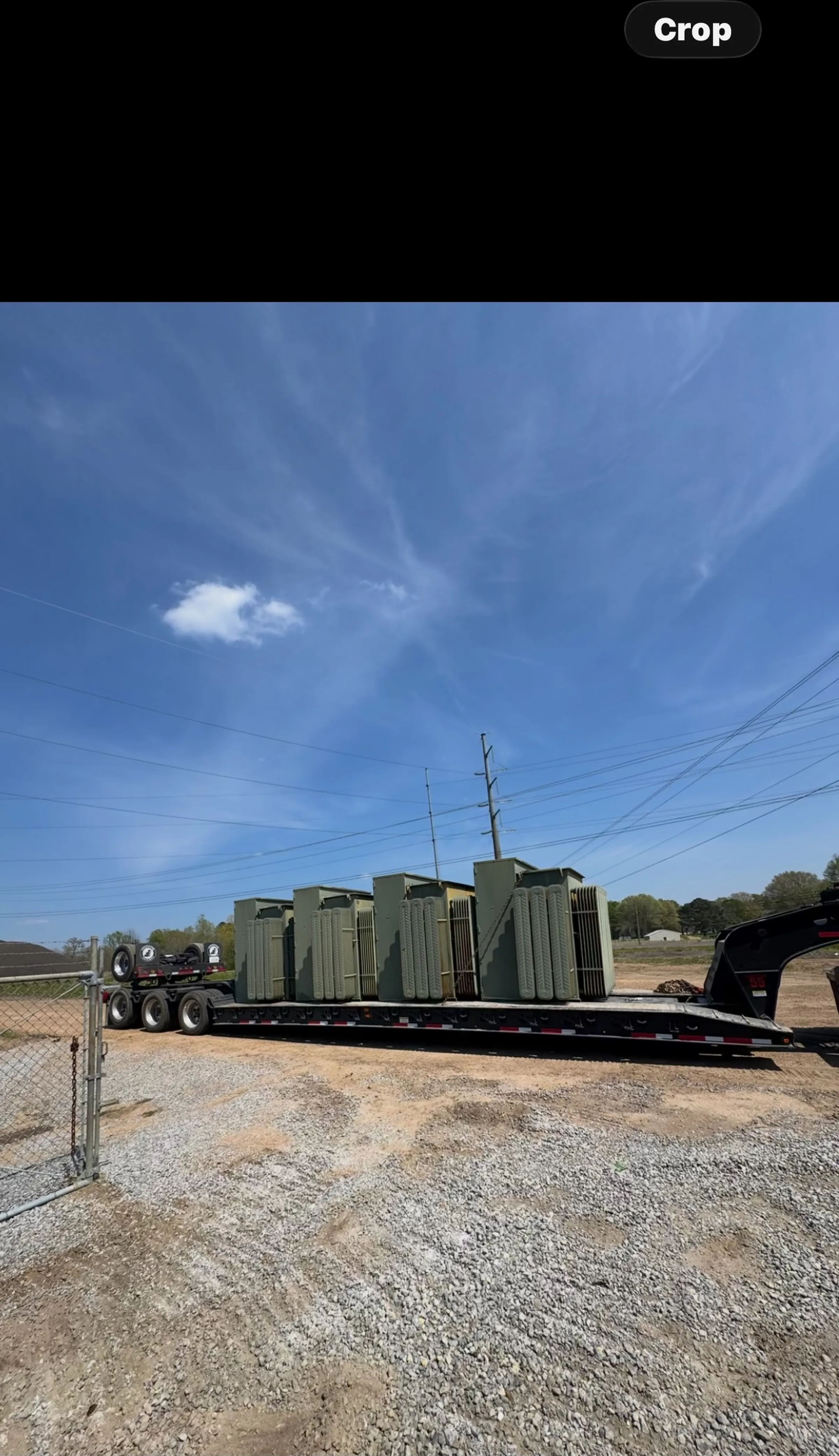
The lift is where a transformer purchase succeeds or fails, and it is the part sellers underestimate most often. A unit that looks straightforward on a pad can need a crane, a permit, a road closure and a police escort before it reaches a trailer.
We arrange all of it. The crane, the rigging, the trailer, the permit, the escort and the route are ours to organise and ours to pay for, which is why the offer is a single number rather than a number plus a list of extras.
| Padmounts up to 500 kVA | Telehandler and step deck |
|---|---|
| Padmounts 500 to 2,500 kVA | Hydraulic crane and step deck |
| Substation units | All-terrain crane, lowboy or multi-axle |
| Indoor dry-types | Pallet jack, gantry or small crane |
| Vaults and basements | Rigging plan, winch and roller skates |
| Large units | Permit, escort and route survey |
Who we buy from
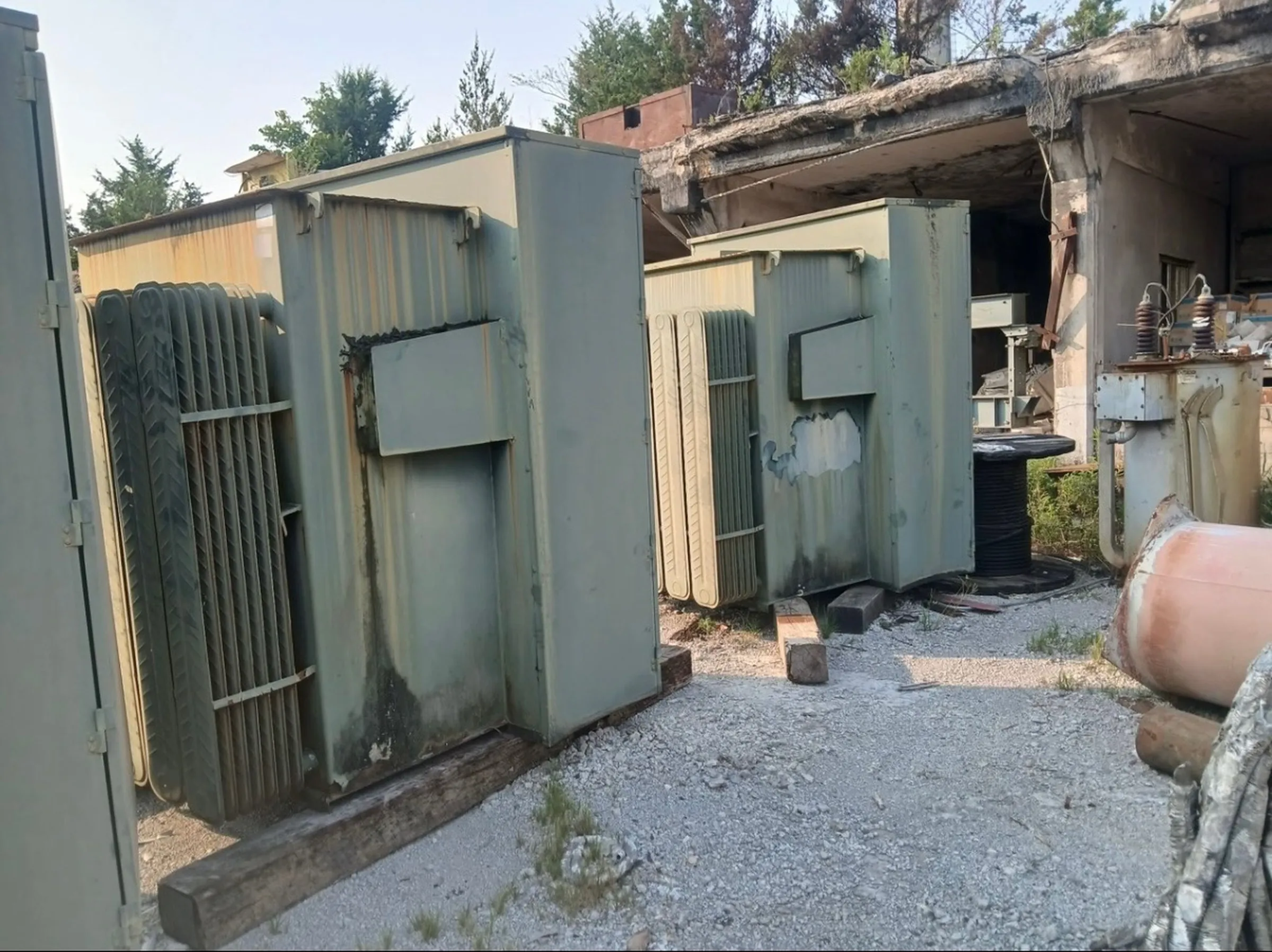
Six kinds of seller, one desk
- Recyclers
- Electrical contractors
- Equipment dealers
- End users
- Demo contractors
- Distributors
Fast offers
A nameplate photo is usually enough to price a unit the same day.
Dedicated logistics
We arrange the crane, the permits and the flatbed, not you.
No broker fees
You are dealing with the buyer, so nothing is shaved off the offer.
How it works
Six steps from your yard to the money
- 01
Take pictures
The nameplate, the cabinet interior and the tank in daylight. Three photographs are usually enough to place a unit in the right class and the right price band.
- 02
Send them to us
The form on this page, a text or an email all reach the same desk. Include the city, the access and any deadline the site is working to.
- 03
Review the offer
A buyer reads the photographs, asks one or two questions and sends a written offer with the assumptions stated, so nothing changes on the day.
- 04
We schedule freight
Crane, flatbed and permits are booked around your access. You get a date and a window, and we carry the cost of getting it right.
- 05
Testing on arrival
Winding resistance, megger and turns ratio, plus oil analysis where the unit is liquid filled. The results decide the final number, and you see them.
- 06
Get paid
Payment is released on the agreed terms once the unit is received and tested, by check or ACH. No retention, no sixty-day terms.
What we handle for you
The parts sellers dread, done for you
Rigging
Crane and forklift arranged around your access, not the other way round.
Oil containment
Bunds, absorbent and disposal handled before the unit moves.
Bill of sale
A clean title document for your records, signed on collection.
PCB paperwork
Pre-1979 units get the testing and the manifest they need.
Logistics
The lift
Weight comes from the nameplate, with oil added if the tag gives a dry weight. Lifting points come from the tank, not from the cabinet, and slings go to the lugs or under a skid with spreader bars so the tank sides and radiators stay clear. The crane is sized on reach and radius rather than on weight alone.
A unit on timber skids is easy; a unit bolted to a concrete pad needs a lift, not a drag. Overweight is a permit problem before it is a crane problem, and Ohio scales are not forgiving.
The route
Ohio issues permits by route. Bridge ratings, municipal weight restrictions, construction zones and overhead clearance all shape which way a heavy unit travels, and the permit names the route the driver has to follow. A route that looks longer on a map is often faster, because it avoids a bridge that needs an engineering review.
When the site is difficult
What we need from the site
Vehicles and equipment we bring
Questions
Get started
Get an offer in minutes
Five fields and a phone number is all we need to start. We reply the same business day, and a firm number follows the nameplate photo.
(614) 715-3047or send the form and we will call you.
Questions
What sellers ask before they call
Equipment types
Do you charge for the crane?
If there is a bill of sale, a lien release or an asset tag, photograph that too, because paperwork is part of the condition. Payment goes out by bank wire, ACH or certified check on pickup, with no holdback waiting on somebody else's sale. A relocation leaves behind exactly the units that were built into the building, which is why they become surplus.
Service area
Who arranges the permit?
You will not be handed to a call centre. The person who answers the phone is the person who decides whether we buy. We handle the permit application, the escorts and the curfew restrictions, so the seller does not have to learn the process. A unit that has been looked after is obvious within a minute, and so is one that has not.
Payment
Can you get a unit out of a basement?
The process runs on one call and one look: describe the unit, send the tag, agree a number, and put a date on the truck. Access decides more deals than condition does: a unit behind a locked gate with a low wire across the drive is a problem to solve, not a reason to walk. A seller who has the serial number to hand moves through the first call in half the time.
Logistics
What if the ground is soft?
The last thing we need is a contact on site who can open a gate, and that is often the hardest thing to arrange. Slings go to the lugs or under the skid with spreader bars, never around the radiator bank. A seller should be able to tell, from one phone call, whether the buyer has done this before.