Any condition, any size
What we buy, in plain terms
Every transformer type, Every brand we see, Every voltage class and every condition from working to flooded. Ohio only.
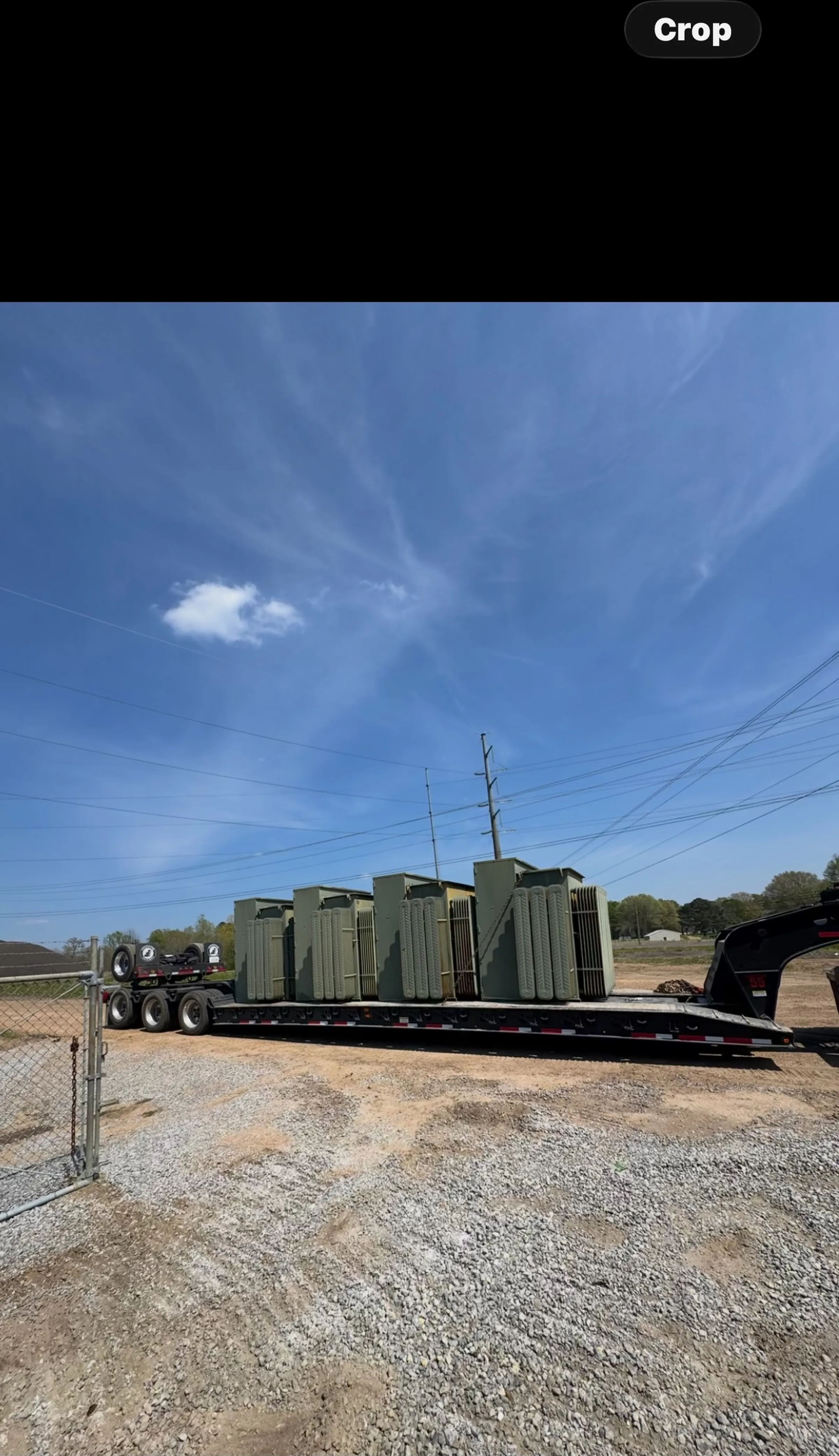
What we buy
What we buy here
The list is long because Ohio's industrial base is long. A buying desk that only takes clean padmounts turns away most of what actually comes out of a plant, so we take the awkward units as well as the easy ones.
Everything below is bought in any condition that can be lifted onto a trailer. Working, idle, failed, flooded, contaminated, partly dismantled and missing its tag are all inside the range, and each one is priced on what it is rather than on what it was.
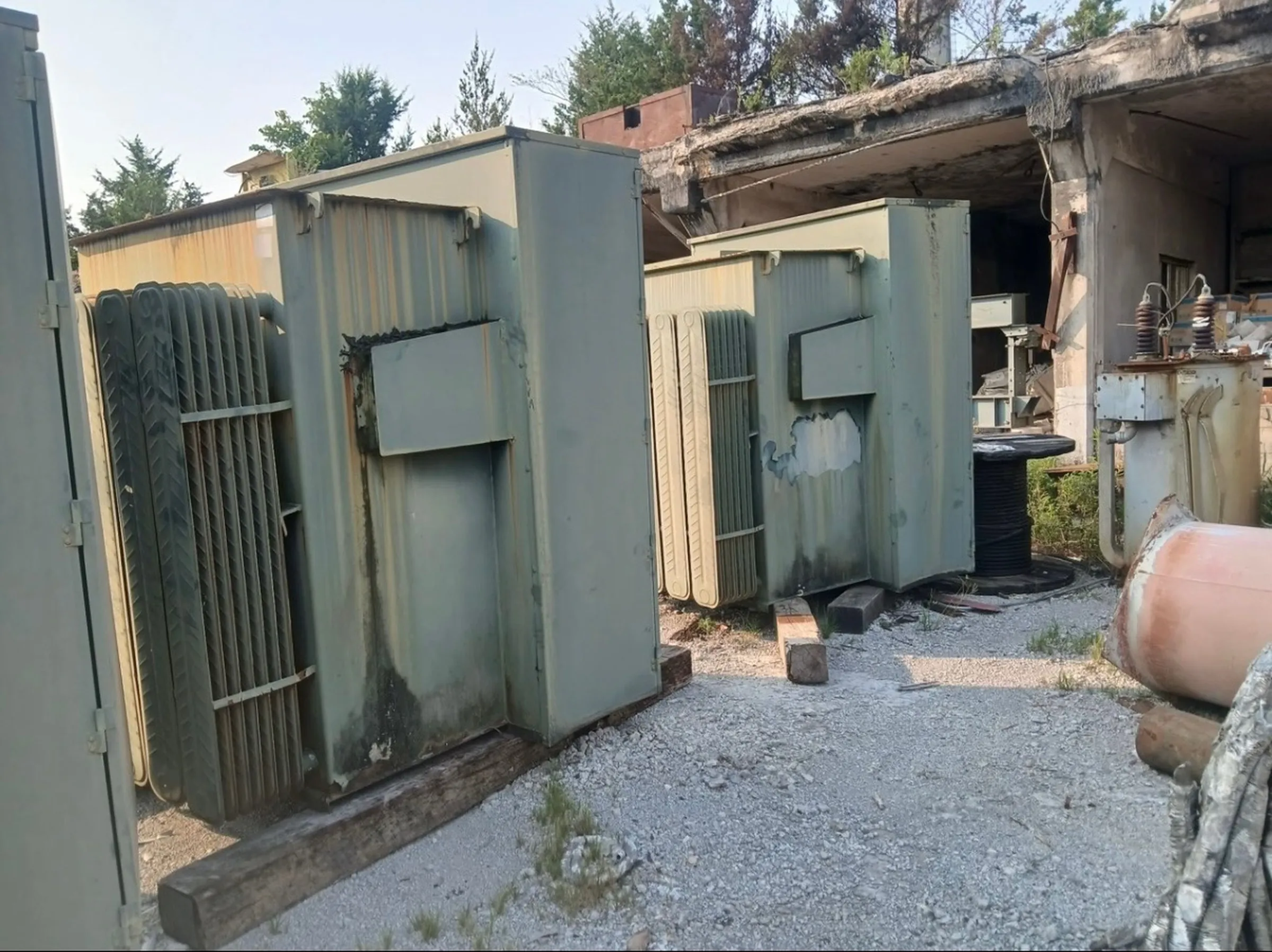
Who we buy from
Six kinds of seller, one desk
- Recyclers
- Electrical contractors
- Equipment dealers
- End users
- Demo contractors
- Distributors
Fast offers
A nameplate photo is usually enough to price a unit the same day.
Dedicated logistics
We arrange the crane, the permits and the flatbed, not you.
No broker fees
You are dealing with the buyer, so nothing is shaved off the offer.
How it works
Six steps from your yard to the money
- 01
Take pictures
The nameplate, the cabinet interior and the tank in daylight. Three photographs are usually enough to place a unit in the right class and the right price band.
- 02
Send them to us
The form on this page, a text or an email all reach the same desk. Include the city, the access and any deadline the site is working to.
- 03
Review the offer
A buyer reads the photographs, asks one or two questions and sends a written offer with the assumptions stated, so nothing changes on the day.
- 04
We schedule freight
Crane, flatbed and permits are booked around your access. You get a date and a window, and we carry the cost of getting it right.
- 05
Testing on arrival
Winding resistance, megger and turns ratio, plus oil analysis where the unit is liquid filled. The results decide the final number, and you see them.
- 06
Get paid
Payment is released on the agreed terms once the unit is received and tested, by check or ACH. No retention, no sixty-day terms.
What we handle for you
The parts sellers dread, done for you
Rigging
Crane and forklift arranged around your access, not the other way round.
Oil containment
Bunds, absorbent and disposal handled before the unit moves.
Bill of sale
A clean title document for your records, signed on collection.
PCB paperwork
Pre-1979 units get the testing and the manifest they need.
Scope
By type
Padmount transformers, with or without integral switchgear. Substation and substation-class units. Low-voltage and medium-voltage dry-types, including cast resin and VPI. Pole-mounted distribution units. Buck-boost, drive isolation, K-factor, zig-zag grounding, isolation and autotransformers. Furnace, rectifier, solar, wind, marine, locomotive, traction, mine duty, kiln, station service, generator step-up, phase shifting, Scott-T, instrument, reactor, network, unit substation, mobile substation, high impedance, sealed dry-type, three-winding and oil-filled distribution units.
By size
From 15 kVA to 100 MVA, in the standard steps that manufacturers actually built: 15, 25, 37.5, 50, 75, 100, 112.5, 150, 167, 225, 250, 300, 333, 500, 750 and up through the MVA range. A common size is easier to place and is priced accordingly; an odd size is not refused, it is simply a smaller market.
By voltage
Distribution class from 600 volts to 34.5 kV, sub-transmission at 46 and 69 kV, and transmission units at 115 kV and above. The voltage on the tag decides which buyers can use a unit, which is why it is the second thing we ask after the kVA.
By condition
A working unit that was replaced during an upgrade is the best purchase in the market, because it was running when somebody decided to change it. A failed unit is still worth buying for the tank, the core and the hardware. A flooded or contaminated unit is a managed disposal with a recovery value rather than a simple purchase.
What we do not buy
Questions
Get started
Get an offer in minutes
Five fields and a phone number is all we need to start. We reply the same business day, and a firm number follows the nameplate photo.
(614) 715-3047or send the form and we will call you.
Questions
What sellers ask before they call
Equipment types
Do you buy dry-type units as well as oil-filled?
You send a photograph of the nameplate, a buyer reads it, and you get a number with the conditions attached instead of a range that means nothing. Cast resin coils tolerate dirty air better than ventilated units, but they crack when they are cycled hard. A seller with four units on one site gets a better number per unit than a seller with one.
Service area
Will you take a unit with no nameplate?
Every county in the state is covered, from the lake shore to the river, and Ohio sits inside the regular loop. Serial numbers date a unit better than anything else on the cabinet, and the year changes what the oil is likely to contain. The industry runs on relationships, but the first one starts with a nameplate photograph.
Payment
Do you buy transformers that are still energized?
When the answer is no, it is usually about the core, the oil or the access, and we name which one. A transformer that has been isolated for a year can still hold a charge, which is why we test before we touch. A seller with a deadline should say so early, because the schedule is built around the date rather than the unit.
Logistics
Can you take a whole yard at once?
The process runs on one call and one look: describe the unit, send the tag, agree a number, and put a date on the truck. Answers come back the same day in most cases, and the truck is scheduled the moment the paperwork is signed. A partial assembly is bought on the assumption that something is missing, because it usually is.