We handle the freight
Sell Your Surplus Transformers
Padmount, substation and dry-type units bought across Ohio, with rigging and freight arranged.
What we buy
What we buy in Ohio
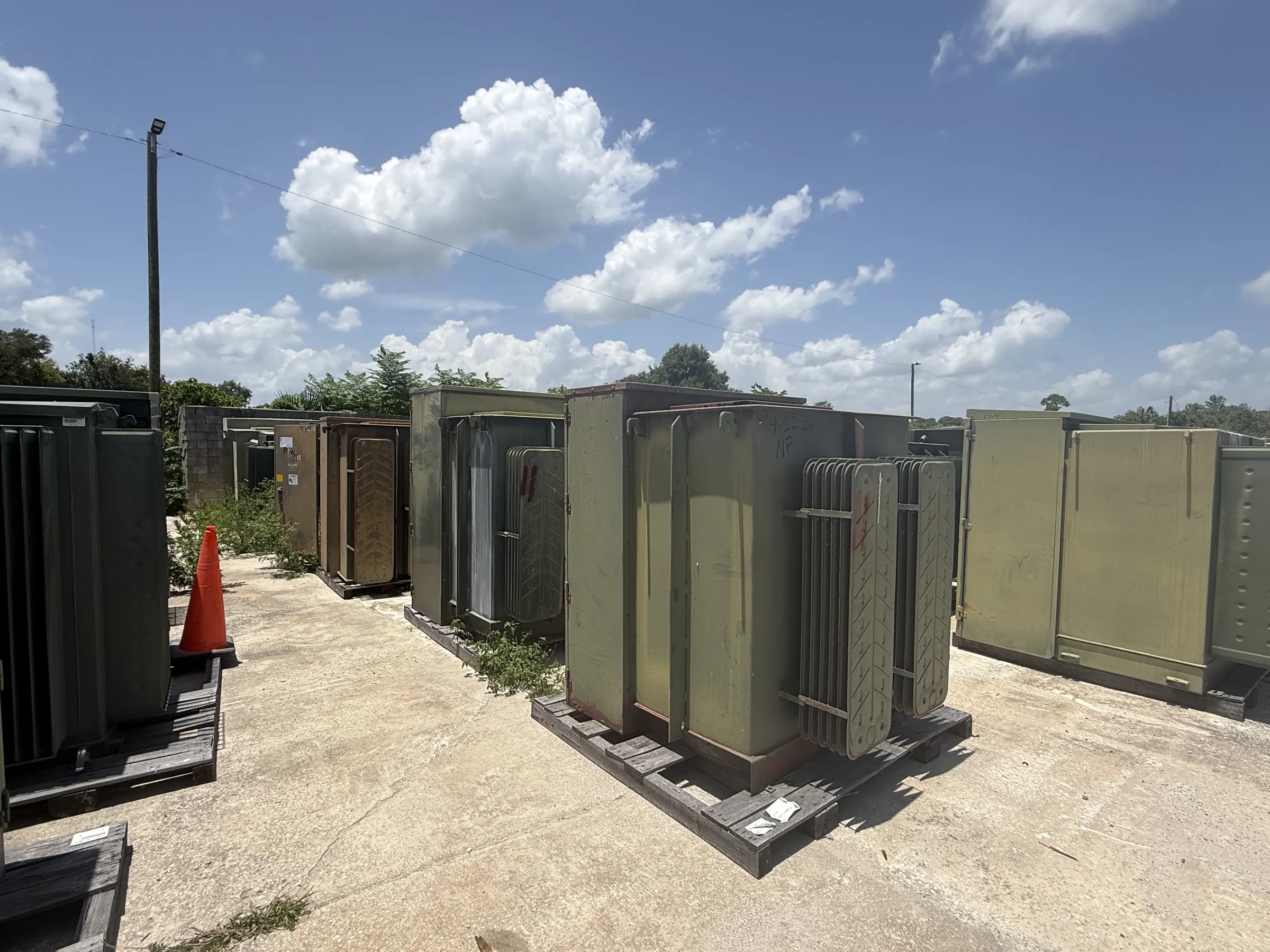
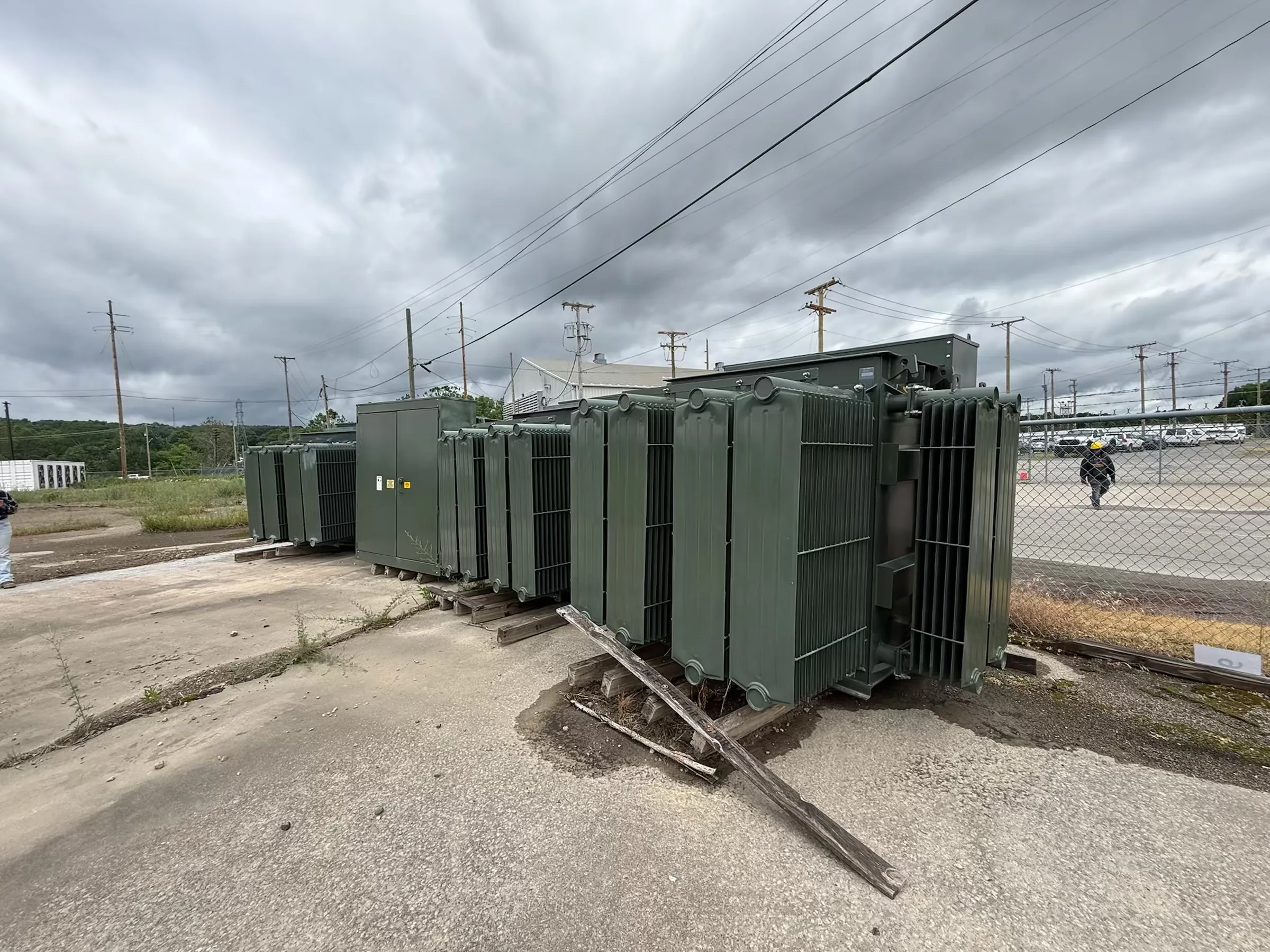
Ohio has more transformers sitting in yards, warehouses and dead plant rooms than any register will ever show. Some are waiting for a project that was cancelled. Some came out of a service that was replaced and never scrapped. Some are still on the pad, disconnected, with a tag the plant manager stopped looking at years ago. This desk buys them, and the phone number at the top of the page reaches a person who can say yes or no.
We are buyers. That single sentence is the whole business model, and it is why the conversation is short. There is no stock list to work through, no equipment to sell you, and no relationship to manage afterwards. A transformer comes in, a number goes out, a truck arrives, and the pad is clear.
| Distribution | 15 kVA to 5,000 kVA, padmount and pole |
|---|---|
| Substation | 2.5 MVA to 100 MVA, free-standing |
| Dry type | 15 kVA to 10,000 kVA, low and medium voltage |
| Specialty | Furnace, rectifier, traction, grounding, reactor |
| Condition | Working, idle, failed, flooded, contaminated |
| Quantity | One unit or a whole yard |
Who we buy from
Six kinds of seller, one desk
- Recyclers
- Electrical contractors
- Equipment dealers
- End users
- Demo contractors
- Distributors
Fast offers
A nameplate photo is usually enough to price a unit the same day.
Dedicated logistics
We arrange the crane, the permits and the flatbed, not you.
No broker fees
You are dealing with the buyer, so nothing is shaved off the offer.
How it works
Six steps from your yard to the money
- 01
Send the tag
A photograph of the nameplate, a photograph of the cabinet and a sentence about where the unit sits. That is enough for a first number, and it takes about four minutes.
- 02
Agree the basis
We confirm what the offer assumes: whether the oil is tested, who takes the bushings, who handles the crane, and what happens if the unit turns out to be full of water.
- 03
Book the lift
The crew is scheduled against your deadline rather than ours. If a permit is needed, the application goes in before the truck is booked, not after.
- 04
Pay on pickup
The balance is settled when the unit leaves the pad, by wire, ACH or certified check. The bill of sale names the serial, the kVA and the voltages.
- 05
Testing on arrival
Winding resistance, megger and turns ratio, plus oil analysis where the unit is liquid filled. The results decide the final number, and you see them.
- 06
Get paid
Payment is released on the agreed terms once the unit is received and tested, by check or ACH. No retention, no sixty-day terms.
What we handle for you
The parts sellers dread, done for you
Rigging
Crane and forklift arranged around your access, not the other way round.
Oil containment
Bunds, absorbent and disposal handled before the unit moves.
Bill of sale
A clean title document for your records, signed on collection.
PCB paperwork
Pre-1979 units get the testing and the manifest they need.
Buyers, not sellers
What a buying desk actually does
A buying desk exists because a transformer is awkward to value and awkward to move. The unit is heavy, the oil is regulated, the transport may need a permit and the buyer may be three states away. We take all four problems at once: we price the unit from its nameplate and its oil, we handle the oil properly, we book the crane and the trailer, and we pay when it leaves the pad.
What comes across the desk
How a buy runs, start to finish
What decides the number
Where we work
Questions sellers ask first
Talk to a buyer
The form below takes eight fields and goes straight to the buying desk. If the unit is urgent, call (614) 715-3047 and describe the tag; a buyer can usually give a range on the phone and a firm number once the photographs arrive.
Get started
Get an offer in minutes
Five fields and a phone number is all we need to start. We reply the same business day, and a firm number follows the nameplate photo.
(614) 715-3047or send the form and we will call you.
Questions
What sellers ask before they call
Equipment types
Do you buy a transformer that has failed?
A broker has to shop a unit before committing to it; we own the decision, so the number you hear is a number that holds. A buyer who says yes to everything is not a buyer; the useful answer explains what would have to be true for the number to rise. The second data plate on a rebuilt unit matters more than the first, and it is easy to photograph by mistake.
Service area
Is there a charge for a site visit?
There is no fee to look, no commission on the number, and no deduction invented after the truck is loaded. A municipal seller needs an invoice and a W-9; a plant needs a wire against a bill of sale. We do both without drama. A seller who has the serial number to hand moves through the first call in half the time.
Payment
What if the unit is still connected?
Sellers inside a closure or a bankruptcy need discretion as much as speed, and both are available here. An oil-filled unit near a drain needs a spill kit on site before the first bolt comes out. A yard with a dozen units in it is a record of what Ohio plants have been replacing.
Logistics
Do you buy one unit, or only lots?
There is no middle layer taking a spread: the desk that quotes is the desk that pays and the desk that sends the truck. A mixed lot takes longer than a single unit because every tag has to be read, but it still moves in days rather than months. Nothing about a transformer improves by waiting, and the oil in particular gets worse rather than better.
Testing
What happens to the oil?
The figure we agree is the figure that lands, because rigging and freight are ours to carry, not yours to absorb. A scrap ticket is not a title, and a unit that came out of a scrap yard needs a provenance note before anyone can rely on it. The market for used transformers is smaller than the market for new ones, and it rewards honest descriptions.