We handle the freight
Sell a High-Impedance Transformer in Ohio
Padmount and dry-type units of this type bought across Ohio, in any condition, with the oil sampled before we quote.
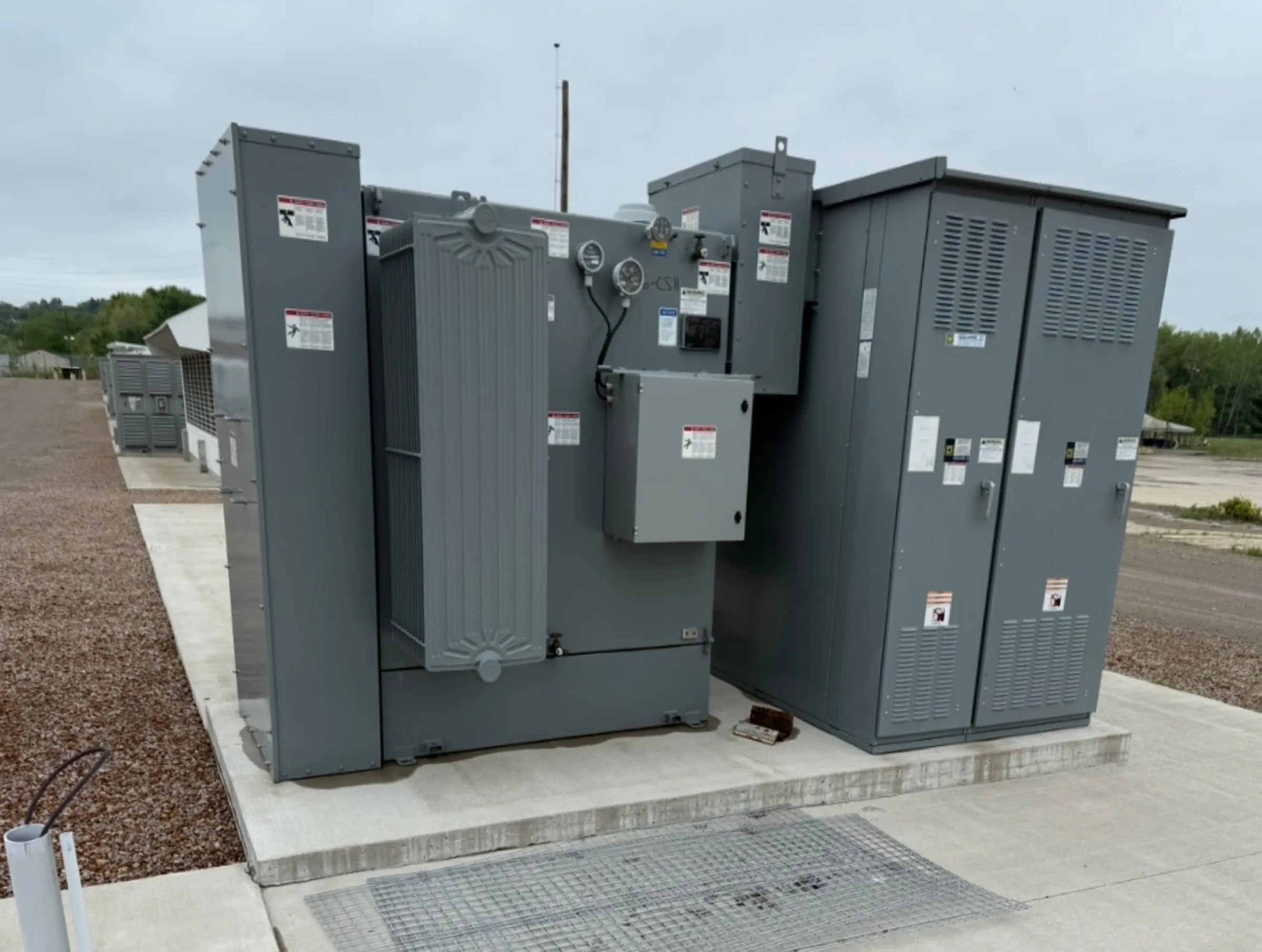
What we buy
What we buy here
high-impedance transformers appear in plants with weak switchgear, rectifier systems and specialised processes work more often than anywhere else, and that is where most of our Ohio pickups come from. We have bought high-impedance transformers out of plants, substations, hospitals and yards, and the process does not change with the setting.
| Size band | 300 kVA to 10 MVA |
|---|---|
| Voltage | 4,160 to 34,500 volts |
| Usually found | plants with weak switchgear, rectifier systems and specialised processes |
| What we inspect | the impedance figure, cooling and whether the unit has been run above its rating |
| How it travels | a step deck or lowboy, with the impedance test recorded before the move |

Who we buy from
Six kinds of seller, one desk
- Recyclers
- Electrical contractors
- Equipment dealers
- End users
- Demo contractors
- Distributors
Fast offers
A nameplate photo is usually enough to price a unit the same day.
Dedicated logistics
We arrange the crane, the permits and the flatbed, not you.
No broker fees
You are dealing with the buyer, so nothing is shaved off the offer.
How it works
Six steps from your yard to the money
- 01
Take pictures
The nameplate, the cabinet interior and the tank in daylight. Three photographs are usually enough to place a unit in the right class and the right price band.
- 02
Send them to us
The form on this page, a text or an email all reach the same desk. Include the city, the access and any deadline the site is working to.
- 03
Review the offer
A buyer reads the photographs, asks one or two questions and sends a written offer with the assumptions stated, so nothing changes on the day.
- 04
We schedule freight
Crane, flatbed and permits are booked around your access. You get a date and a window, and we carry the cost of getting it right.
- 05
Testing on arrival
Winding resistance, megger and turns ratio, plus oil analysis where the unit is liquid filled. The results decide the final number, and you see them.
- 06
Get paid
Payment is released on the agreed terms once the unit is received and tested, by check or ACH. No retention, no sixty-day terms.
What we handle for you
The parts sellers dread, done for you
Rigging
Crane and forklift arranged around your access, not the other way round.
Oil containment
Bunds, absorbent and disposal handled before the unit moves.
Bill of sale
A clean title document for your records, signed on collection.
PCB paperwork
Pre-1979 units get the testing and the manifest they need.
Transformer type
What a high-impedance transformer is
Most high-impedance transformers are bought for a project that never happened, which is why so many of them are in good condition. A storm leaves a range that runs from cosmetic damage to a burnt core, and testing is what separates them.
Rewinding is a planned decision rather than an emergency one, which is why it suits a unit with a rare rating. A working unit replaced during an upgrade carries no fault history, which is the main reason it is worth more.
Where these units turn up in Ohio
A buyer who turns up with a torch and a tape measure is not there to argue about the paint. Paint is a cosmetic question, and seam rust is a structural one, and the two are often confused.
A decision made on a photograph is reversible; a decision made after the truck arrives is not. A plant engineer who knows the fault history is worth more than a file of invoices.
What we check before we quote
The cabinet tells you whether anybody has been inside it recently, and the bolt heads tell you whether they knew what they were doing. A transformer that has run at a steady percentage of nameplate for years usually has clean oil, whatever its age.
Condition, oil and contamination
What a high-impedance transformer is worth to us
Getting it off the pad
Common questions
A high-impedance unit is bought for the fault current it limits rather than the load it carries, so the percent impedance on the tag matters more than the kVA. We ask for the impedance and the application before we discuss a number, because a unit built for a drive or a mine feeder is worth more to the one plant that needs it than to a dealer who would only weigh it.
Other transformer types we buy
Get started
Get an offer in minutes
Five fields and a phone number is all we need to start. We reply the same business day, and a firm number follows the nameplate photo.
(614) 715-3047or send the form and we will call you.
Questions
What sellers ask before they call
Equipment types
Do you buy a high-impedance transformer that has already failed?
A broker has to shop a unit before committing to it; we own the decision, so the number you hear is a number that holds. The offer arrives with the reasoning attached, so it can go to a board or a finance team without translation. A seller should ask what happens to the unit after it leaves, because the answer says what kind of buyer they are dealing with.
Service area
What does a high-impedance transformer weigh, and does that change the pickup?
Demolition schedules, lease expirations and closing dates all work the same way here: give us the date and we work to it. The truck is chosen from the weight, the height and the axle count, not from whatever happens to be in the yard. A seller with four units on one site gets a better number per unit than a seller with one.
Payment
Can you collect a high-impedance transformer outside Ohio?
A unit with no tag is not a dead end; it is a unit that needs a tape measure and a close look at the bushings. We do not buy in Pennsylvania, Michigan, Kentucky, Indiana or West Virginia, and we say so rather than waste a seller's week. A unit substation is convenient in service and awkward to move, because the sections are bolted together.