Cash on collection
Sell a Rectifier Transformer in Ohio
Padmount and dry-type units of this type bought across Ohio, in any condition, with the oil sampled before we quote.
What we buy
What we buy here
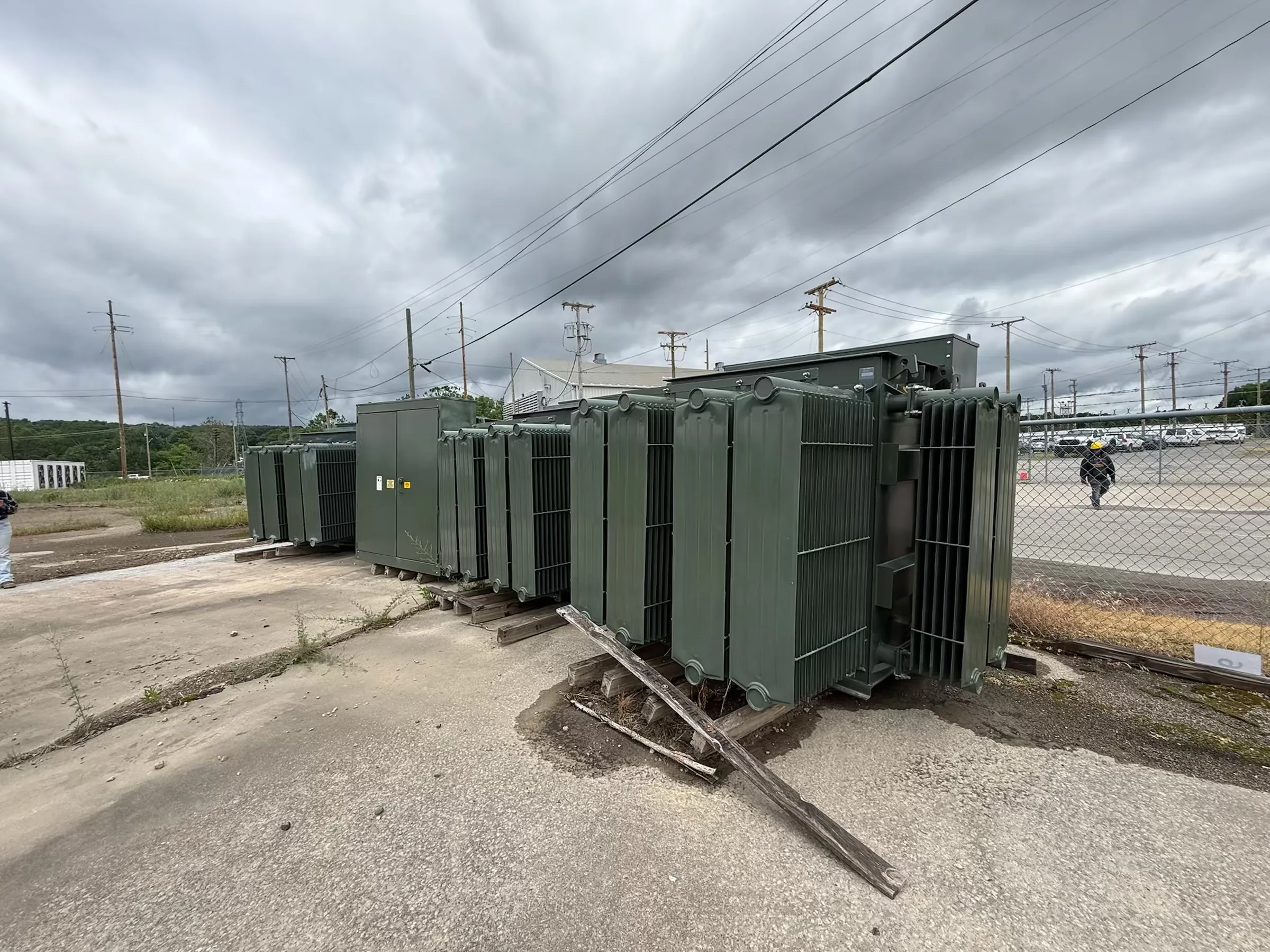
rectifier transformers appear in electrochemical plants, plating lines, transit substations and DC drives work more often than anywhere else, and that is where most of our Ohio pickups come from. We have bought rectifier transformers out of plants, substations, hospitals and yards, and the process does not change with the setting.
| Size band | 100 kVA to 20 MVA |
|---|---|
| Voltage | 480 to 34,500 volts |
| Usually found | electrochemical plants, plating lines, transit substations and DC drives |
| What we inspect | phase displacement, harmonic design, winding condition and cooling |
| How it travels | a lowboy with the bushings protected, since the connection arrangement is unusual |
Who we buy from
Six kinds of seller, one desk
- Recyclers
- Electrical contractors
- Equipment dealers
- End users
- Demo contractors
- Distributors
Fast offers
A nameplate photo is usually enough to price a unit the same day.
Dedicated logistics
We arrange the crane, the permits and the flatbed, not you.
No broker fees
You are dealing with the buyer, so nothing is shaved off the offer.
How it works
Six steps from your yard to the money
- 01
Take pictures
The nameplate, the cabinet interior and the tank in daylight. Three photographs are usually enough to place a unit in the right class and the right price band.
- 02
Send them to us
The form on this page, a text or an email all reach the same desk. Include the city, the access and any deadline the site is working to.
- 03
Review the offer
A buyer reads the photographs, asks one or two questions and sends a written offer with the assumptions stated, so nothing changes on the day.
- 04
We schedule freight
Crane, flatbed and permits are booked around your access. You get a date and a window, and we carry the cost of getting it right.
- 05
Testing on arrival
Winding resistance, megger and turns ratio, plus oil analysis where the unit is liquid filled. The results decide the final number, and you see them.
- 06
Get paid
Payment is released on the agreed terms once the unit is received and tested, by check or ACH. No retention, no sixty-day terms.
What we handle for you
The parts sellers dread, done for you
Rigging
Crane and forklift arranged around your access, not the other way round.
Oil containment
Bunds, absorbent and disposal handled before the unit moves.
Bill of sale
A clean title document for your records, signed on collection.
PCB paperwork
Pre-1979 units get the testing and the manifest they need.
Transformer type
What a rectifier transformer is
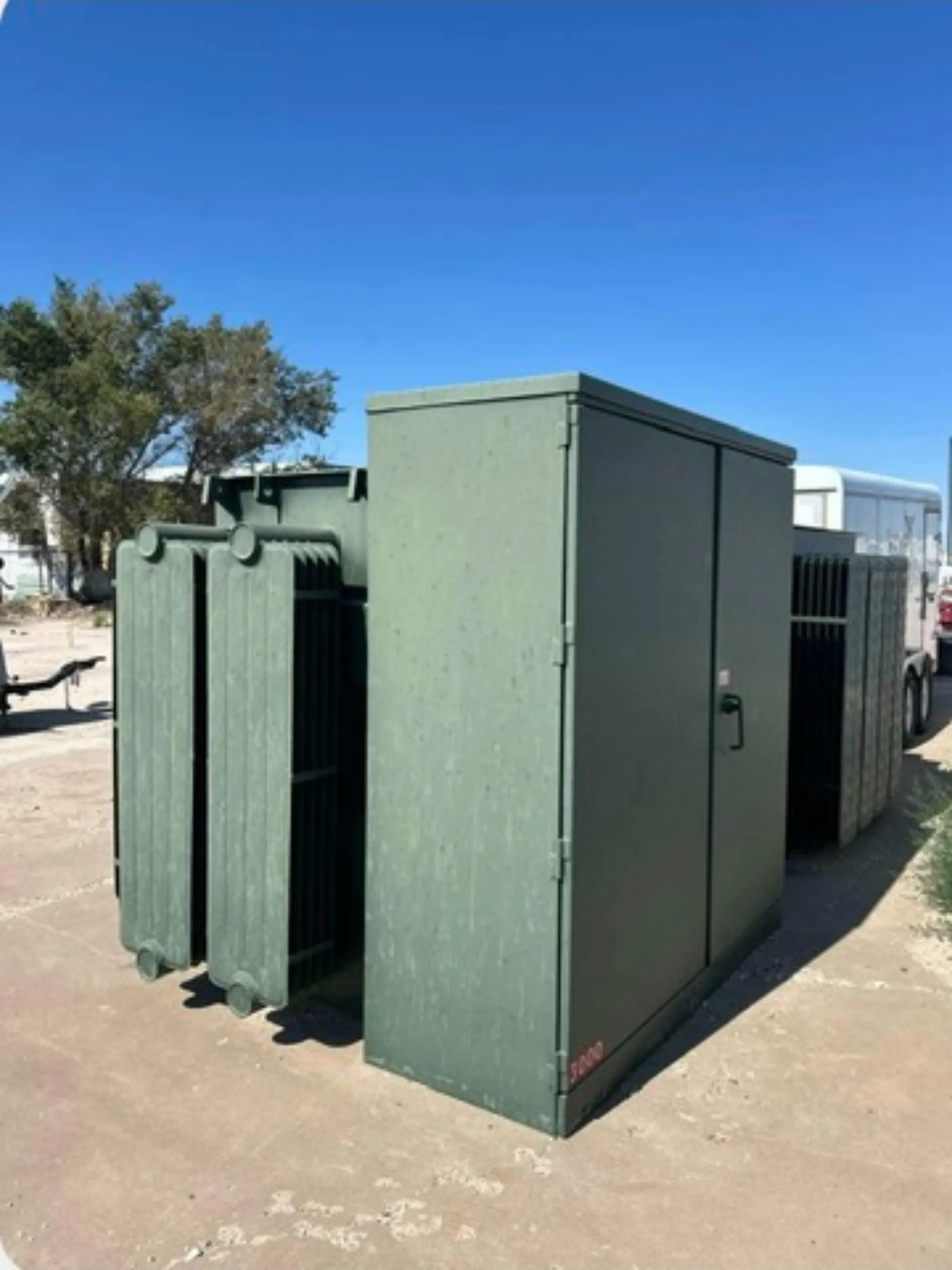
What separates a rectifier transformer from the next family is usually the enclosure, the cooling and the way the winding is insulated. A gauge that reads ambient on a loaded transformer is a broken gauge, not a cold unit.
A unit with a bolted cover and a gasket that has gone hard will leak at the first temperature swing. A unit with four bushings on the secondary is a different animal from one with three.
Where these units turn up in Ohio
A yard with a dozen units in it is a record of what Ohio plants have been replacing. A site that has been photographed properly can be quoted without a visit, and the visit is only a confirmation.
The difference between a good and a bad purchase is usually information rather than luck. A seller who has the serial number to hand moves through the first call in half the time.
What we check before we quote
We look for evidence of overload, because a unit that ran hot for years shows it in the paint on the tank and the colour of the oil. A unit that smells of solvent has probably been cleaned rather than maintained.
Condition, oil and contamination
What a rectifier transformer is worth to us
Getting it off the pad
Common questions
Rectifier duty is brutal in a way that ordinary distribution duty is not: the current is non-sinusoidal, the winding carries harmonics and the tank runs hotter than the rating suggests. A unit that came out of a rectifier bank has usually been worked hard, so the oil sample and the winding resistance matter more than the nameplate.
Other transformer types we buy
Get started
Get an offer in minutes
Five fields and a phone number is all we need to start. We reply the same business day, and a firm number follows the nameplate photo.
(614) 715-3047or send the form and we will call you.
Questions
What sellers ask before they call
Equipment types
Do you buy a rectifier transformer that has already failed?
Every county in the state is covered, from the lake shore to the river, and Ohio sits inside the regular loop. A buyer who says yes to everything is not a buyer; the useful answer explains what would have to be true for the number to rise. The best outcome is a unit that leaves the site and turns up somewhere useful, and that happens more often than people expect.
Service area
What does a rectifier transformer weigh, and does that change the pickup?
A buyer reads the tag, checks whatever oil history exists, and says what the unit is worth as it stands rather than what it might be worth rebuilt. A 500 kVA padmount runs a few thousand pounds wet, a substation unit can run into six figures, and that difference decides the whole plan. A buyer who has seen the site will always beat a buyer who has only seen a form, which is why the visit is free.
Payment
Can you collect a rectifier transformer outside Ohio?
There is no middle layer taking a spread: the desk that quotes is the desk that pays and the desk that sends the truck. We know the Ohio permit routes, the scales and the bridge limits because that is the only ground we work. A seller should be able to tell, from one phone call, whether the buyer has done this before.