Any condition, any size
Sell a 4.16 kV Transformer in Ohio
Padmount and dry-type units at this voltage bought across Ohio, in service or already on the floor.
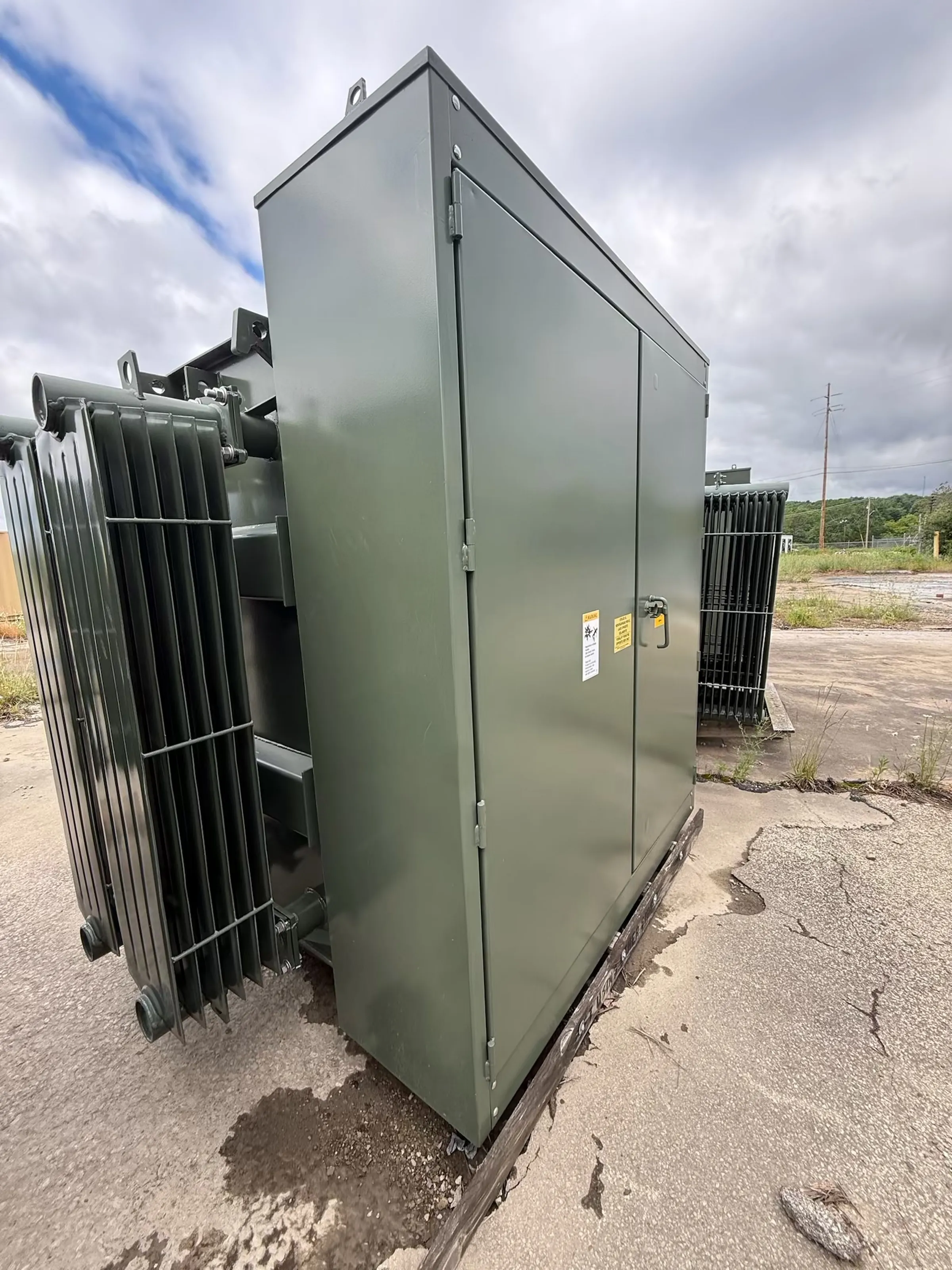
What we buy
What we buy here
The 4.16 kV class carries most of the state's overhead distribution, which is why the units are built for outdoor service. 4.16 kV units are usually fed from overhead primary, which is why so many of them are pole-mounted or pad-mounted.
| Meaning | 4,160 volts is the standard medium-voltage level for industrial distribution in older American plants. |
|---|---|
| Systems | plant distribution, mine duty and large motor circuits |
| Equipment | dry-type, cast resin and small oil-filled units |
| Buying note | 4,160-volt systems are common in Ohio plants built before 1980 and are usually fed by cast resin or VPI units. |
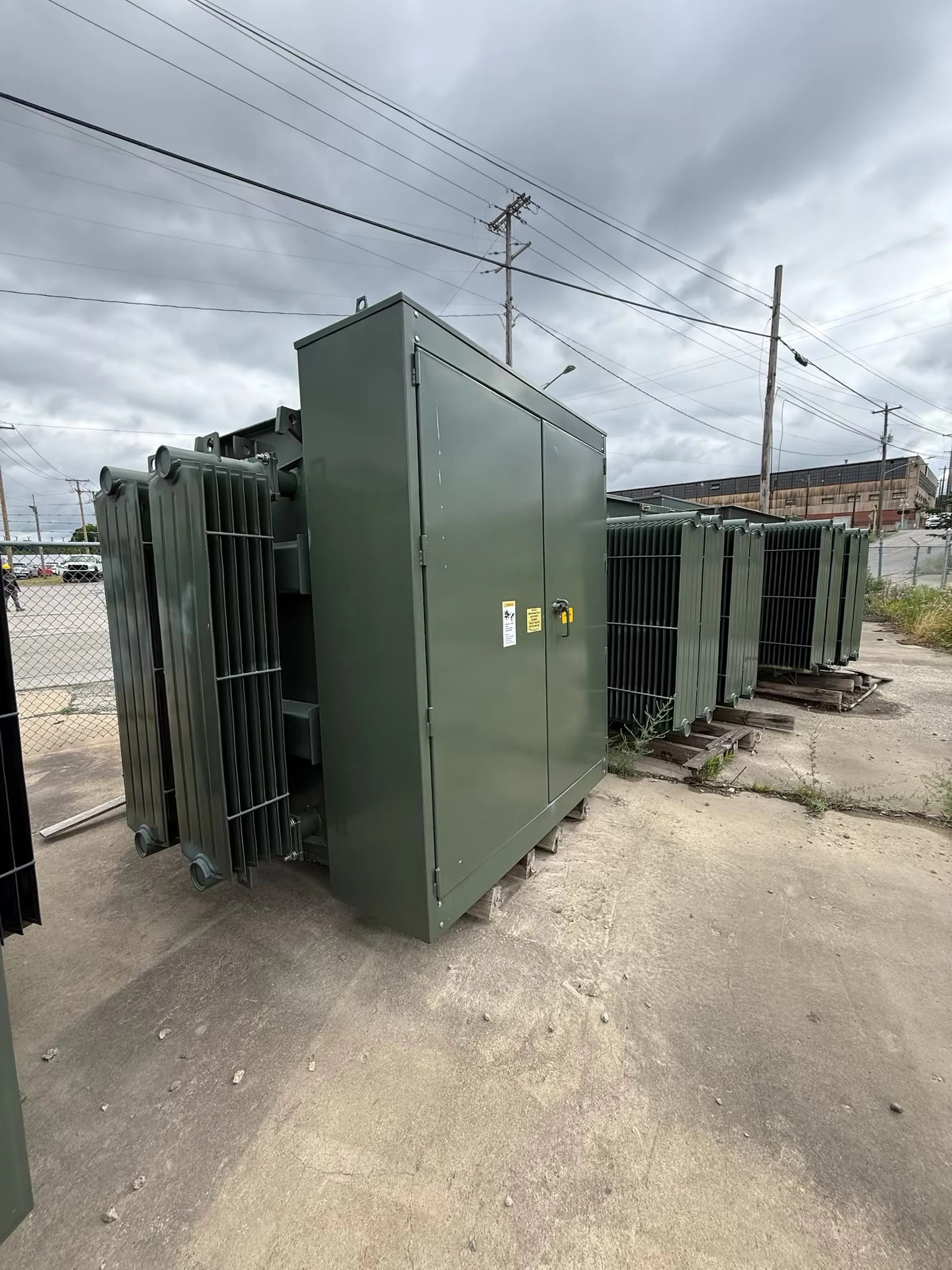
Who we buy from
Six kinds of seller, one desk
- Recyclers
- Electrical contractors
- Equipment dealers
- End users
- Demo contractors
- Distributors
Fast offers
A nameplate photo is usually enough to price a unit the same day.
Dedicated logistics
We arrange the crane, the permits and the flatbed, not you.
No broker fees
You are dealing with the buyer, so nothing is shaved off the offer.
How it works
Six steps from your yard to the money
- 01
Take pictures
The nameplate, the cabinet interior and the tank in daylight. Three photographs are usually enough to place a unit in the right class and the right price band.
- 02
Send them to us
The form on this page, a text or an email all reach the same desk. Include the city, the access and any deadline the site is working to.
- 03
Review the offer
A buyer reads the photographs, asks one or two questions and sends a written offer with the assumptions stated, so nothing changes on the day.
- 04
We schedule freight
Crane, flatbed and permits are booked around your access. You get a date and a window, and we carry the cost of getting it right.
- 05
Testing on arrival
Winding resistance, megger and turns ratio, plus oil analysis where the unit is liquid filled. The results decide the final number, and you see them.
- 06
Get paid
Payment is released on the agreed terms once the unit is received and tested, by check or ACH. No retention, no sixty-day terms.
What we handle for you
The parts sellers dread, done for you
Rigging
Crane and forklift arranged around your access, not the other way round.
Oil containment
Bunds, absorbent and disposal handled before the unit moves.
Bill of sale
A clean title document for your records, signed on collection.
PCB paperwork
Pre-1979 units get the testing and the manifest they need.
Voltage class
What 4.16 kV means on a nameplate
A unit marked 4.16 kV but built for a different nominal voltage is a unit whose tag needs reading twice. A seller with a deadline should say so early, because the schedule is built around the date rather than the unit.
A number is only as good as the description behind it, which is why the questions are short and specific. Nothing about a transformer improves by waiting, and the oil in particular gets worse rather than better.
What we see at this voltage
A unit with a crushed radiator bank has lost capacity that the tag still claims. A fan that does not run turns a forced-cooled rating into a natural-cooled one without changing the tag.
A tap changer parked at the end of its range has been fighting a voltage problem for years. A unit with no tag can be identified from its bushings, tank and dimensions, and the offer is conditional until that is done.
Handling and safety
If the unit is still in service, the utility disconnects it, because we do not pull a live transformer out of a loop. A site with a loading dock and a level apron is a morning's work, and the same unit behind a fence is a day.
Municipal weight restrictions catch more heavy moves than state permits do. A vault removal needs ventilation, a rigging plan and a street that can be closed for an afternoon.
What it is worth
A number given on the phone is an indication, and a number given in writing is an offer with assumptions attached. A mixed lot is priced unit by unit, and the junk in the corner is part of the arithmetic rather than a gift.
Common questions
Other voltage classes
Get started
Get an offer in minutes
Five fields and a phone number is all we need to start. We reply the same business day, and a firm number follows the nameplate photo.
(614) 715-3047or send the form and we will call you.
Questions
What sellers ask before they call
Equipment types
Do you buy 4.16 kV transformers in Ohio?
We send remittance the same day and we match the seller's invoicing requirements, whether that is a purchase order or a signed bill of sale. One desk, one state, one set of hauling relationships, which is why a Ohio pickup does not need a national carrier. A unit that has been disconnected for a year is not the same proposition as one that came out last week.
Service area
What is the difference between 4.16 kV and the next class up?
There is no fee to look, no commission on the number, and no deduction invented after the truck is loaded. 4.16 kV equipment is common enough that bushings and parts can still be found, which helps a rebuild decision. A seller who mentions the deadline in the first sentence gets a schedule rather than a queue.
Payment
Can a 4.16 kV unit be moved without a permit?
What you send stays with the buying desk, and we do not publish your plant, your nameplate or your deadline anywhere. A 500 kVA padmount runs a few thousand pounds wet, a substation unit can run into six figures, and that difference decides the whole plan. A partial assembly is bought on the assumption that something is missing, because it usually is.