Any condition, any size
Sell a 23 kV Transformer in Ohio
Padmount and dry-type units at this voltage bought across Ohio, in service or already on the floor.
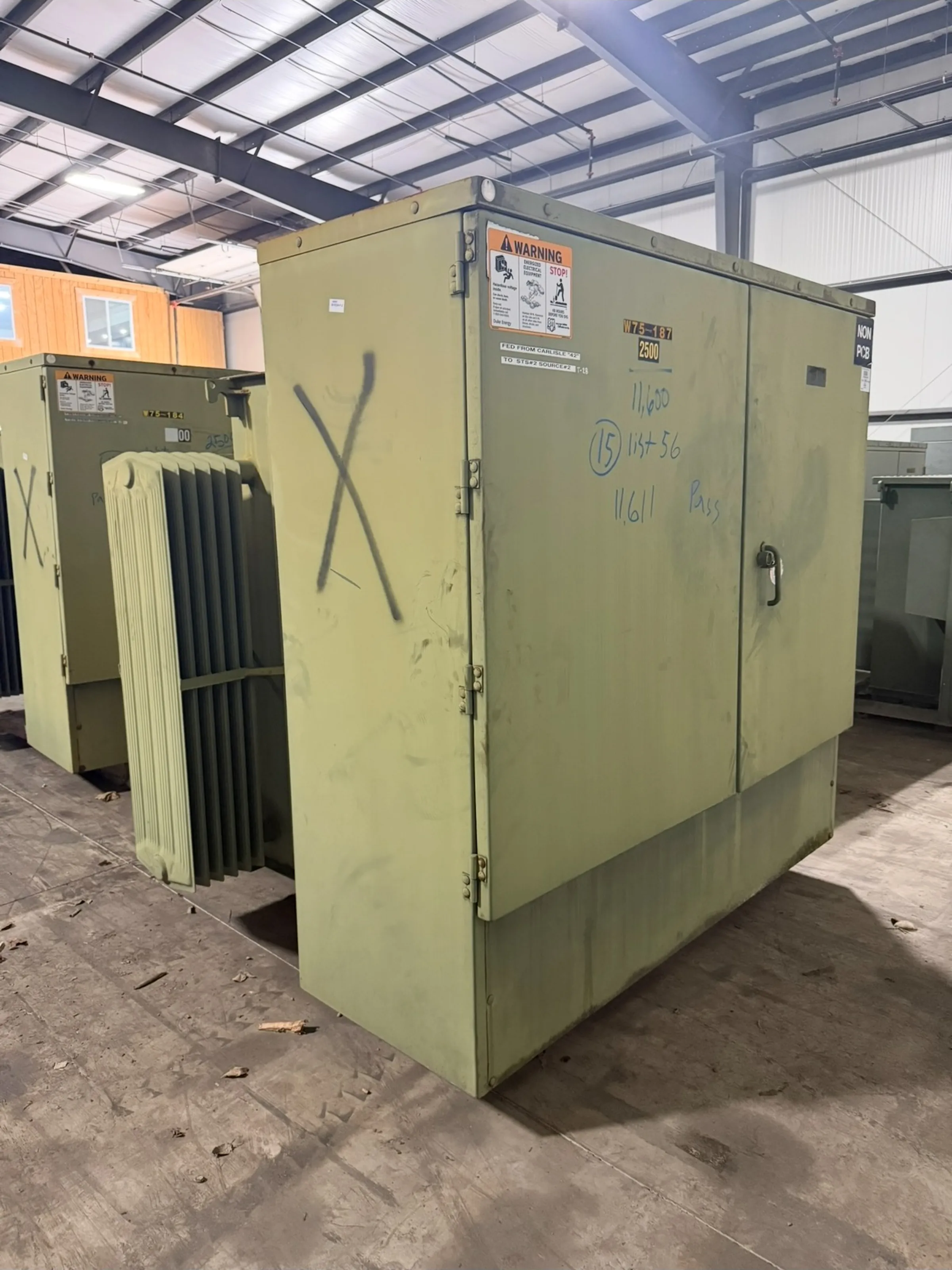
What we buy
What we buy here
The 23 kV system in Ohio is often grounded wye, which decides whether the unit has a neutral brought out. 23 kV is a distribution class voltage, and units built for it are the most common thing we buy in Ohio.
| Meaning | 23,000 volts sits between distribution and sub-transmission and is used for longer feeders and larger industrial services. |
|---|---|
| Systems | sub-transmission and large industrial feeds |
| Equipment | substation and large distribution transformers |
| Buying note | Twenty-three kV units are less common in Ohio than in neighbouring states, but they appear in older utility systems. |
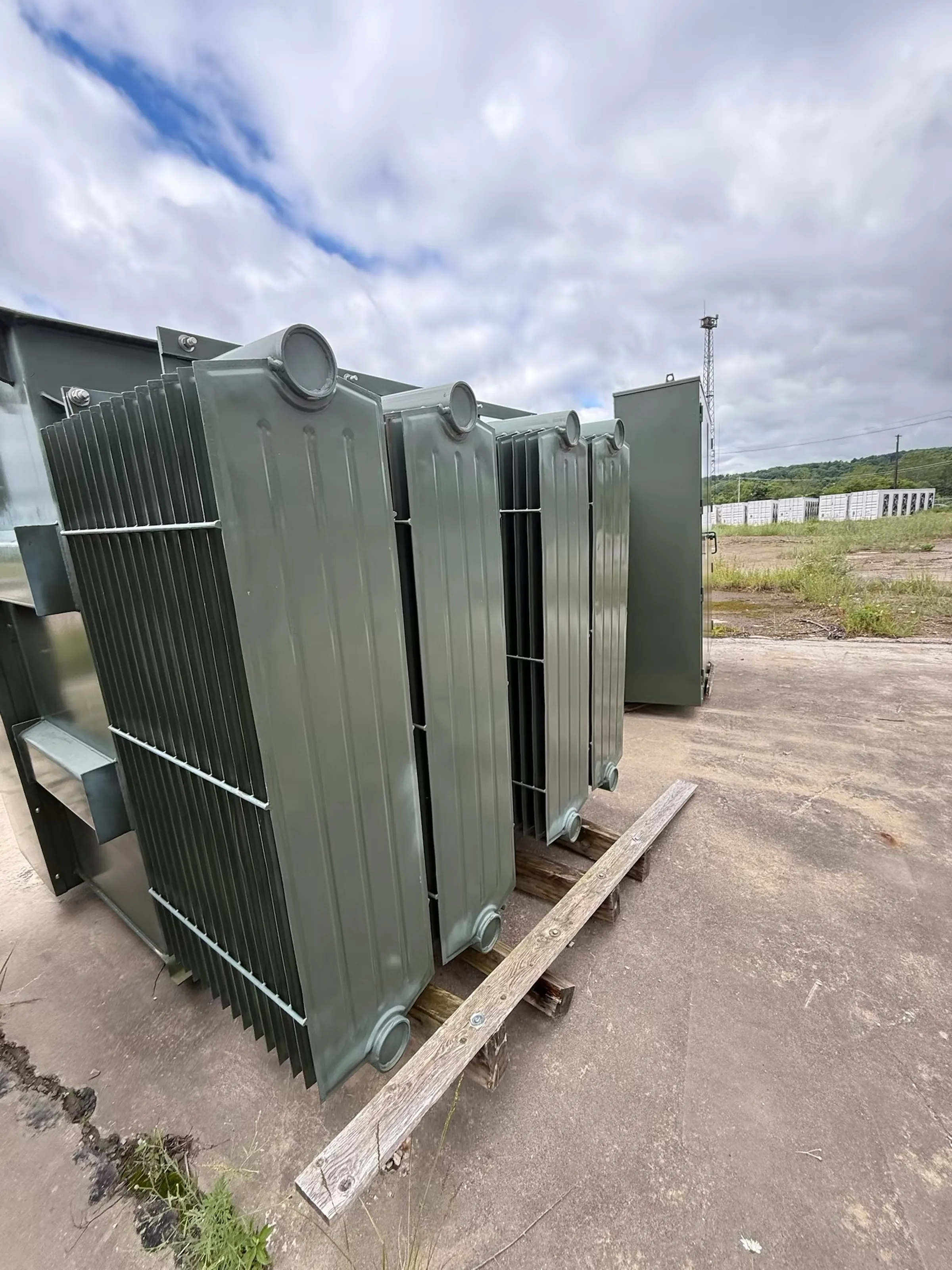
Who we buy from
Six kinds of seller, one desk
- Recyclers
- Electrical contractors
- Equipment dealers
- End users
- Demo contractors
- Distributors
Fast offers
A nameplate photo is usually enough to price a unit the same day.
Dedicated logistics
We arrange the crane, the permits and the flatbed, not you.
No broker fees
You are dealing with the buyer, so nothing is shaved off the offer.
How it works
Six steps from your yard to the money
- 01
Take pictures
The nameplate, the cabinet interior and the tank in daylight. Three photographs are usually enough to place a unit in the right class and the right price band.
- 02
Send them to us
The form on this page, a text or an email all reach the same desk. Include the city, the access and any deadline the site is working to.
- 03
Review the offer
A buyer reads the photographs, asks one or two questions and sends a written offer with the assumptions stated, so nothing changes on the day.
- 04
We schedule freight
Crane, flatbed and permits are booked around your access. You get a date and a window, and we carry the cost of getting it right.
- 05
Testing on arrival
Winding resistance, megger and turns ratio, plus oil analysis where the unit is liquid filled. The results decide the final number, and you see them.
- 06
Get paid
Payment is released on the agreed terms once the unit is received and tested, by check or ACH. No retention, no sixty-day terms.
What we handle for you
The parts sellers dread, done for you
Rigging
Crane and forklift arranged around your access, not the other way round.
Oil containment
Bunds, absorbent and disposal handled before the unit moves.
Bill of sale
A clean title document for your records, signed on collection.
PCB paperwork
Pre-1979 units get the testing and the manifest they need.
Voltage class
What 23 kV means on a nameplate
A 23 kV primary tells you the unit was built for a utility distribution system rather than for a plant bus. A purchase is a handover of risk as much as a handover of metal.
Remanufacturing keeps the footprint, and the footprint is often the reason the unit cannot simply be replaced. A decommissioning is orderly, which makes it the easiest kind of large project to buy from.
What we see at this voltage
A station service transformer is unglamorous, critical and usually much older than the station it serves. A transformer that has run at a steady percentage of nameplate usually has cleaner oil than one that cycled hard.
A bushing with a cracked porcelain skirt fails a visual inspection before it fails electrically. A replacement unit with different impedance can turn adequate switchgear into inadequate switchgear.
Handling and safety
A transformer that has been isolated for a year can still hold a charge, which is why we test before we touch. A permit names a route, and the route is chosen around bridges rather than around distance.
A site with two gates is a site with options, and options are what a rigging plan needs. A mobile substation without its protection package is a transformer on a trailer, and it is priced accordingly.
What it is worth
A clean panel moves a unit from conditional to firm, which is usually the difference between a rebuild and a scrap number. A seller comparing a scrap quote with a purchase quote is comparing two different services.
The offer reflects what the unit can be used for, not what it cost when it was new. A spill kit on site before the first bolt comes out is cheaper than the phone call that follows a missing one.
Common questions
Other voltage classes
Get started
Get an offer in minutes
Five fields and a phone number is all we need to start. We reply the same business day, and a firm number follows the nameplate photo.
(614) 715-3047or send the form and we will call you.
Questions
What sellers ask before they call
Equipment types
Do you buy 23 kV transformers in Ohio?
The paperwork is between your company and ours, and it does not travel. We do not buy in Pennsylvania, Michigan, Kentucky, Indiana or West Virginia, and we say so rather than waste a seller's week. Paint is a cosmetic question, and seam rust is a structural one, and the two are often confused.
Service area
What is the difference between 23 kV and the next class up?
Ohio only is not a limitation for us, it is why the logistics work: the crews, the cranes and the permits are all in-state. Above 23 kV the equipment becomes substation class and the handling becomes a project. A buyer's first question is about the rating and the second is about the access, in that order.
Payment
Can a 23 kV unit be moved without a permit?
We do not photograph a site for publication and we do not name a seller in anything we write. A unit with the oil drained ships lighter and leaks less, but draining adds a day and a drum. A site that has been photographed properly can be quoted without a visit, and the visit is only a confirmation.