We handle the freight
Sell a 13.8 kV Transformer in Ohio
Padmount and dry-type units at this voltage bought across Ohio, in service or already on the floor.
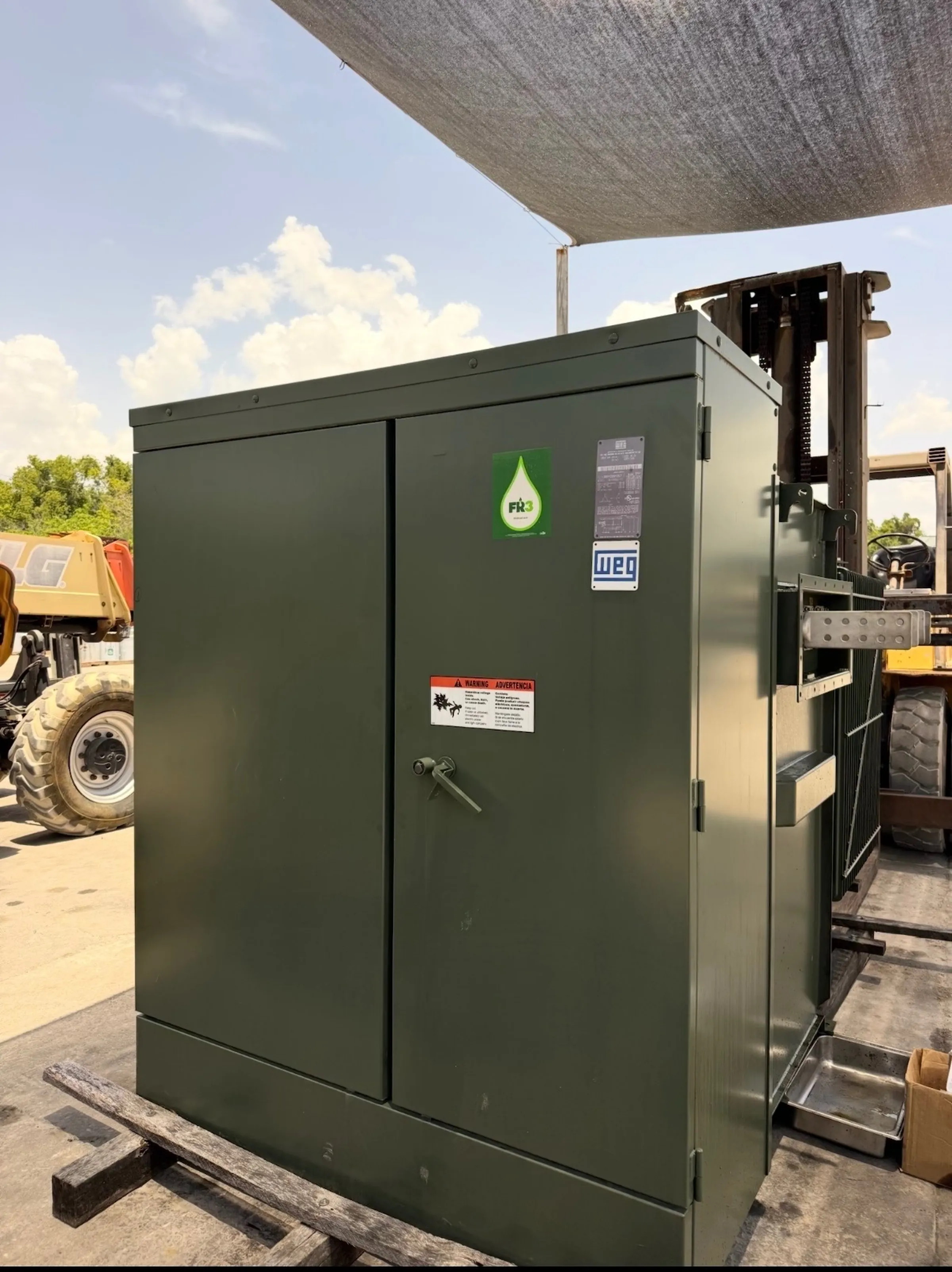
What we buy
What we buy here
The 13.8 kV class carries most of the state's overhead distribution, which is why the units are built for outdoor service. 13.8 kV units are usually fed from overhead primary, which is why so many of them are pole-mounted or pad-mounted.
| Meaning | 13,800 volts is the most common industrial primary voltage in the United States and the standard for generator and substation equipment. |
|---|---|
| Systems | plant substations, generators and large distribution |
| Equipment | substation transformers, GSUs and large dry-types |
| Buying note | Most Ohio plant substations run at 13,800, which is why the voltage appears on so many industrial nameplates. |
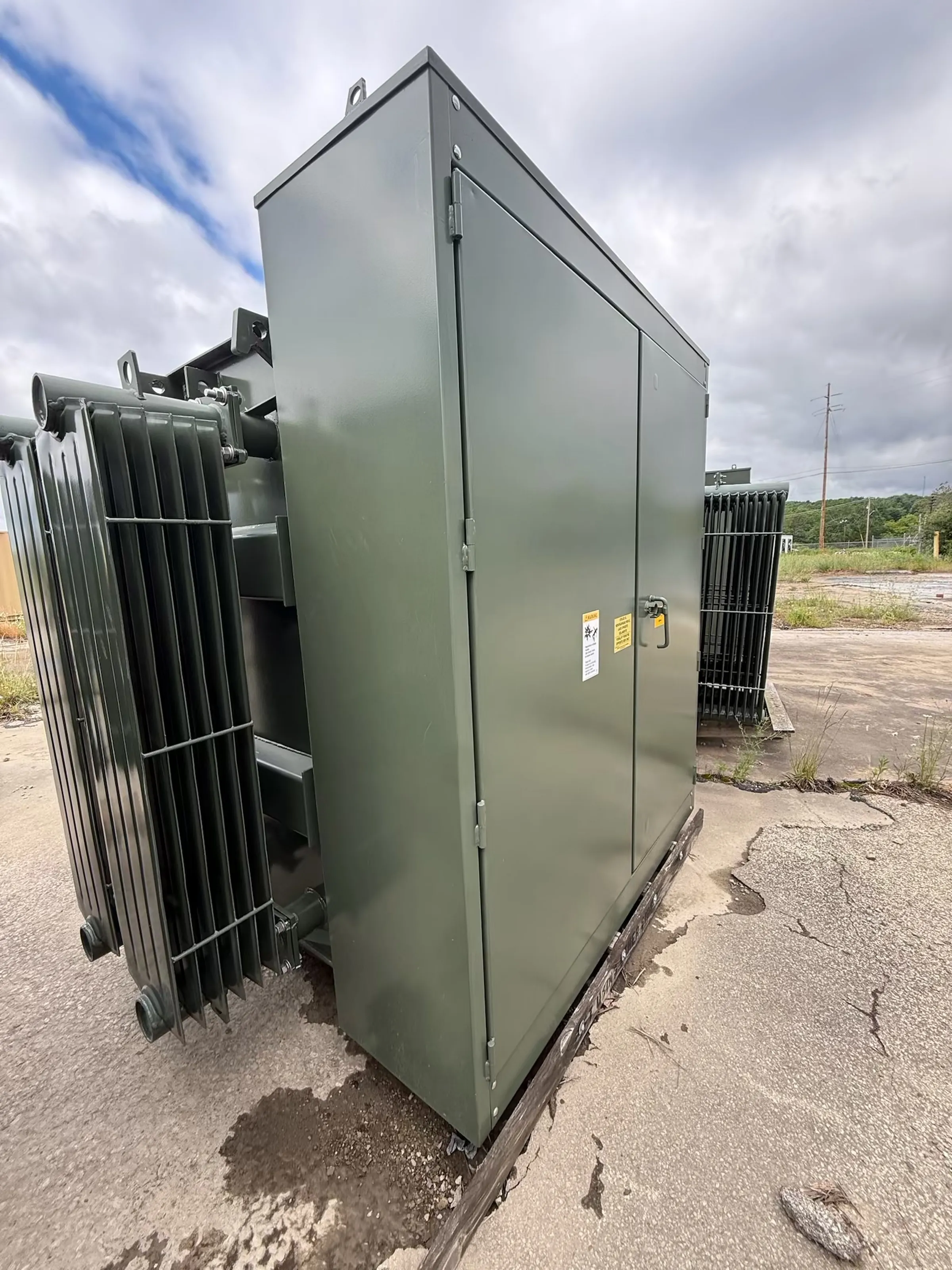
Who we buy from
Six kinds of seller, one desk
- Recyclers
- Electrical contractors
- Equipment dealers
- End users
- Demo contractors
- Distributors
Fast offers
A nameplate photo is usually enough to price a unit the same day.
Dedicated logistics
We arrange the crane, the permits and the flatbed, not you.
No broker fees
You are dealing with the buyer, so nothing is shaved off the offer.
How it works
Six steps from your yard to the money
- 01
Take pictures
The nameplate, the cabinet interior and the tank in daylight. Three photographs are usually enough to place a unit in the right class and the right price band.
- 02
Send them to us
The form on this page, a text or an email all reach the same desk. Include the city, the access and any deadline the site is working to.
- 03
Review the offer
A buyer reads the photographs, asks one or two questions and sends a written offer with the assumptions stated, so nothing changes on the day.
- 04
We schedule freight
Crane, flatbed and permits are booked around your access. You get a date and a window, and we carry the cost of getting it right.
- 05
Testing on arrival
Winding resistance, megger and turns ratio, plus oil analysis where the unit is liquid filled. The results decide the final number, and you see them.
- 06
Get paid
Payment is released on the agreed terms once the unit is received and tested, by check or ACH. No retention, no sixty-day terms.
What we handle for you
The parts sellers dread, done for you
Rigging
Crane and forklift arranged around your access, not the other way round.
Oil containment
Bunds, absorbent and disposal handled before the unit moves.
Bill of sale
A clean title document for your records, signed on collection.
PCB paperwork
Pre-1979 units get the testing and the manifest they need.
Voltage class
What 13.8 kV means on a nameplate
At 13.8 kV, the difference between a delta and a wye connection changes what the unit can feed. A seller should never feel rushed into a decision, and a buyer should never need to rush one.
A seller who knows what the unit is saves everybody an hour, and the hour is often the difference. A site that has been photographed properly can be quoted without a visit, and the visit is only a confirmation.
What we see at this voltage
A storm leaves a range that runs from cosmetic damage to a burnt core, and testing is what separates them. A unit with a welded cover cannot be inspected without cutting, which changes how it is bought.
A reactor looks like a transformer and behaves like an inductor, which confuses sellers who read the kVA. A K-rating is the shorthand a data hall needs and a machine shop does not.
Handling and safety
A transformer that has been isolated for a year can still hold a charge, which is why we test before we touch. A lift that starts level ends level, and a lift that starts crooked rarely does.
A lowboy is the right trailer for a heavy unit with a low centre of gravity and a long approach. Ground that has been wet for a week will not hold an outrigger, whatever it looks like from the cab.
What it is worth
Value follows the rating before it follows the condition, because an unusable size is worth its metal and nothing more. A seller with photographs gets a firm number, and a seller with a description gets a range.
A buyer prices the whole unit, including the parts that will be scrapped, and the offer reflects the mix. The gap between scrap value and resale value is the whole reason a buying desk exists.
Common questions
Other voltage classes
Get started
Get an offer in minutes
Five fields and a phone number is all we need to start. We reply the same business day, and a firm number follows the nameplate photo.
(614) 715-3047or send the form and we will call you.
Questions
What sellers ask before they call
Equipment types
Do you buy 13.8 kV transformers in Ohio?
Some units we pass on, and we say why: a burnt core, a missing coil or a contaminated oil sample changes the answer. We do not buy in Pennsylvania, Michigan, Kentucky, Indiana or West Virginia, and we say so rather than waste a seller's week. A unit that has been looked after is obvious within a minute, and so is one that has not.
Service area
What is the difference between 13.8 kV and the next class up?
There is no fee to look, no commission on the number, and no deduction invented after the truck is loaded. 13.8 kV equipment is common enough that bushings and parts can still be found, which helps a rebuild decision. A transformer that is still connected belongs to the plant's electrician until it is isolated, and that is the first call.
Payment
Can a 13.8 kV unit be moved without a permit?
We turn down units that cannot be moved safely, and we say so before anybody spends money on a crane. An annual permit covers repetitive moves, and a plant clearing a yard of units can be worked that way. The unit is the easy part; the site, the access and the paperwork are where the time goes.