Any condition, any size
Sell a 167 kVA Transformer in Ohio
Padmount and dry-type units at this rating bought across Ohio, from pole cans to padmounts, with the freight arranged.
What we buy
What we buy here
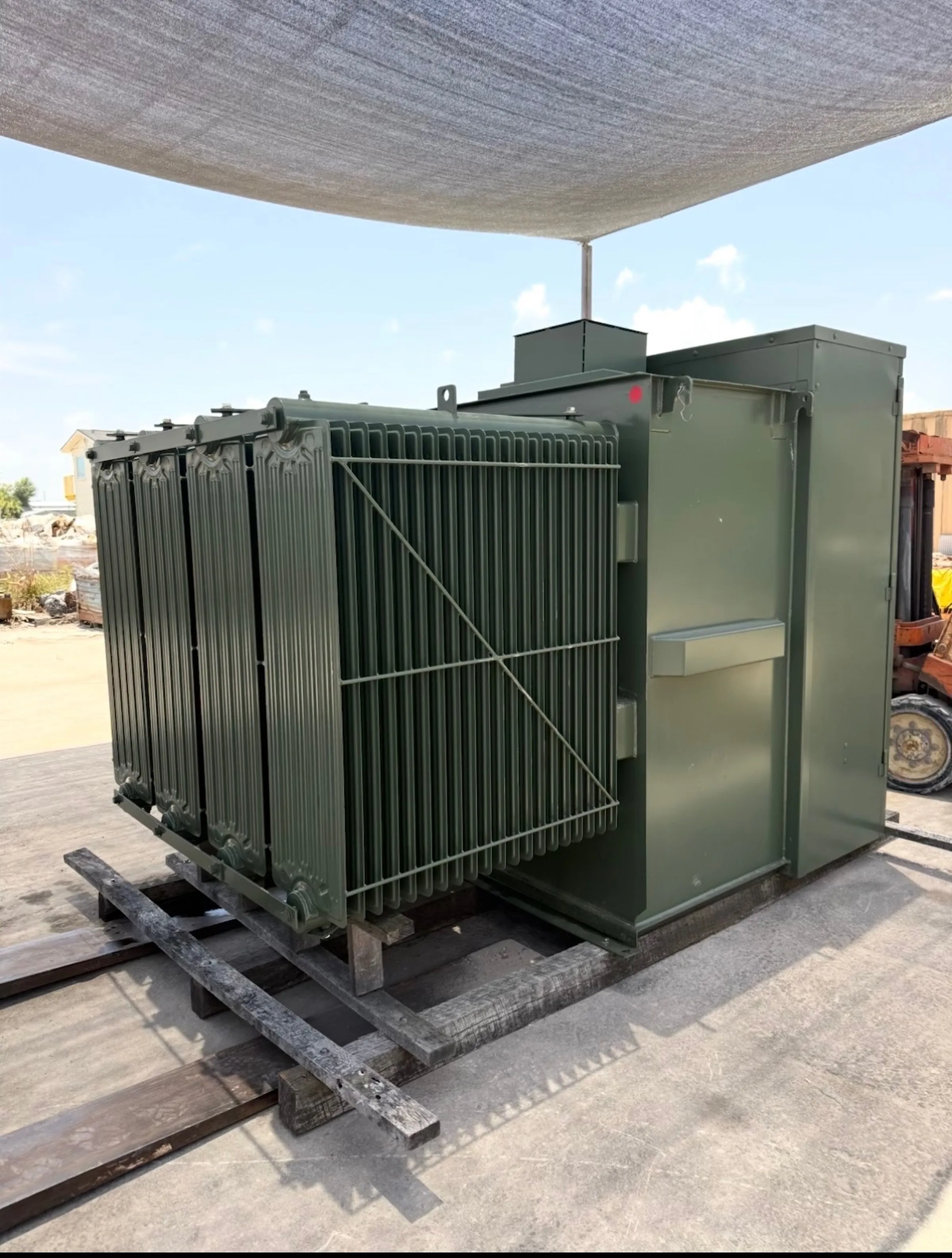
The step from 167 kVA to the next size up changes the trailer more than it changes the paperwork. Weight is the first logistics question, and the figure on the tag is not the figure the crane needs, because oil, bushings and skid weight all add up.
| Wet weight | about 1,400 pounds |
|---|---|
| Typical use | a commercial service or a small process load |
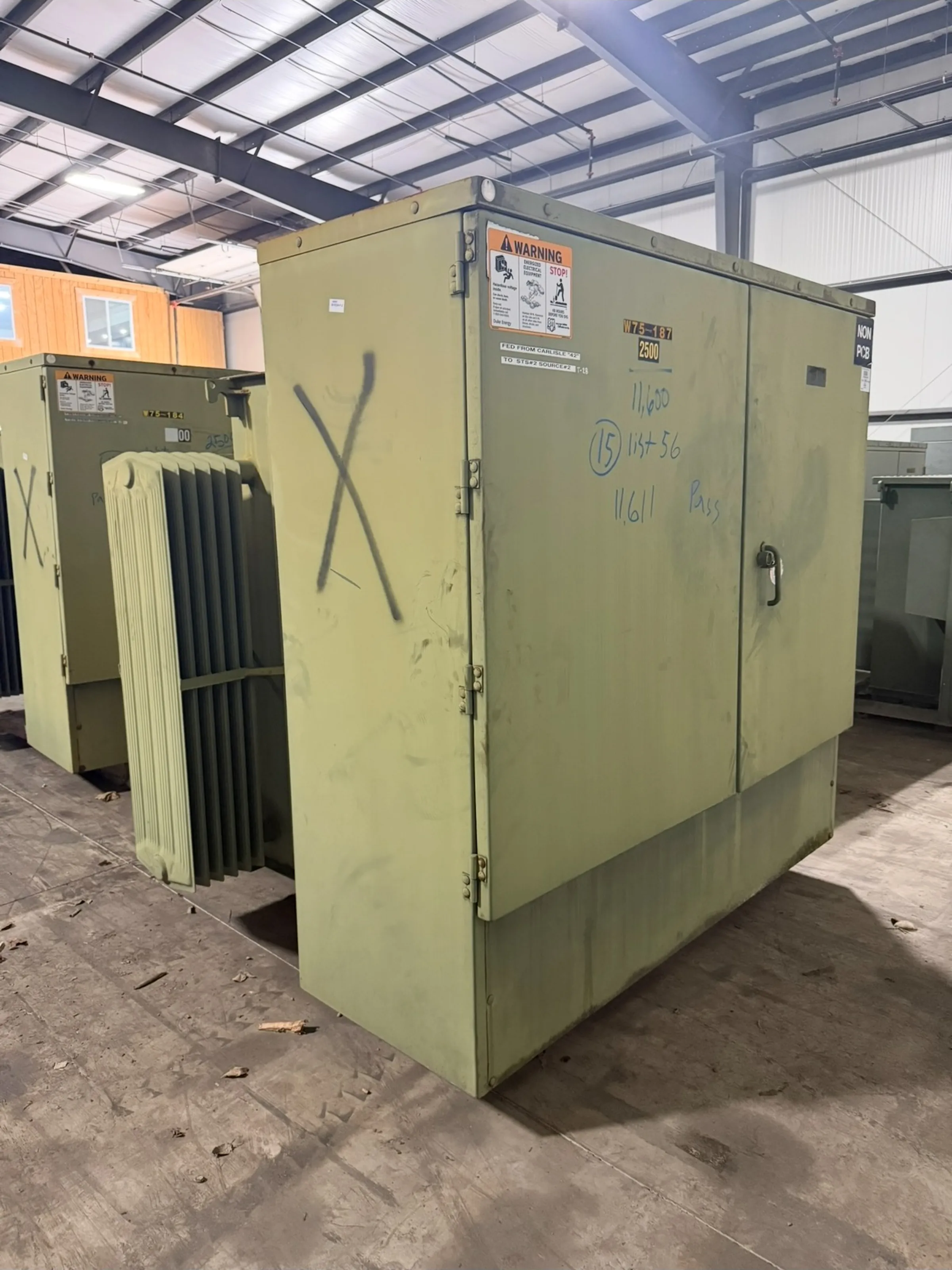
| Common form | three-phase padmount |
| Why sellers call | One hundred sixty-seven kVA is a utility-favoured size, and those units usually have the best documentation. |
Who we buy from
Six kinds of seller, one desk
- Recyclers
- Electrical contractors
- Equipment dealers
- End users
- Demo contractors
- Distributors
Fast offers
A nameplate photo is usually enough to price a unit the same day.
Dedicated logistics
We arrange the crane, the permits and the flatbed, not you.
No broker fees
You are dealing with the buyer, so nothing is shaved off the offer.
How it works
Six steps from your yard to the money
- 01
Take pictures
The nameplate, the cabinet interior and the tank in daylight. Three photographs are usually enough to place a unit in the right class and the right price band.
- 02
Send them to us
The form on this page, a text or an email all reach the same desk. Include the city, the access and any deadline the site is working to.
- 03
Review the offer
A buyer reads the photographs, asks one or two questions and sends a written offer with the assumptions stated, so nothing changes on the day.
- 04
We schedule freight
Crane, flatbed and permits are booked around your access. You get a date and a window, and we carry the cost of getting it right.
- 05
Testing on arrival
Winding resistance, megger and turns ratio, plus oil analysis where the unit is liquid filled. The results decide the final number, and you see them.
- 06
Get paid
Payment is released on the agreed terms once the unit is received and tested, by check or ACH. No retention, no sixty-day terms.
What we handle for you
The parts sellers dread, done for you
Rigging
Crane and forklift arranged around your access, not the other way round.
Oil containment
Bunds, absorbent and disposal handled before the unit moves.
Bill of sale
A clean title document for your records, signed on collection.
PCB paperwork
Pre-1979 units get the testing and the manifest they need.
Rating
What a 167 kVA transformer is used for
The load behind a 167 kVA unit is small enough that another buyer can find a use for it, which keeps the value up. A traction transformer and its rectifier are a matched pair, and a unit without its partner has a smaller market.
A photograph taken in daylight beats one taken with a flash, because glare destroys the stamped characters. A replacement unit with different impedance can turn adequate switchgear into inadequate switchgear.
Size, weight and handling
A seller should never arrange a permit for a move they are not making, because the buyer owns the route. A permit names a route, and the route is chosen around bridges rather than around distance.
A gate that is four inches too narrow turns a morning into a week. Dry-types in basements are a rigging problem before they are an electrical one, and the door is the constraint.
What we check on a 167 kVA unit
Dents in a radiator bank matter more than dents in a door, because a crushed fin is a cooling problem that only shows up under load. A unit that smells of solvent has probably been cleaned rather than maintained.
A sample taken from the bottom drain after the unit has stood is worth more than one taken in a hurry. A clean test sheet travels with the unit and makes every later conversation shorter.
What it is worth
An expansion is the best kind of sale, because the unit was working when it was disconnected. A price that includes removal is a different number from one that does not, and the difference is the crane.
A unit bought for a project that never happened is the cleanest thing in the used market. A failed unit with a clean tank is a rebuild candidate, and a rebuild candidate is not scrap.
Common questions
Other ratings we buy
Get started
Get an offer in minutes
Five fields and a phone number is all we need to start. We reply the same business day, and a firm number follows the nameplate photo.
(614) 715-3047or send the form and we will call you.
Questions
What sellers ask before they call
Equipment types
How much does a 167 kVA transformer weigh?
We do not photograph a site for publication and we do not name a seller in anything we write. A 500 kVA padmount runs a few thousand pounds wet, a substation unit can run into six figures, and that difference decides the whole plan. A unit in a building that is coming down is a different problem from a unit in a plant that is staying.
Service area
Do you buy a single 167 kVA unit?
Sellers inside a closure or a bankruptcy need discretion as much as speed, and both are available here. Most units leave within a week of the number being agreed, and a unit that has to clear a site by Friday can usually be gone by Friday. A transformer that is still connected belongs to the plant's electrician until it is isolated, and that is the first call.
Payment
What if the 167 kVA unit has failed?
You will not be handed to a call centre. The person who answers the phone is the person who decides whether we buy. We tell a seller when a three-phase padmount is a teardown, because pretending otherwise wastes everybody's week. A buyer who quotes without asking anything has quoted for a different transformer.