We handle the freight
Sell a Jefferson Transformer in Ohio
Padmount and dry-type units from this builder bought across Ohio, with the tag read and the serial checked first.
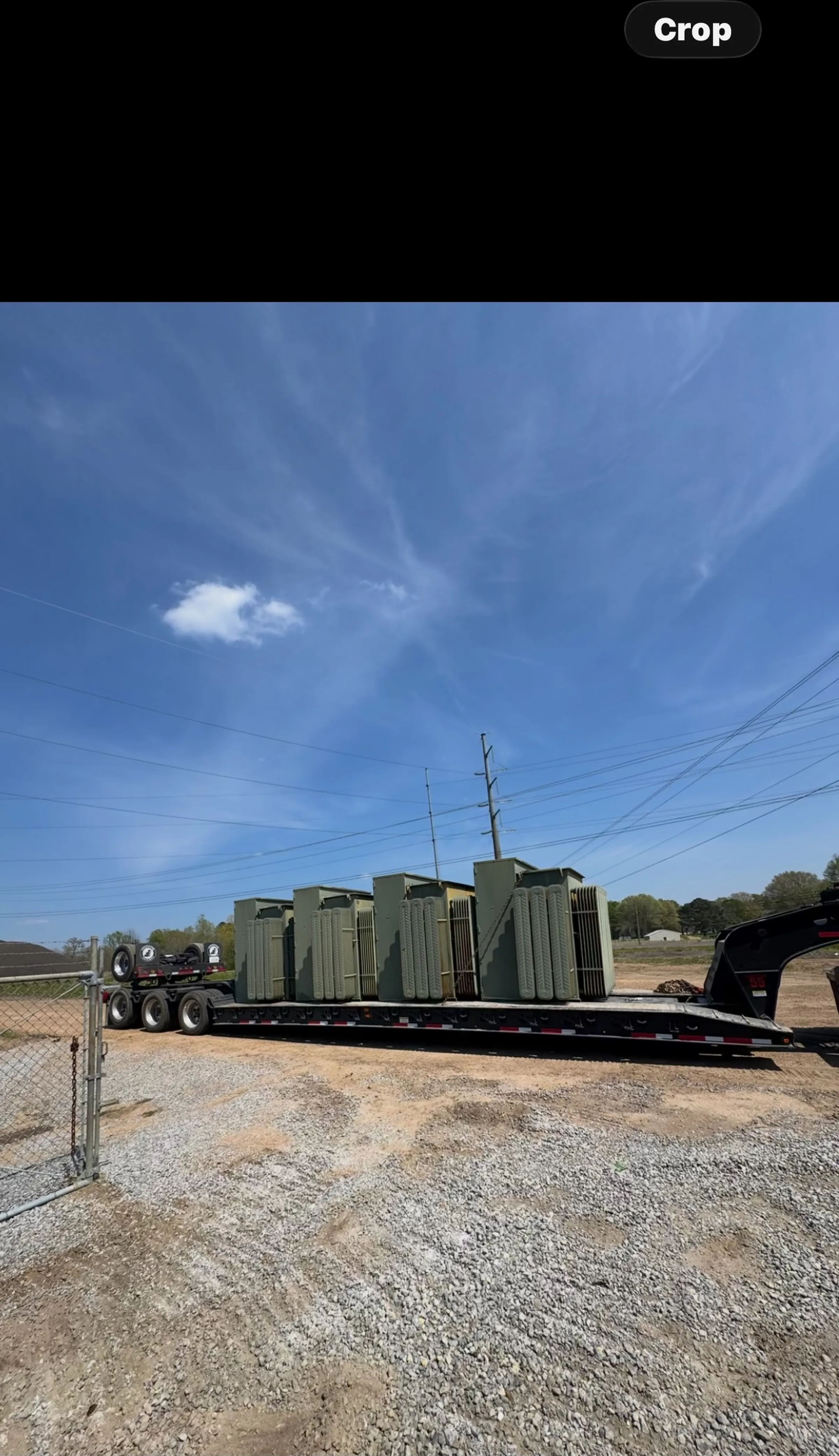
What we buy
What we buy here
Jefferson dry-type units turn up in hospitals and schools, usually in a mechanical room with a door that was not built for them. We turn down units that cannot be moved safely, and we say so before anybody spends money on a crane.
| Common vintages | the 1970s through the 1990s |
|---|---|
| What they built | Jefferson built general-purpose, buck-boost and control transformers, mostly in the smaller ratings. |
| Where we see them | Ohio plants, utilities and yards |
| Buying note | Jefferson units are the ones most often left behind in a plant clearance, and they are worth collecting as a lot. |
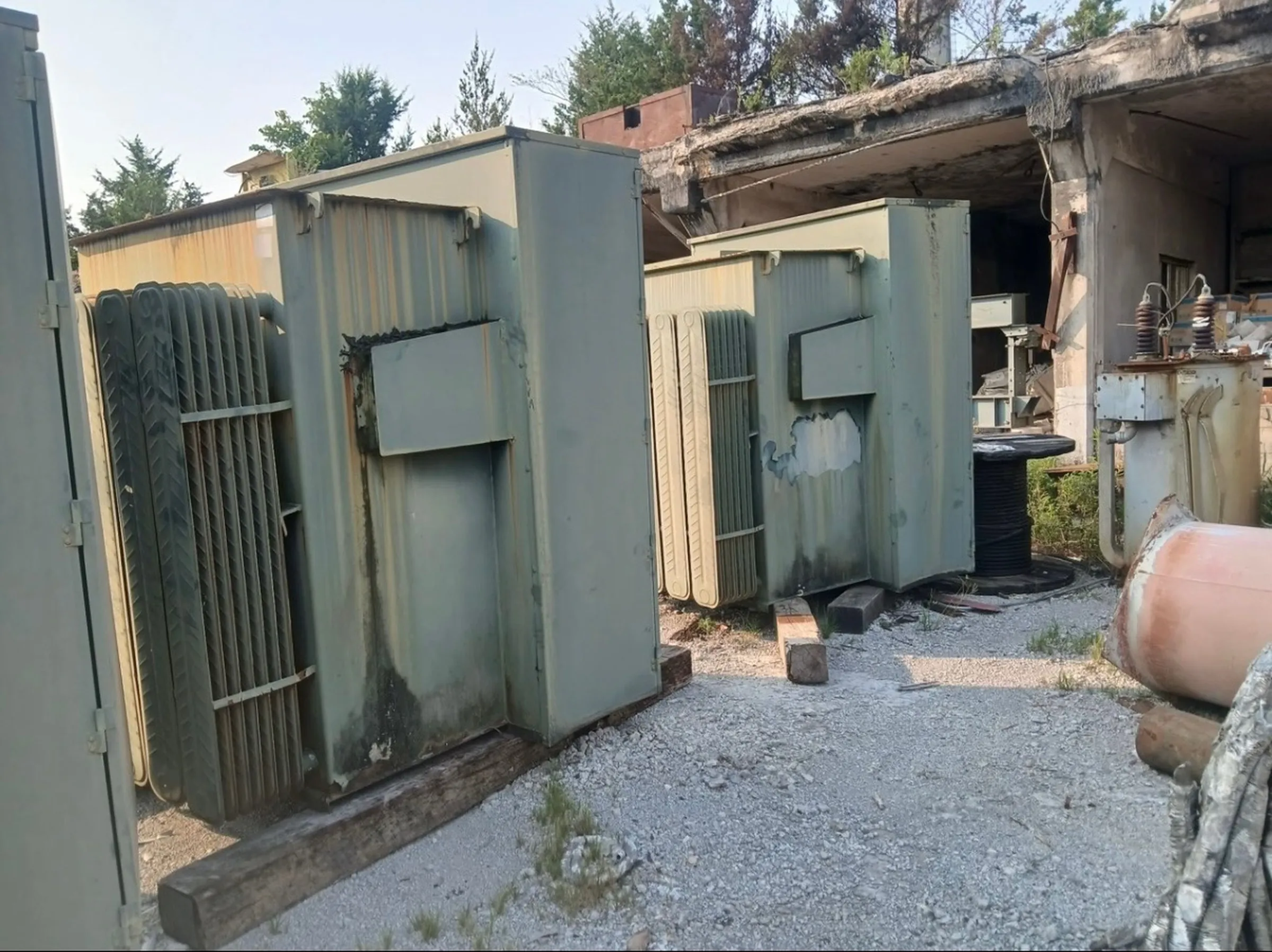
Who we buy from
Six kinds of seller, one desk
- Recyclers
- Electrical contractors
- Equipment dealers
- End users
- Demo contractors
- Distributors
Fast offers
A nameplate photo is usually enough to price a unit the same day.
Dedicated logistics
We arrange the crane, the permits and the flatbed, not you.
No broker fees
You are dealing with the buyer, so nothing is shaved off the offer.
How it works
Six steps from your yard to the money
- 01
Take pictures
The nameplate, the cabinet interior and the tank in daylight. Three photographs are usually enough to place a unit in the right class and the right price band.
- 02
Send them to us
The form on this page, a text or an email all reach the same desk. Include the city, the access and any deadline the site is working to.
- 03
Review the offer
A buyer reads the photographs, asks one or two questions and sends a written offer with the assumptions stated, so nothing changes on the day.
- 04
We schedule freight
Crane, flatbed and permits are booked around your access. You get a date and a window, and we carry the cost of getting it right.
- 05
Testing on arrival
Winding resistance, megger and turns ratio, plus oil analysis where the unit is liquid filled. The results decide the final number, and you see them.
- 06
Get paid
Payment is released on the agreed terms once the unit is received and tested, by check or ACH. No retention, no sixty-day terms.
What we handle for you
The parts sellers dread, done for you
Rigging
Crane and forklift arranged around your access, not the other way round.
Oil containment
Bunds, absorbent and disposal handled before the unit moves.
Bill of sale
A clean title document for your records, signed on collection.
PCB paperwork
Pre-1979 units get the testing and the manifest they need.
Brand
Jefferson transformers in Ohio
Jefferson equipment from the the 1970s through the 1990s is common in plants that were built or expanded in that period. A short conversation at the start saves an argument at the gate, and the argument is the expensive part.
A municipal utility keeps records that an investor-owned utility rarely matches, which helps at resale. A seller with four units on one site gets a better number per unit than a seller with one.
What we look for on a Jefferson unit
A seller should ask what happens to the unit after it leaves, because the answer says what kind of buyer they are dealing with. The unit will outlast the building it serves, which is why so many of them change hands.
Remanufacturing keeps the footprint, and the footprint is often the reason the unit cannot simply be replaced. A substation-class unit sits between what a plant can maintain and what a utility would own, which is why it changes hands.
Where the value sits
Where a Jefferson unit has a known failure mode we say so before quoting, because it changes what the unit is worth. A unit that has never been rewound carries a premium that is easy to explain and hard to argue with.
A spill kit on site before the first bolt comes out is cheaper than the phone call that follows a missing one. A number that survives the site visit is worth more than one that was generous on the phone.
Paperwork, insurance and the crew
A bill of sale fixes the moment risk transfers, and that moment should be when the unit leaves the pad. A leased unit is sold by the lessor, and the tenant cannot sell what the tenant does not own.
Common questions
Other brands we buy
Get started
Get an offer in minutes
Five fields and a phone number is all we need to start. We reply the same business day, and a firm number follows the nameplate photo.
(614) 715-3047or send the form and we will call you.
Questions
What sellers ask before they call
Equipment types
Do you buy older Jefferson transformers?
Coverage means all eighty-eight counties, and the cities inside them are worked the same way as the farms between them. The common Jefferson padmounts are the ones that show up in subdivisions and industrial parks, and they are the easiest to move. A unit that has been looked after is obvious within a minute, and so is one that has not.
Service area
What if the Jefferson nameplate is missing?
Nobody asks you to front the crane, the permits or the haul, and nobody nets those out of the offer afterwards. If the tag is missing, the bushings, the tank size, the radiator count and the gauge set will get a buyer to a working size. A transformer that is still connected belongs to the plant's electrician until it is isolated, and that is the first call.
Payment
Can you pick up a Jefferson unit this week?
What you send stays with the buying desk, and we do not publish your plant, your nameplate or your deadline anywhere. A mixed lot takes longer than a single unit because every tag has to be read, but it still moves in days rather than months. Most of what a buyer needs to know is stamped on a plate the size of a postcard.