No fees, no broker
Sell a Howard Industries Transformer in Ohio
Padmount and dry-type units from this builder bought across Ohio, with the tag read and the serial checked first.
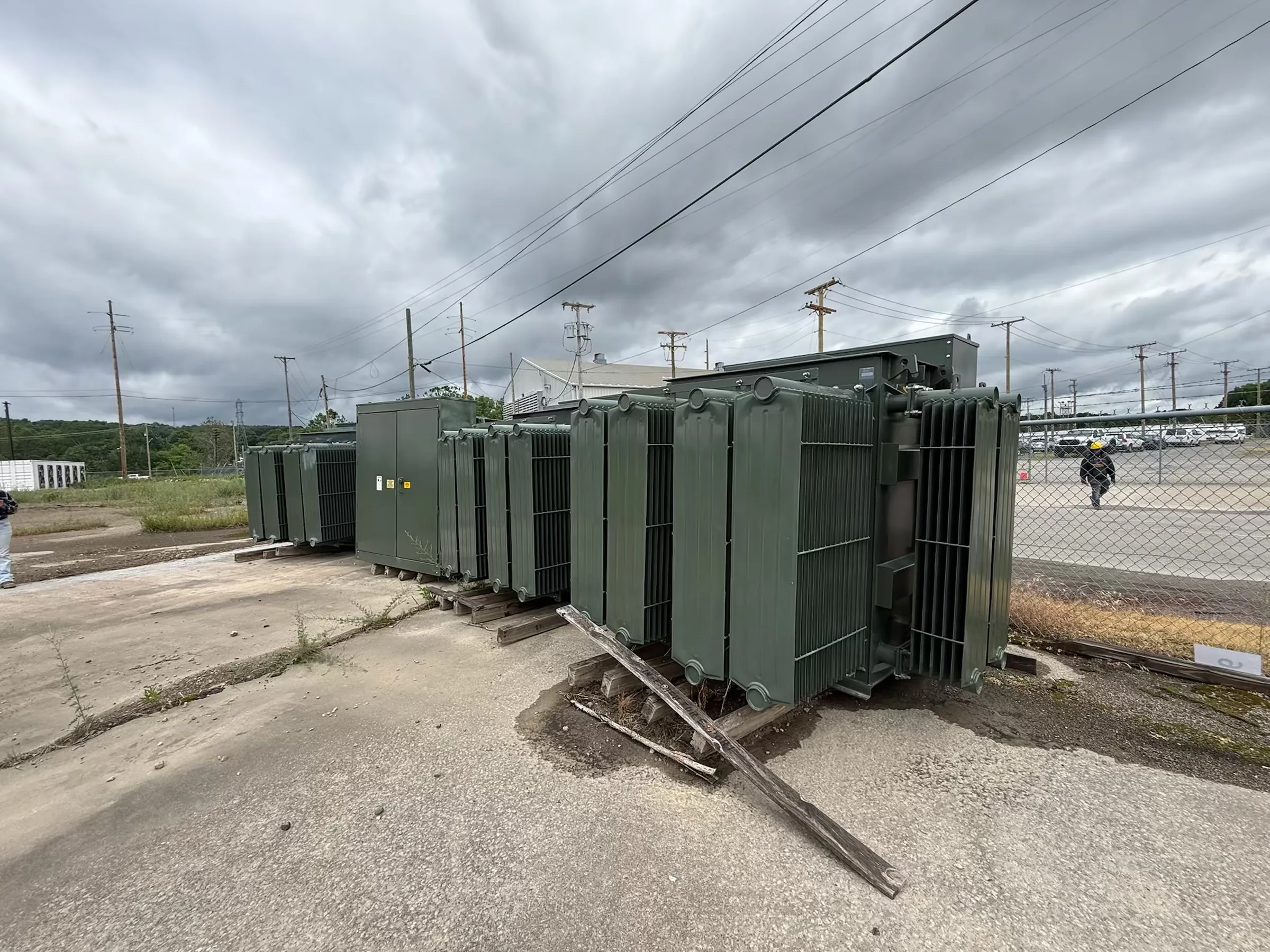
What we buy
What we buy here
Howard Industries serial numbers date a unit precisely, which is useful when the nameplate has been painted over. When the answer is no, it is usually about the core, the oil or the access, and we name which one.
| Common vintages | the 1990s and 2000s |
|---|---|
| What they built | Howard built padmounts, pole types and three-phase distribution transformers in the 25 to 500 kVA range. |
| Where we see them | Ohio plants, utilities and yards |
| Buying note | Howard units are common in utility stock and usually well maintained, which makes them a reliable purchase. |
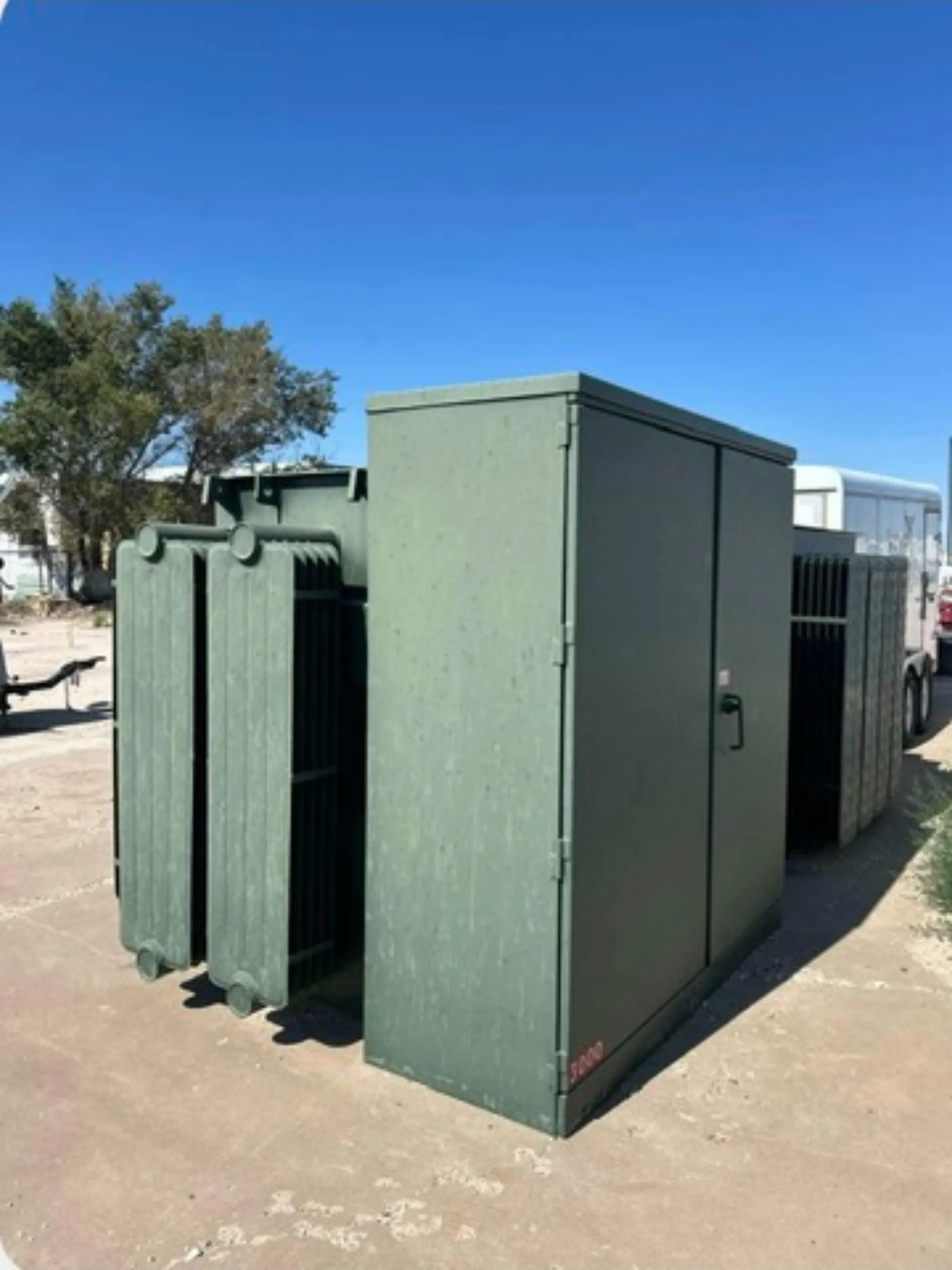
Who we buy from
Six kinds of seller, one desk
- Recyclers
- Electrical contractors
- Equipment dealers
- End users
- Demo contractors
- Distributors
Fast offers
A nameplate photo is usually enough to price a unit the same day.
Dedicated logistics
We arrange the crane, the permits and the flatbed, not you.
No broker fees
You are dealing with the buyer, so nothing is shaved off the offer.
How it works
Six steps from your yard to the money
- 01
Take pictures
The nameplate, the cabinet interior and the tank in daylight. Three photographs are usually enough to place a unit in the right class and the right price band.
- 02
Send them to us
The form on this page, a text or an email all reach the same desk. Include the city, the access and any deadline the site is working to.
- 03
Review the offer
A buyer reads the photographs, asks one or two questions and sends a written offer with the assumptions stated, so nothing changes on the day.
- 04
We schedule freight
Crane, flatbed and permits are booked around your access. You get a date and a window, and we carry the cost of getting it right.
- 05
Testing on arrival
Winding resistance, megger and turns ratio, plus oil analysis where the unit is liquid filled. The results decide the final number, and you see them.
- 06
Get paid
Payment is released on the agreed terms once the unit is received and tested, by check or ACH. No retention, no sixty-day terms.
What we handle for you
The parts sellers dread, done for you
Rigging
Crane and forklift arranged around your access, not the other way round.
Oil containment
Bunds, absorbent and disposal handled before the unit moves.
Bill of sale
A clean title document for your records, signed on collection.
PCB paperwork
Pre-1979 units get the testing and the manifest they need.
Brand
Howard Industries transformers in Ohio
Howard Industries equipment from the the 1990s and 2000s is common in plants that were built or expanded in that period. A buyer who turns up with a torch and a tape measure is not there to argue about the paint.
A buyer's first question is about the rating and the second is about the access, in that order. A unit that came out of a working plant is almost always the better buy, and sellers rarely realise it.
What we look for on a Howard Industries unit
The question that decides most purchases is not what the unit is but where it has to go next. An insurance salvage is bought on the adjuster's valuation rather than the seller's hope, which keeps the process honest.
A short drive within one county costs less than a long drive across three, and the number shows it. The unit will outlast the building it serves, which is why so many of them change hands.
Where the value sits
Howard Industries pole-top units are small, light and usually the simplest thing on a utility surplus list. An expansion is the best kind of sale, because the unit was working when it was disconnected.
A failed unit sold as a rebuild candidate is worth more than the same unit sold as scrap, and the difference is the core. A unit with new bushings has usually had money spent on it, and that spending is visible.
Paperwork, insurance and the crew
A signature from somebody without authority is the most common problem in a salvage file. A bill of sale that names the serial is worth ten that describe a transformer in general terms.
Common questions
Other brands we buy
Get started
Get an offer in minutes
Five fields and a phone number is all we need to start. We reply the same business day, and a firm number follows the nameplate photo.
(614) 715-3047or send the form and we will call you.
Questions
What sellers ask before they call
Equipment types
Do you buy older Howard Industries transformers?
The last thing we need is a contact on site who can open a gate, and that is often the hardest thing to arrange. Howard Industries dry-type units turn up in hospitals and schools, usually in a mechanical room with a door that was not built for them. A quick decision is a kindness when the unit is standing in the way of a project.
Service area
What if the Howard Industries nameplate is missing?
The figure we agree is the figure that lands, because rigging and freight are ours to carry, not yours to absorb. The nameplate carries the kVA, the primary and secondary voltages, the impedance, the temperature rise, the cooling class and the weight, and every one of them moves the number. A site manager who has already cleared the pad has done most of the work that matters.
Payment
Can you pick up a Howard Industries unit this week?
A receiver, a trustee or a plant manager can send a list without it becoming public information. Nothing sits in our queue for a week waiting for approval, because the buyer who quotes you also books the crew. The second data plate on a rebuilt unit matters more than the first, and it is easy to photograph by mistake.