Any condition, any size
Sell a Central Moloney Transformer in Ohio
Padmount and dry-type units from this builder bought across Ohio, with the tag read and the serial checked first.
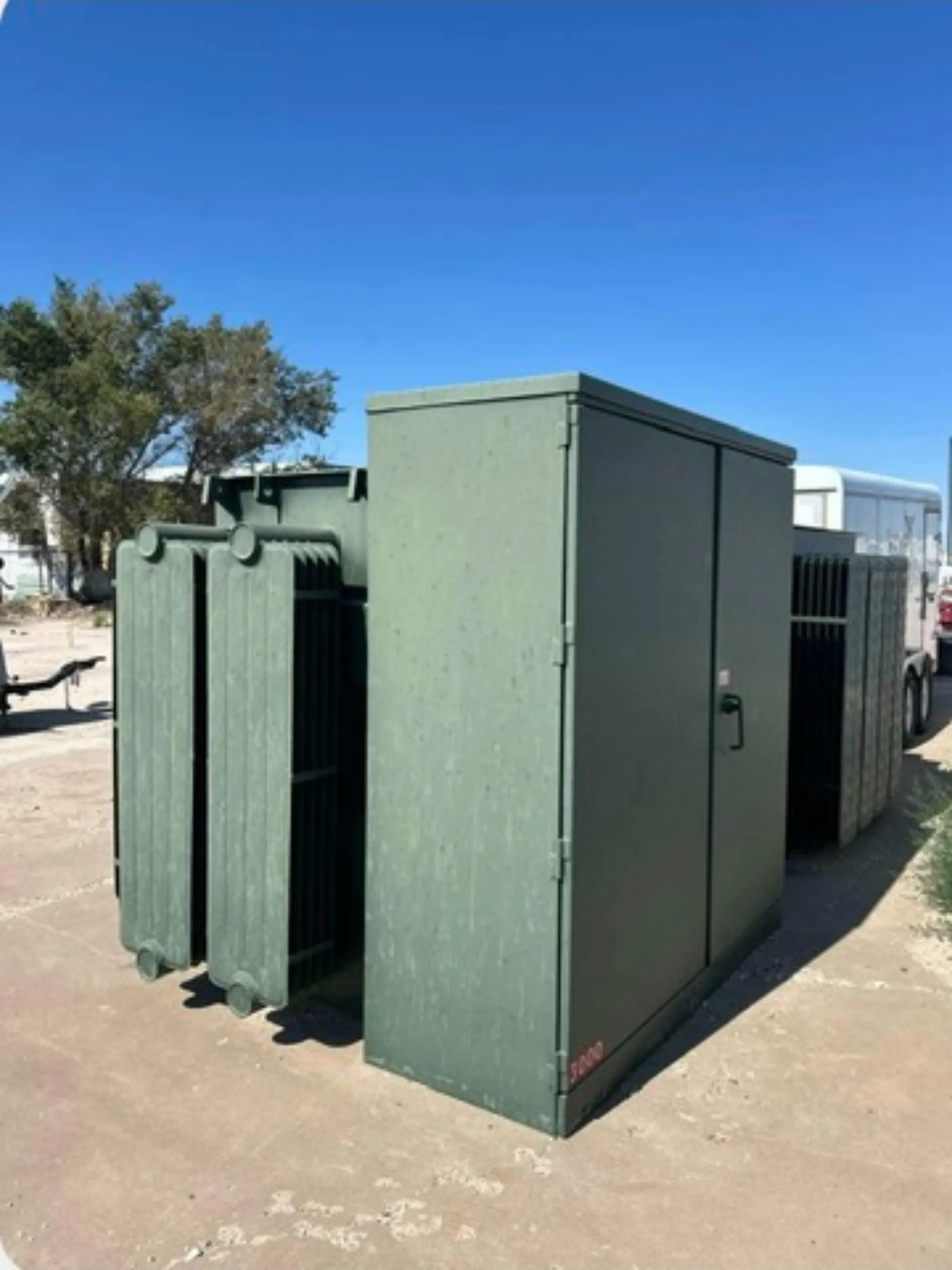
What we buy
What we buy here
Older Central Moloney substation units often carry a load tap changer, and the tap changer is the part that decides their future. There is no pressure to accept on the call; the number holds for a set period and you can test it against another buyer.
| Common vintages | the 1980s through the 2000s |
|---|---|
| What they built | Central Moloney built pole-mounted and pad-mounted distribution transformers, mostly in smaller ratings. |
| Where we see them | Ohio plants, utilities and yards |
| Buying note | Central Moloney pole units are light, cheap to move and often the easiest sale on a utility surplus list. |
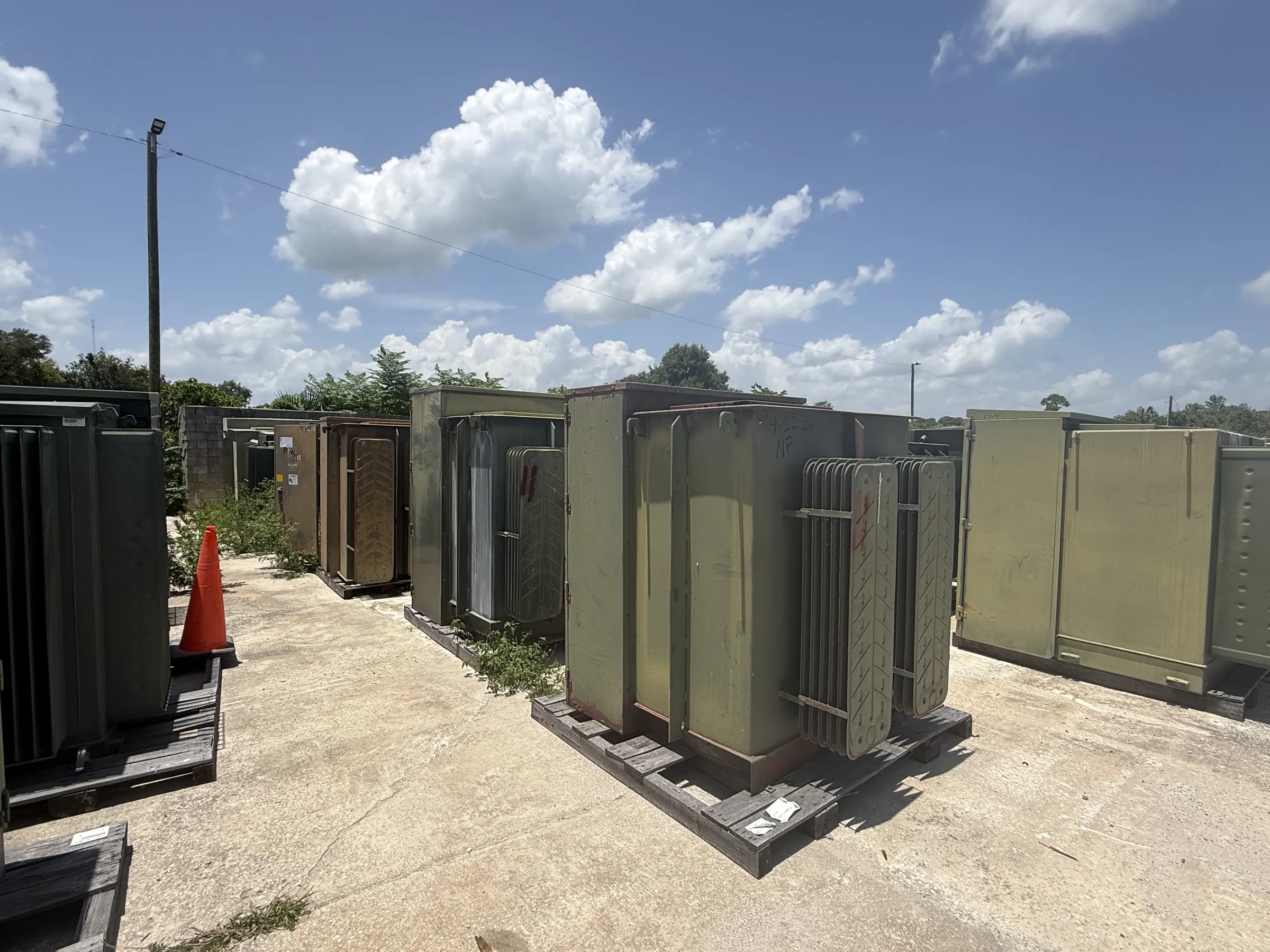
Who we buy from
Six kinds of seller, one desk
- Recyclers
- Electrical contractors
- Equipment dealers
- End users
- Demo contractors
- Distributors
Fast offers
A nameplate photo is usually enough to price a unit the same day.
Dedicated logistics
We arrange the crane, the permits and the flatbed, not you.
No broker fees
You are dealing with the buyer, so nothing is shaved off the offer.
How it works
Six steps from your yard to the money
- 01
Take pictures
The nameplate, the cabinet interior and the tank in daylight. Three photographs are usually enough to place a unit in the right class and the right price band.
- 02
Send them to us
The form on this page, a text or an email all reach the same desk. Include the city, the access and any deadline the site is working to.
- 03
Review the offer
A buyer reads the photographs, asks one or two questions and sends a written offer with the assumptions stated, so nothing changes on the day.
- 04
We schedule freight
Crane, flatbed and permits are booked around your access. You get a date and a window, and we carry the cost of getting it right.
- 05
Testing on arrival
Winding resistance, megger and turns ratio, plus oil analysis where the unit is liquid filled. The results decide the final number, and you see them.
- 06
Get paid
Payment is released on the agreed terms once the unit is received and tested, by check or ACH. No retention, no sixty-day terms.
What we handle for you
The parts sellers dread, done for you
Rigging
Crane and forklift arranged around your access, not the other way round.
Oil containment
Bunds, absorbent and disposal handled before the unit moves.
Bill of sale
A clean title document for your records, signed on collection.
PCB paperwork
Pre-1979 units get the testing and the manifest they need.
Brand
Central Moloney transformers in Ohio
Central Moloney is one of the names that turns up most often on Ohio nameplates, from distribution cans to substation units. A buyer who cannot say where the unit will go is a broker, and brokers add a day and a deduction.
A seller who knows what the unit is saves everybody an hour, and the hour is often the difference. A town that lost its main plant still has the substation that fed it, and that substation is where the surplus is.
What we look for on a Central Moloney unit
A seller with four units on one site gets a better number per unit than a seller with one. A seller who mentions the deadline in the first sentence gets a schedule rather than a queue.
The paperwork at the end is short, and it is the part that keeps everybody out of trouble. A buyer's first question is about the rating and the second is about the access, in that order.
Where the value sits
Central Moloney serial numbers date a unit precisely, which is useful when the nameplate has been painted over. A unit with new bushings has usually had money spent on it, and that spending is visible.
A failed unit sold as a rebuild candidate is worth more than the same unit sold as scrap, and the difference is the core. A seller comparing a scrap quote with a purchase quote is comparing two different services.
Paperwork, insurance and the crew
A seller who keeps the removal photographs has a record that answers most later questions. A manifest names the generator, the transporter and the facility, and all three have to be right.
Common questions
Other brands we buy
Get started
Get an offer in minutes
Five fields and a phone number is all we need to start. We reply the same business day, and a firm number follows the nameplate photo.
(614) 715-3047or send the form and we will call you.
Questions
What sellers ask before they call
Equipment types
Do you buy older Central Moloney transformers?
We ask what the unit is, where it sits, and what has to happen before it can leave; the rest is scheduling and signatures. The offer arrives with the reasoning attached, so it can go to a board or a finance team without translation. A tank that has been repainted recently deserves a closer look than one that has not.
Service area
What if the Central Moloney nameplate is missing?
Demolition schedules, lease expirations and closing dates all work the same way here: give us the date and we work to it. The weight on the tag is a starting point rather than a permit application, because oil weight and rigging weight are separate figures. A buyer who quotes without asking anything has quoted for a different transformer.
Payment
Can you pick up a Central Moloney unit this week?
There is no middle layer taking a spread: the desk that quotes is the desk that pays and the desk that sends the truck. Most units leave within a week of the number being agreed, and a unit that has to clear a site by Friday can usually be gone by Friday. A buying desk earns its keep by answering quickly, because a seller with a unit in the way is not looking for a relationship.