No fees, no broker
Substation Transformer Buyers in Ohio
How selling a transformer works in Ohio, in plain steps, with the paperwork and freight covered.
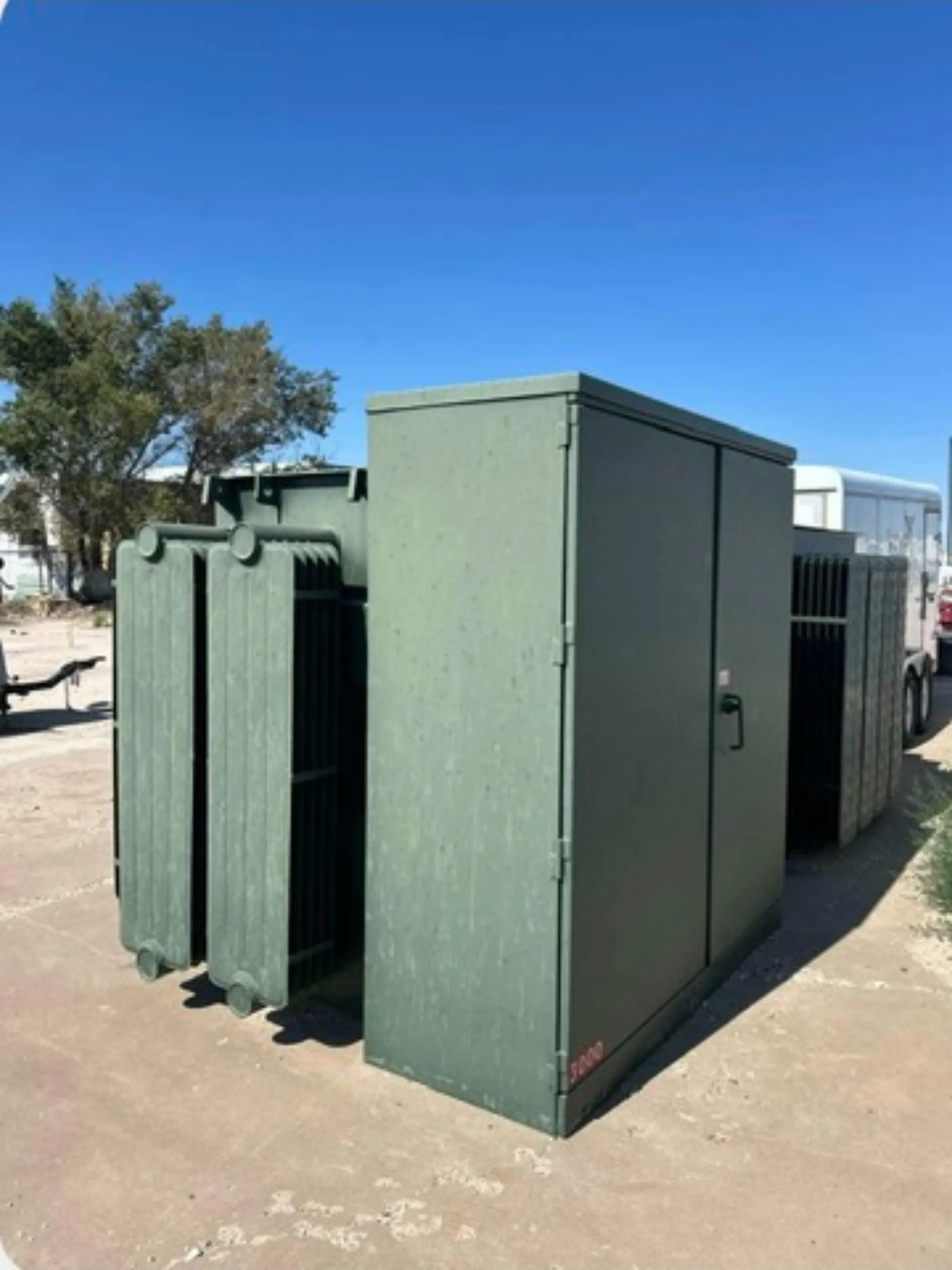
What we buy
What we buy here
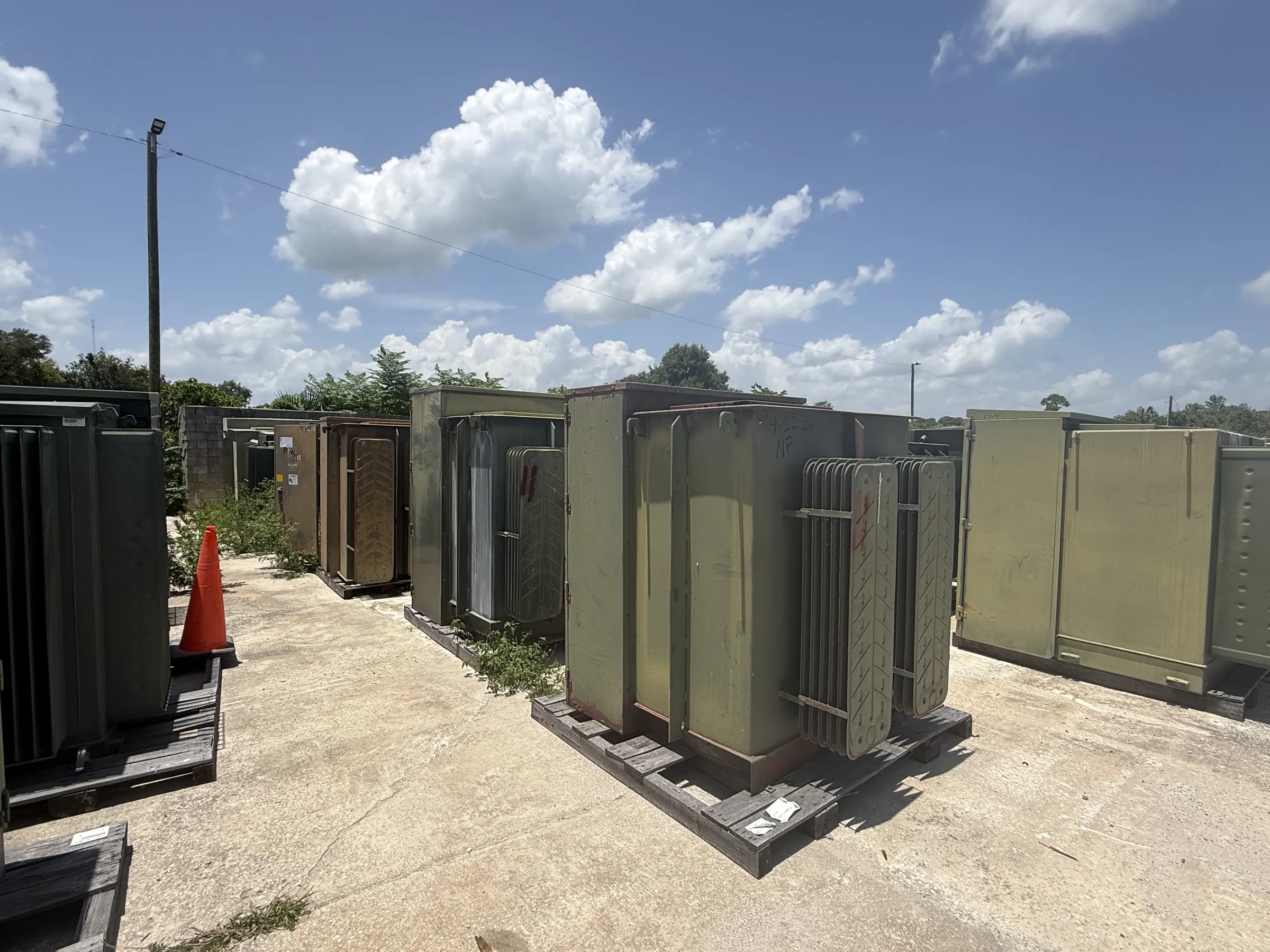
Who we buy from
Six kinds of seller, one desk
- Recyclers
- Electrical contractors
- Equipment dealers
- End users
- Demo contractors
- Distributors
Fast offers
A nameplate photo is usually enough to price a unit the same day.
Dedicated logistics
We arrange the crane, the permits and the flatbed, not you.
No broker fees
You are dealing with the buyer, so nothing is shaved off the offer.
How it works
Six steps from your yard to the money
- 01
Take pictures
The nameplate, the cabinet interior and the tank in daylight. Three photographs are usually enough to place a unit in the right class and the right price band.
- 02
Send them to us
The form on this page, a text or an email all reach the same desk. Include the city, the access and any deadline the site is working to.
- 03
Review the offer
A buyer reads the photographs, asks one or two questions and sends a written offer with the assumptions stated, so nothing changes on the day.
- 04
We schedule freight
Crane, flatbed and permits are booked around your access. You get a date and a window, and we carry the cost of getting it right.
- 05
Testing on arrival
Winding resistance, megger and turns ratio, plus oil analysis where the unit is liquid filled. The results decide the final number, and you see them.
- 06
Get paid
Payment is released on the agreed terms once the unit is received and tested, by check or ACH. No retention, no sixty-day terms.
What we handle for you
The parts sellers dread, done for you
Rigging
Crane and forklift arranged around your access, not the other way round.
Oil containment
Bunds, absorbent and disposal handled before the unit moves.
Bill of sale
A clean title document for your records, signed on collection.
PCB paperwork
Pre-1979 units get the testing and the manifest they need.
Buying desk
The short answer
We buy the unit, the lot and the problem, including the rigging, the permits and the paperwork. A unit with new bushings has usually had money spent on it, and that spending is visible.
A clean oil test moves a number up faster than a new coat of paint ever will. A leaking unit is bought on the assumption that the tank needs work, and the offer says so in writing.
How it works here
A unit described honestly sells faster than one described optimistically, because the second one gets renegotiated. A buyer's first question is about the rating and the second is about the access, in that order.
Paint is a cosmetic question, and seam rust is a structural one, and the two are often confused. A unit that came out of a working plant is almost always the better buy, and sellers rarely realise it.
What we need from you
We would rather see a bad photograph of the right thing than a good photograph of the cabinet door. Every county in Ohio has a slightly different way of doing things, and a buyer who works statewide learns them all.
A transformer is heavy, oily, regulated and awkward, and every part of the process reflects that. The best outcome is a unit that leaves the site and turns up somewhere useful, and that happens more often than people expect.
Compared with the alternatives
The gap between scrap value and resale value is the whole reason a buying desk exists. A common rating at a common voltage is worth more than a rare one in perfect order, which surprises sellers every week.
A test that costs less than a tank of fuel can change a five-figure decision, which is the whole argument for doing it. A buyer who explains a deduction is easier to trust than one who simply reduces the figure.
Ohio only, on purpose
We do not buy in Pennsylvania, Michigan, Kentucky, Indiana or West Virginia, and we say so rather than waste a seller's week. A hilly county makes every lift a rigging problem, and the crane budget grows with the gradient.
A decommissioning is orderly, which makes it the easiest kind of large project to buy from. A yard with a dozen units in it is a record of what Ohio plants have been replacing.
Common questions
A hot mechanical room quietly derates everything in it, and nobody notices until a unit fails early. Nothing about a transformer improves by waiting, and the oil in particular gets worse rather than better.
Related pages
Get started
Get an offer in minutes
Five fields and a phone number is all we need to start. We reply the same business day, and a firm number follows the nameplate photo.
(614) 715-3047or send the form and we will call you.
Questions
What sellers ask before they call
Equipment types
Do you buy transformers anywhere in Ohio?
What you send stays with the buying desk, and we do not publish your plant, your nameplate or your deadline anywhere. Coverage means all eighty-eight counties, and the cities inside them are worked the same way as the farms between them. A unit that has been disconnected for a year is not the same proposition as one that came out last week.
Service area
Is there a fee to get a number?
We are not a marketplace and we are not an auction, so there is one buyer in the conversation and it is us. Funds can clear before the crane hooks on if that is the arrangement you want, and we will put it in writing. The work is unglamorous and the equipment is heavy, which is why so few people do it properly.
Payment
How fast can a unit leave the site?
There is no pressure to accept on the call; the number holds for a set period and you can test it against another buyer. If the building changes hands at the end of the month, say so at the start and the schedule gets built backwards from that date. A transformer with its original documentation is easier to insure, easier to resell and easier to explain.