We handle the freight
Sell a Transformer in Youngstown, Ohio
How selling a transformer works in Ohio, in plain steps, with the paperwork and freight covered.
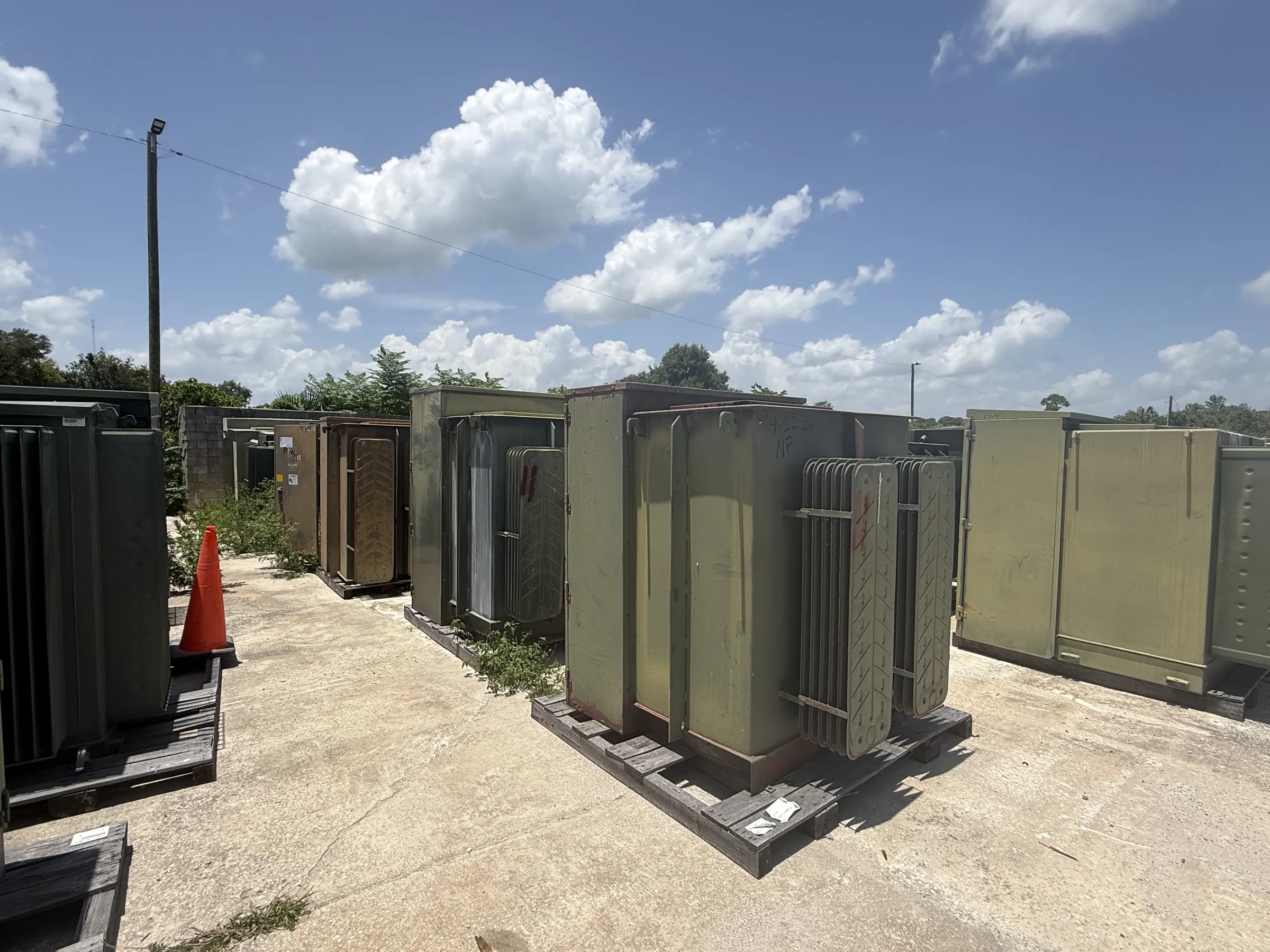
What we buy
What we buy here
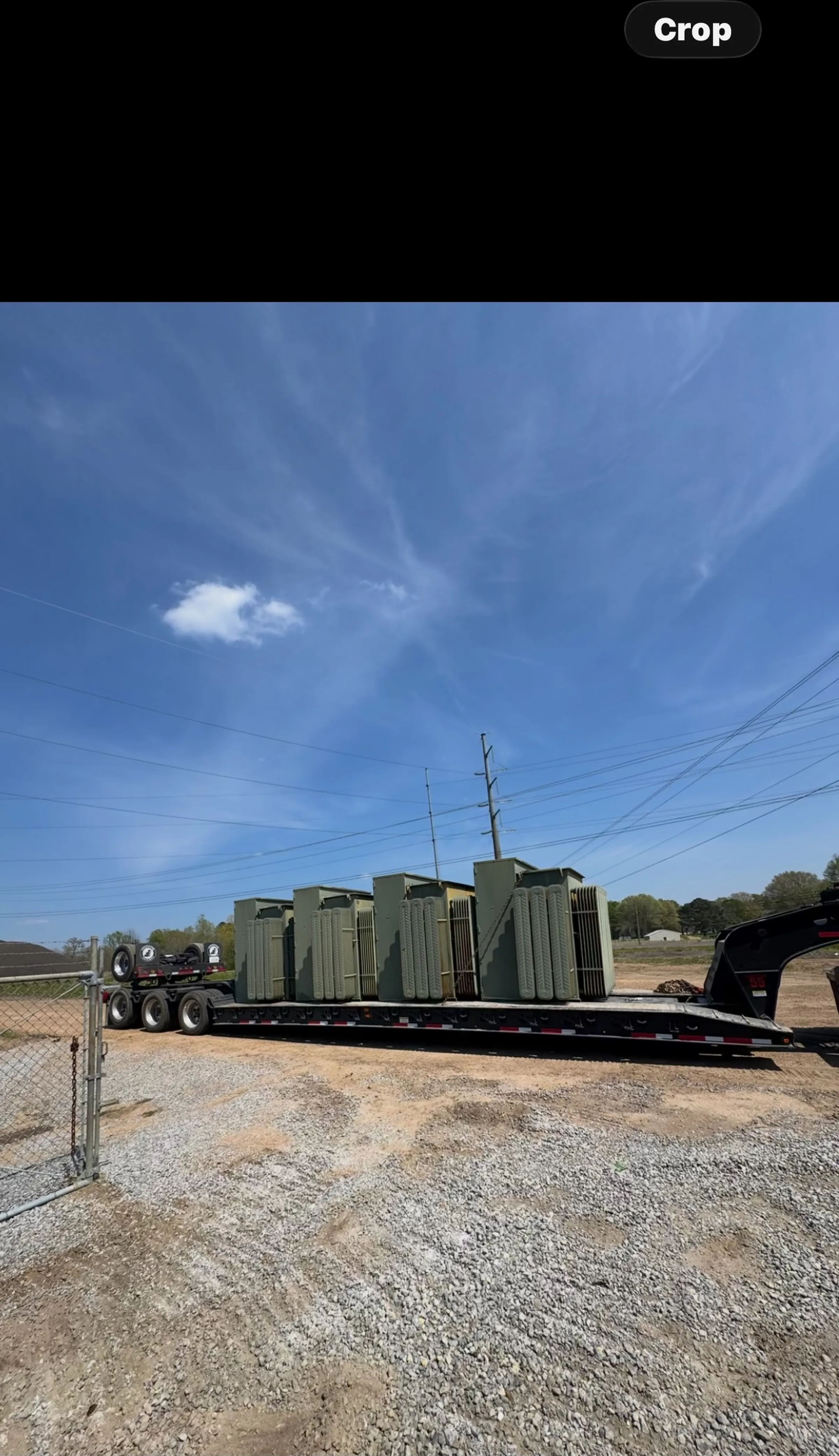
Who we buy from
Six kinds of seller, one desk
- Recyclers
- Electrical contractors
- Equipment dealers
- End users
- Demo contractors
- Distributors
Fast offers
A nameplate photo is usually enough to price a unit the same day.
Dedicated logistics
We arrange the crane, the permits and the flatbed, not you.
No broker fees
You are dealing with the buyer, so nothing is shaved off the offer.
How it works
Six steps from your yard to the money
- 01
Take pictures
The nameplate, the cabinet interior and the tank in daylight. Three photographs are usually enough to place a unit in the right class and the right price band.
- 02
Send them to us
The form on this page, a text or an email all reach the same desk. Include the city, the access and any deadline the site is working to.
- 03
Review the offer
A buyer reads the photographs, asks one or two questions and sends a written offer with the assumptions stated, so nothing changes on the day.
- 04
We schedule freight
Crane, flatbed and permits are booked around your access. You get a date and a window, and we carry the cost of getting it right.
- 05
Testing on arrival
Winding resistance, megger and turns ratio, plus oil analysis where the unit is liquid filled. The results decide the final number, and you see them.
- 06
Get paid
Payment is released on the agreed terms once the unit is received and tested, by check or ACH. No retention, no sixty-day terms.
What we handle for you
The parts sellers dread, done for you
Rigging
Crane and forklift arranged around your access, not the other way round.
Oil containment
Bunds, absorbent and disposal handled before the unit moves.
Bill of sale
A clean title document for your records, signed on collection.
PCB paperwork
Pre-1979 units get the testing and the manifest they need.
Buying desk
The short answer
Selling a transformer is not like selling a truck, because the buyer has to be able to move it and most cannot. Two units of the same age can be worth very different amounts, and the difference is usually the tap changer.
A spill kit on site before the first bolt comes out is cheaper than the phone call that follows a missing one. The buyer's number is a purchase figure rather than a valuation, which is why it does not move once agreed.
How it works here
A unit that has been in service is a known quantity, and a unit that has been idle is a question. A seller should ask what happens to the unit after it leaves, because the answer says what kind of buyer they are dealing with.
A quick decision is a kindness when the unit is standing in the way of a project. The question that decides most purchases is not what the unit is but where it has to go next.
What we need from you
If the unit is still energized, do not open anything; a tag photograph through the window is enough to start. A unit that was replaced during an upgrade is almost always a better buy than one that failed on a Tuesday.
A seller with a deadline should say so early, because the schedule is built around the date rather than the unit. A buyer who works the whole state can move a unit to whichever plant needs it, which is why the coverage matters.
Compared with the alternatives
A common rating at a common voltage is worth more than a rare one in perfect order, which surprises sellers every week. A site visit costs the buyer a morning and saves both sides a misunderstanding, which is why it is free to the seller.
A number that survives the site visit is worth more than one that was generous on the phone. A seller with photographs gets a firm number, and a seller with a description gets a range.
Selling a transformer in Youngstown
Most of the transformers we pull out of Youngstown were fed from a FirstEnergy substation, and the tag says so in the primary column. Nothing about a transformer improves by waiting, and the oil in particular gets worse rather than better.
A transformer is a boring asset until the day it fails, and then it is the only thing anyone discusses. A site visit answers in twenty minutes what a week of messages cannot.
Common questions
Related pages
Get started
Get an offer in minutes
Five fields and a phone number is all we need to start. We reply the same business day, and a firm number follows the nameplate photo.
(614) 715-3047or send the form and we will call you.
Questions
What sellers ask before they call
Equipment types
Do you buy transformers in Youngstown?
We are the buyer at the end of the chain, not a broker who has to find one, which is why the answer is yes or no rather than maybe. One desk, one state, one set of hauling relationships, which is why a Youngstown pickup does not need a national carrier. A unit in a building that is coming down is a different problem from a unit in a plant that is staying.
Service area
Is there a fee to get a number?
We are not a marketplace and we are not an auction, so there is one buyer in the conversation and it is us. Payment goes out by bank wire, ACH or certified check on pickup, with no holdback waiting on somebody else's sale. A substation unit is a project rather than a purchase, and it should be planned like one.
Payment
How fast can a unit leave the site?
Discretion costs nothing here, and it is the reason a good share of our work arrives by referral inside the same plant. A single padmount is a half-day job once access is confirmed; a substation unit is a week of planning and a permit. A unit substation is convenient in service and awkward to move, because the sections are bolted together.