No fees, no broker
Sell My Transformer: The Practical Route
How selling a transformer works in Ohio, in plain steps, with the paperwork and freight covered.
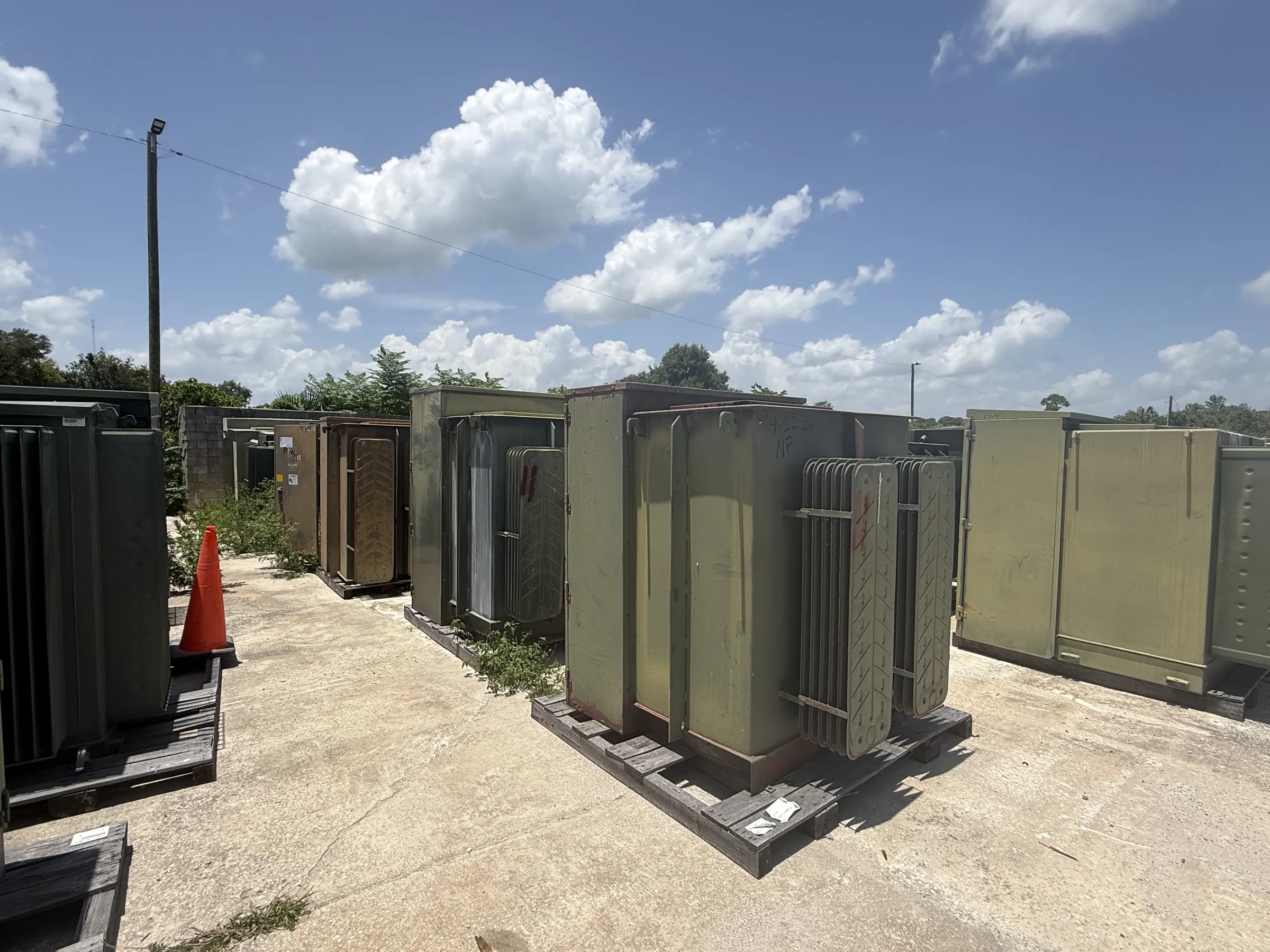
What we buy
What we buy here
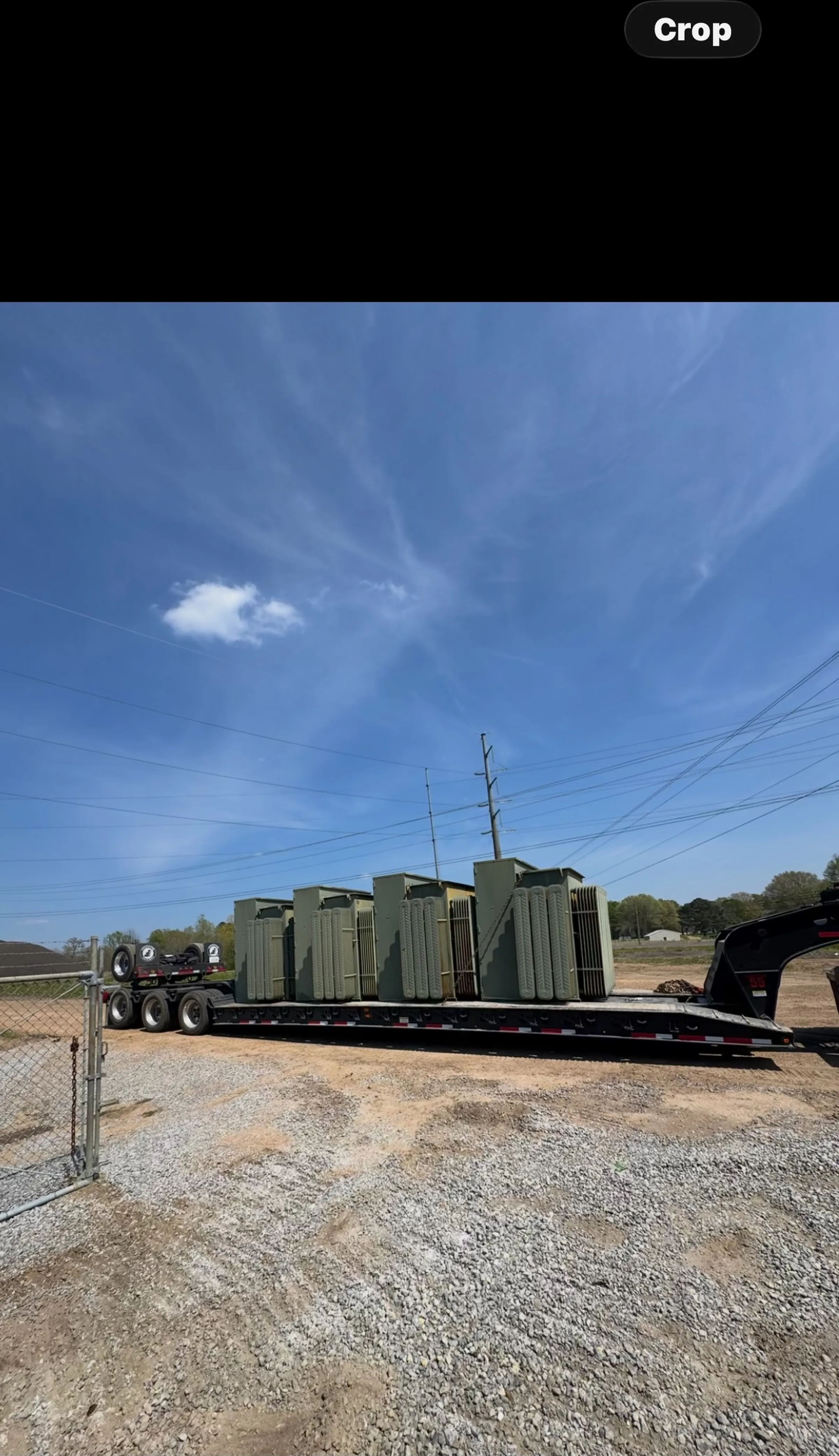
Who we buy from
Six kinds of seller, one desk
- Recyclers
- Electrical contractors
- Equipment dealers
- End users
- Demo contractors
- Distributors
Fast offers
A nameplate photo is usually enough to price a unit the same day.
Dedicated logistics
We arrange the crane, the permits and the flatbed, not you.
No broker fees
You are dealing with the buyer, so nothing is shaved off the offer.
How it works
Six steps from your yard to the money
- 01
Take pictures
The nameplate, the cabinet interior and the tank in daylight. Three photographs are usually enough to place a unit in the right class and the right price band.
- 02
Send them to us
The form on this page, a text or an email all reach the same desk. Include the city, the access and any deadline the site is working to.
- 03
Review the offer
A buyer reads the photographs, asks one or two questions and sends a written offer with the assumptions stated, so nothing changes on the day.
- 04
We schedule freight
Crane, flatbed and permits are booked around your access. You get a date and a window, and we carry the cost of getting it right.
- 05
Testing on arrival
Winding resistance, megger and turns ratio, plus oil analysis where the unit is liquid filled. The results decide the final number, and you see them.
- 06
Get paid
Payment is released on the agreed terms once the unit is received and tested, by check or ACH. No retention, no sixty-day terms.
What we handle for you
The parts sellers dread, done for you
Rigging
Crane and forklift arranged around your access, not the other way round.
Oil containment
Bunds, absorbent and disposal handled before the unit moves.
Bill of sale
A clean title document for your records, signed on collection.
PCB paperwork
Pre-1979 units get the testing and the manifest they need.
Buying desk
The short answer
The useful question is not who will take it, but who will take it and pay for it before the site has to be clear. The buyer's number is a purchase figure rather than a valuation, which is why it does not move once agreed.
A spare bought for a plant that has since been reconfigured is the cleanest unit in the used market. An overstock sale is where matching sets appear, and a matching set is worth more than the units bought one at a time.
How it works here
A plant engineer who knows the fault history is worth more than a file of invoices. A site manager who has already cleared the pad has done most of the work that matters.
A buyer who works the whole state can move a unit to whichever plant needs it, which is why the coverage matters. The order of work is always the same: look, measure, test, agree, lift, pay.
What we need from you
If the unit is still energized, do not open anything; a tag photograph through the window is enough to start. Every county in Ohio has a slightly different way of doing things, and a buyer who works statewide learns them all.
A site that has been photographed properly can be quoted without a visit, and the visit is only a confirmation. A yard with a dozen units in it is a record of what Ohio plants have been replacing.
Compared with the alternatives
A unit with documentation is worth more to a plant that has to satisfy an auditor, and that market is real. A mixed lot is priced unit by unit, and the junk in the corner is part of the arithmetic rather than a gift.
A unit bought for a project that never happened is the cleanest thing in the used market. An offer that states what it assumes is easier to accept than one that does not, because both sides know where they stand.
Ohio only, on purpose
One desk, one state, one set of hauling relationships, which is why a Ohio pickup does not need a national carrier. A county with a rail siding is easier to work than one without, because rail takes what road cannot.
A transformer that is still connected belongs to the plant's electrician until it is isolated, and that is the first call. A unit that has been looked after is obvious within a minute, and so is one that has not.
Common questions
Related pages
Get started
Get an offer in minutes
Five fields and a phone number is all we need to start. We reply the same business day, and a firm number follows the nameplate photo.
(614) 715-3047or send the form and we will call you.
Questions
What sellers ask before they call
Equipment types
Do you buy transformers anywhere in Ohio?
A municipal seller needs an invoice and a W-9; a plant needs a wire against a bill of sale. We do both without drama. We know the Ohio permit routes, the scales and the bridge limits because that is the only ground we work. A short list of photographs covers the cabinet, the tag, the bushings and the access, and nothing else is needed at the start.
Service area
Is there a fee to get a number?
There is no pressure to accept on the call; the number holds for a set period and you can test it against another buyer. Payment goes out by bank wire, ACH or certified check on pickup, with no holdback waiting on somebody else's sale. A seller with a deadline should say so early, because the schedule is built around the date rather than the unit.
Payment
How fast can a unit leave the site?
A broker has to shop a unit before committing to it; we own the decision, so the number you hear is a number that holds. Most units leave within a week of the number being agreed, and a unit that has to clear a site by Friday can usually be gone by Friday. A unit that was replaced during an upgrade is almost always a better buy than one that failed on a Tuesday.