Paid on pickup
Sell a Oil and Gas Transformer in Ohio
Transformers from this sector bought across Ohio, as they stand, on the site's own schedule.
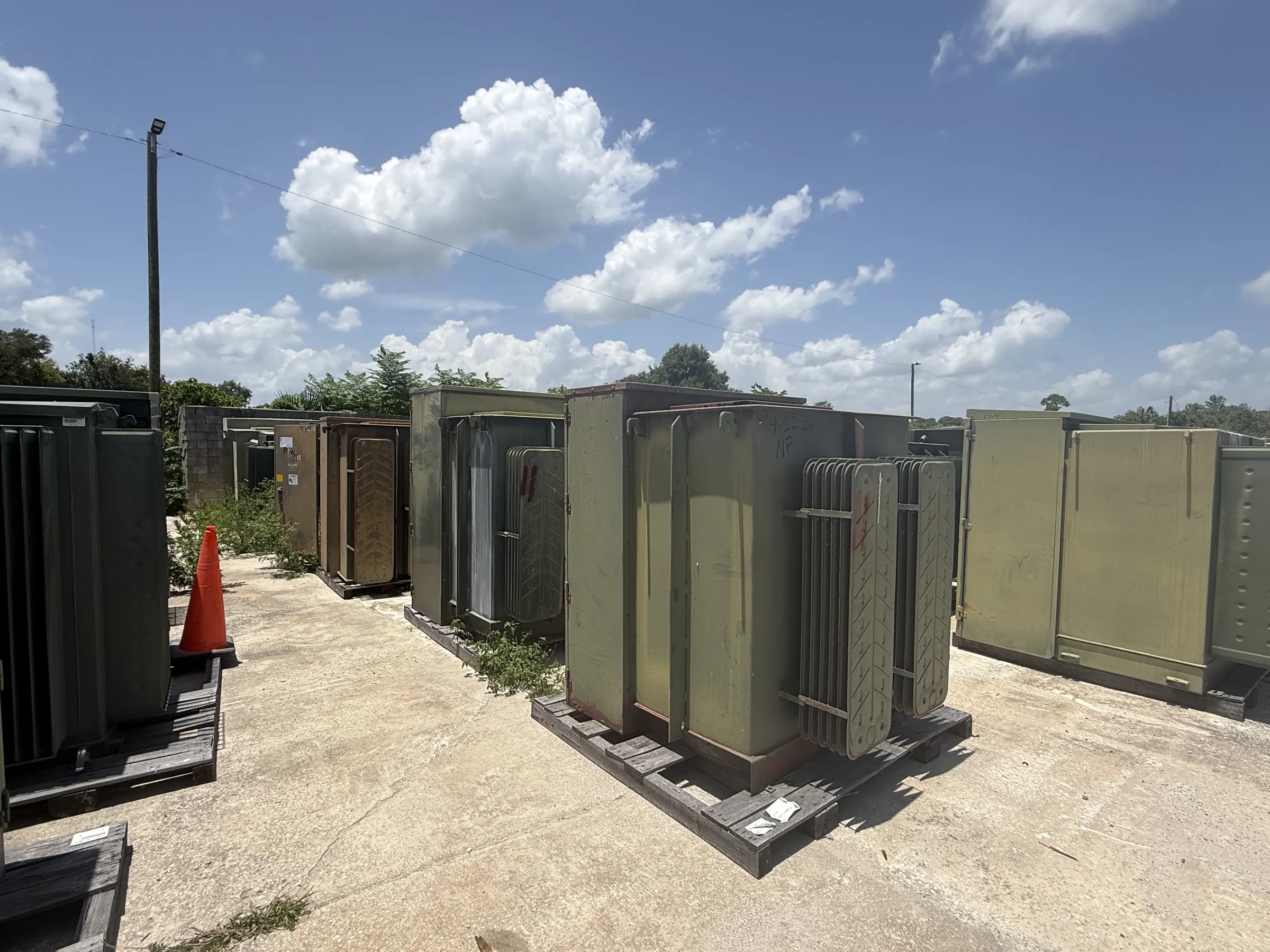
What we buy
What we buy here
The trigger in Oil and Gas is usually a line change, a capacity increase or a shutdown, and each one puts a unit on the surplus list. A buyer who says yes to everything is not a buyer; the useful answer explains what would have to be true for the number to rise.
| What they hold | padmounts and small substation units serving compressor stations and processing plants |
|---|---|
| What triggers a sale | a well pad being decommissioned, a compressor being replaced or a gathering system changing hands |
| Duty on the unit | intermittent load with frequent starts on compressor motors |
| Buying note | Ohio's gas fields have put a lot of mid-size padmounts into the surplus market as compression is consolidated. |
Who we buy from
Six kinds of seller, one desk
- Recyclers
- Electrical contractors
- Equipment dealers
- End users
- Demo contractors
- Distributors
Fast offers
A nameplate photo is usually enough to price a unit the same day.
Dedicated logistics
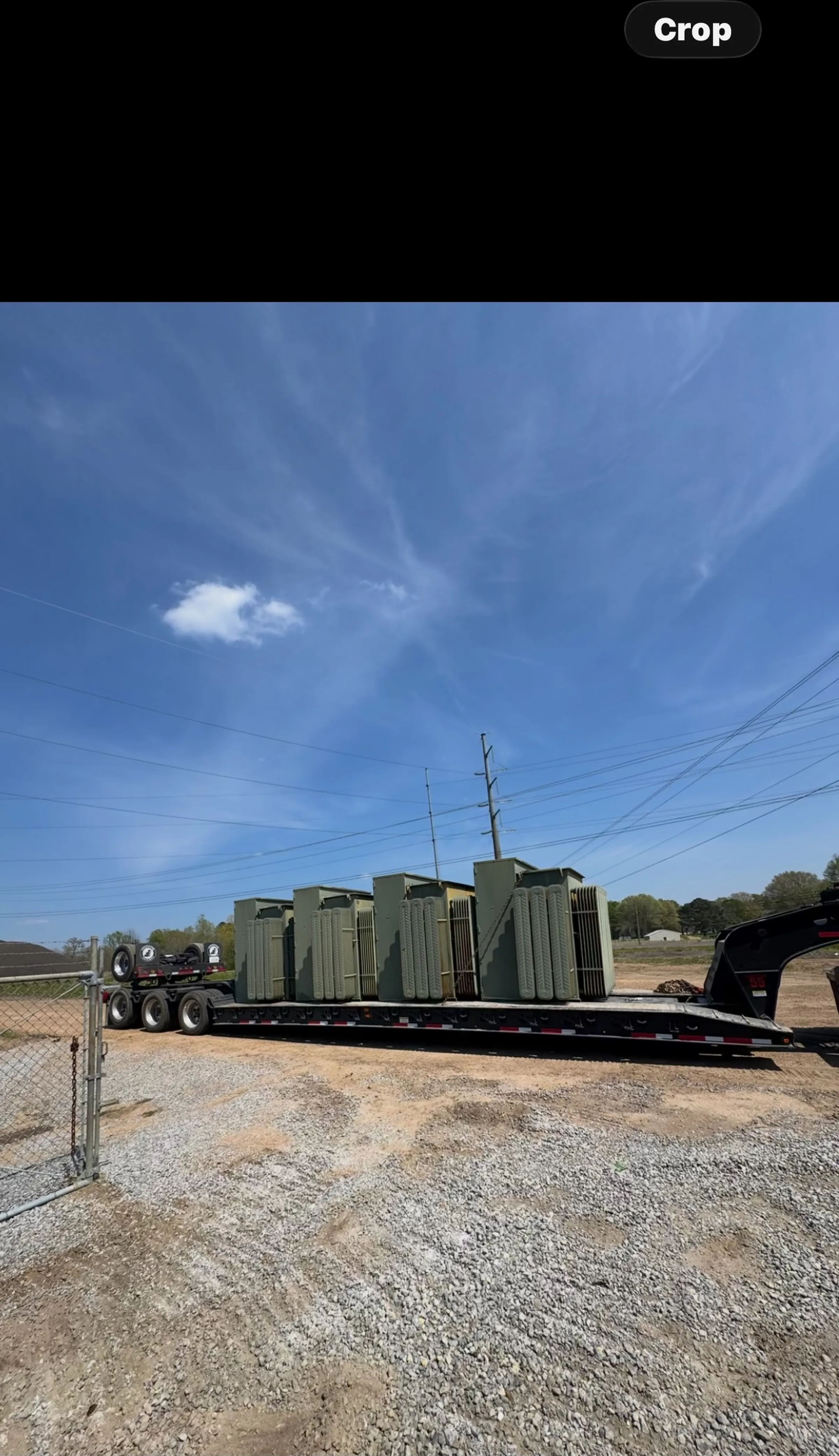
We arrange the crane, the permits and the flatbed, not you.
No broker fees
You are dealing with the buyer, so nothing is shaved off the offer.
How it works
Six steps from your yard to the money
- 01
Take pictures
The nameplate, the cabinet interior and the tank in daylight. Three photographs are usually enough to place a unit in the right class and the right price band.
- 02
Send them to us
The form on this page, a text or an email all reach the same desk. Include the city, the access and any deadline the site is working to.
- 03
Review the offer
A buyer reads the photographs, asks one or two questions and sends a written offer with the assumptions stated, so nothing changes on the day.
- 04
We schedule freight
Crane, flatbed and permits are booked around your access. You get a date and a window, and we carry the cost of getting it right.
- 05
Testing on arrival
Winding resistance, megger and turns ratio, plus oil analysis where the unit is liquid filled. The results decide the final number, and you see them.
- 06
Get paid
Payment is released on the agreed terms once the unit is received and tested, by check or ACH. No retention, no sixty-day terms.
What we handle for you
The parts sellers dread, done for you
Rigging
Crane and forklift arranged around your access, not the other way round.
Oil containment
Bunds, absorbent and disposal handled before the unit moves.
Bill of sale
A clean title document for your records, signed on collection.
PCB paperwork
Pre-1979 units get the testing and the manifest they need.
Industry
Transformer stock in oil and gas
Units out of Oil and Gas work carry duty cycles that show up in the oil, and the oil is what we test. A unit stored with its bushings uncapped will take water in through the top and hold it.
A three-winding unit needs a test sheet rather than a description, because the tertiary changes everything. Condensation does more damage in storage than rain does, because it gets inside and stays there.
When units come out of service
A seller should keep the photographs after the sale, because the next buyer will ask for the same ones. A seller who sends four photographs at the start usually gets a decision the same day.
A unit substation is convenient in service and awkward to move, because the sections are bolted together. A plant engineer who knows the fault history is worth more than a file of invoices.
What we look for
Condition is read from the outside in: paint, rust pattern, radiator fins, bushing condition, then the oil. A purchase is a handover of risk as much as a handover of metal.
The work is unglamorous and the equipment is heavy, which is why so few people do it properly. A transformer that is still connected belongs to the plant's electrician until it is isolated, and that is the first call.
How a oil and gas pickup runs
A lift that starts level ends level, and a lift that starts crooked rarely does. A crane needs somewhere to stand, and the place it needs is rarely the place the site manager had in mind.
Ohio coverage for this sector
Common questions
Other sectors we buy from
Get started
Get an offer in minutes
Five fields and a phone number is all we need to start. We reply the same business day, and a firm number follows the nameplate photo.
(614) 715-3047or send the form and we will call you.
Questions
What sellers ask before they call
Equipment types
Do you buy transformers from oil and gas sites?
A municipal seller needs an invoice and a W-9; a plant needs a wire against a bill of sale. We do both without drama. The Oil and Gas sector in Ohio runs transformers hard, and the units that come out of it are usually well documented. A seller who has the serial number to hand moves through the first call in half the time.
Service area
What paperwork does a oil and gas seller need?
Every county in the state is covered, from the lake shore to the river, and Ohio sits inside the regular loop. A scrap ticket is not a title, and a unit that came out of a scrap yard needs a provenance note before anyone can rely on it. A decision made on a photograph is reversible; a decision made after the truck arrives is not.
Payment
How quickly can you clear a oil and gas unit?
We would rather lose a unit than quote a figure we cannot honour once the cabinet is open. A mixed lot takes longer than a single unit because every tag has to be read, but it still moves in days rather than months. A buyer who explains the reasoning gets a second call, and the second call is where the good units are.