Cash on collection
Sell a Wastewater Transformer in Ohio
Transformers from this sector bought across Ohio, as they stand, on the site's own schedule.
What we buy
What we buy here
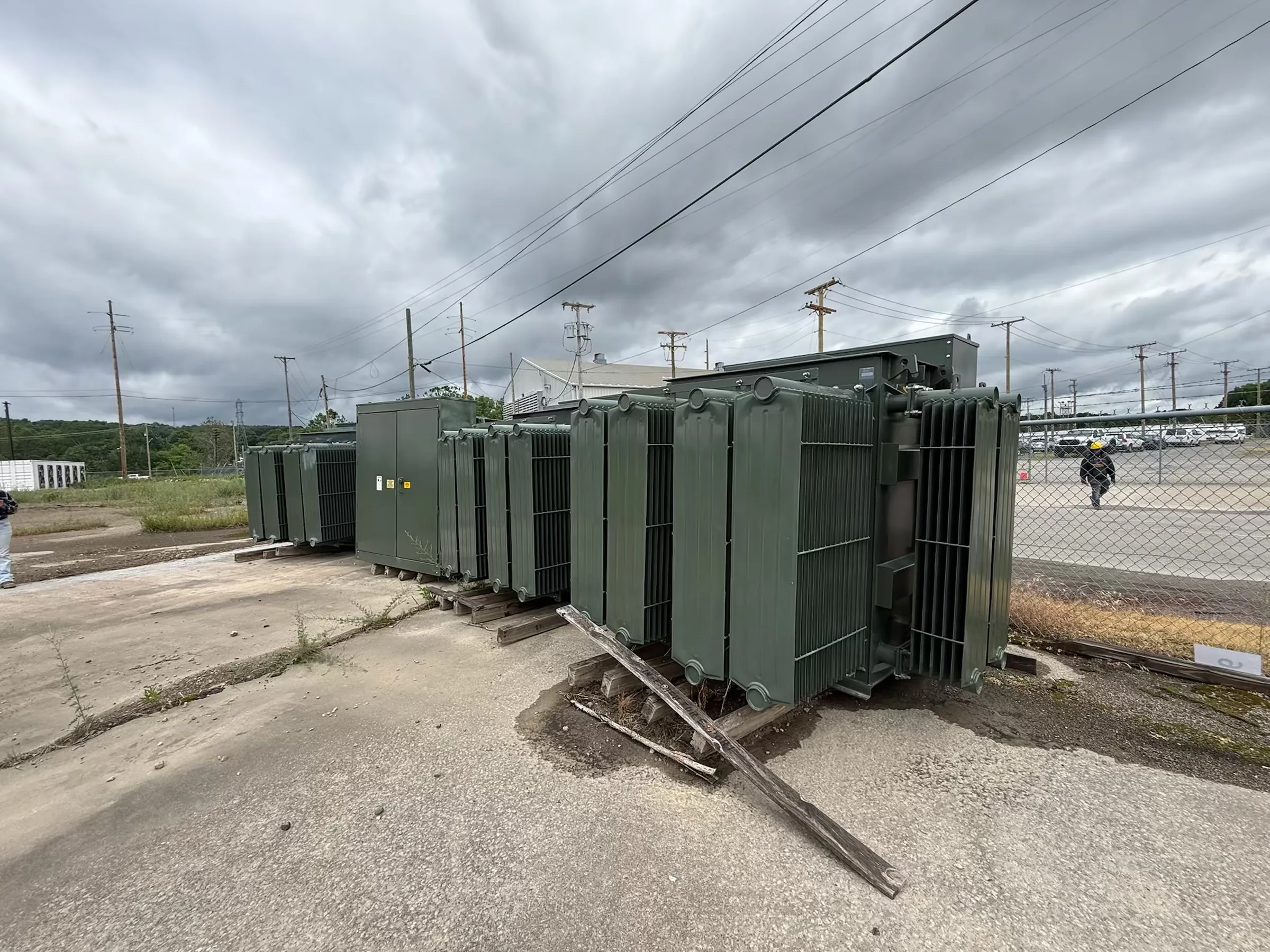
The trigger in Wastewater is usually a line change, a capacity increase or a shutdown, and each one puts a unit on the surplus list. We turn down units that cannot be moved safely, and we say so before anybody spends money on a crane.
| What they hold | dry-types and padmounts serving blowers, digesters and aeration |
|---|---|
| What triggers a sale | an aeration upgrade, a biosolids project or a plant expansion |
| Duty on the unit | continuous load with large blower motors that start hard |
| Buying note | Wastewater plants run some of the most corrosive atmospheres in Ohio, and the transformers show it. |
Who we buy from
Six kinds of seller, one desk
- Recyclers
- Electrical contractors
- Equipment dealers
- End users
- Demo contractors
- Distributors
Fast offers
A nameplate photo is usually enough to price a unit the same day.
Dedicated logistics
We arrange the crane, the permits and the flatbed, not you.
No broker fees
You are dealing with the buyer, so nothing is shaved off the offer.
How it works
Six steps from your yard to the money
- 01
Take pictures
The nameplate, the cabinet interior and the tank in daylight. Three photographs are usually enough to place a unit in the right class and the right price band.
- 02
Send them to us
The form on this page, a text or an email all reach the same desk. Include the city, the access and any deadline the site is working to.
- 03
Review the offer
A buyer reads the photographs, asks one or two questions and sends a written offer with the assumptions stated, so nothing changes on the day.
- 04
We schedule freight
Crane, flatbed and permits are booked around your access. You get a date and a window, and we carry the cost of getting it right.
- 05
Testing on arrival
Winding resistance, megger and turns ratio, plus oil analysis where the unit is liquid filled. The results decide the final number, and you see them.
- 06
Get paid
Payment is released on the agreed terms once the unit is received and tested, by check or ACH. No retention, no sixty-day terms.
What we handle for you
The parts sellers dread, done for you
Rigging
Crane and forklift arranged around your access, not the other way round.
Oil containment
Bunds, absorbent and disposal handled before the unit moves.
Bill of sale
A clean title document for your records, signed on collection.
PCB paperwork
Pre-1979 units get the testing and the manifest they need.
Industry
Transformer stock in wastewater
Wastewater sites hold transformers the way other sites hold forklifts: several, in different sizes, with at least one spare. A short conversation at the start saves an argument at the gate, and the argument is the expensive part.
A unit that is documented is easier to move than one that is not, in every sense of the word. A plant engineer who knows the fault history is worth more than a file of invoices.
When units come out of service
A buyer who quotes without asking anything has quoted for a different transformer. A buyer who arrives unprepared wastes the site's morning, which is remembered long after the unit is gone.
A cabinet that has been opened recently has probably been looked at by somebody who knew why. A buyer's first question is about the rating and the second is about the access, in that order.
What we look for
A transformer that has been re-gasketed and re-painted is not automatically a good unit, and sometimes the paint is hiding a leak that was never fixed. A desk that buys for its own account answers with a figure rather than a promise to find one.
A seller who sends four photographs at the start usually gets a decision the same day. A short list of photographs covers the cabinet, the tag, the bushings and the access, and nothing else is needed at the start.
How a wastewater pickup runs
The most common cause of a low offer is a missing nameplate, and the second most common is a missing access route. A trailer that cannot turn around will reverse out, and reversing out takes an hour.
Ohio coverage for this sector
Common questions
Other sectors we buy from
Get started
Get an offer in minutes
Five fields and a phone number is all we need to start. We reply the same business day, and a firm number follows the nameplate photo.
(614) 715-3047or send the form and we will call you.
Questions
What sellers ask before they call
Equipment types
Do you buy transformers from wastewater sites?
There is no pressure to accept on the call; the number holds for a set period and you can test it against another buyer. Wastewater operations retire transformers when a line changes, and the retirement is usually planned months ahead. A purchase is a handover of risk as much as a handover of metal.
Service area
What paperwork does a wastewater seller need?
Demolition schedules, lease expirations and closing dates all work the same way here: give us the date and we work to it. Provenance is the story of where a unit came from, and a clean story is worth money to whoever owns it next. The industry runs on relationships, but the first one starts with a nameplate photograph.
Payment
How quickly can you clear a wastewater unit?
A unit with no tag is not a dead end; it is a unit that needs a tape measure and a close look at the bushings. If the building changes hands at the end of the month, say so at the start and the schedule gets built backwards from that date. The second data plate on a rebuilt unit matters more than the first, and it is easy to photograph by mistake.