Cash on collection
Sell a Microgrid Transformer in Ohio
Transformers from this sector bought across Ohio, as they stand, on the site's own schedule.
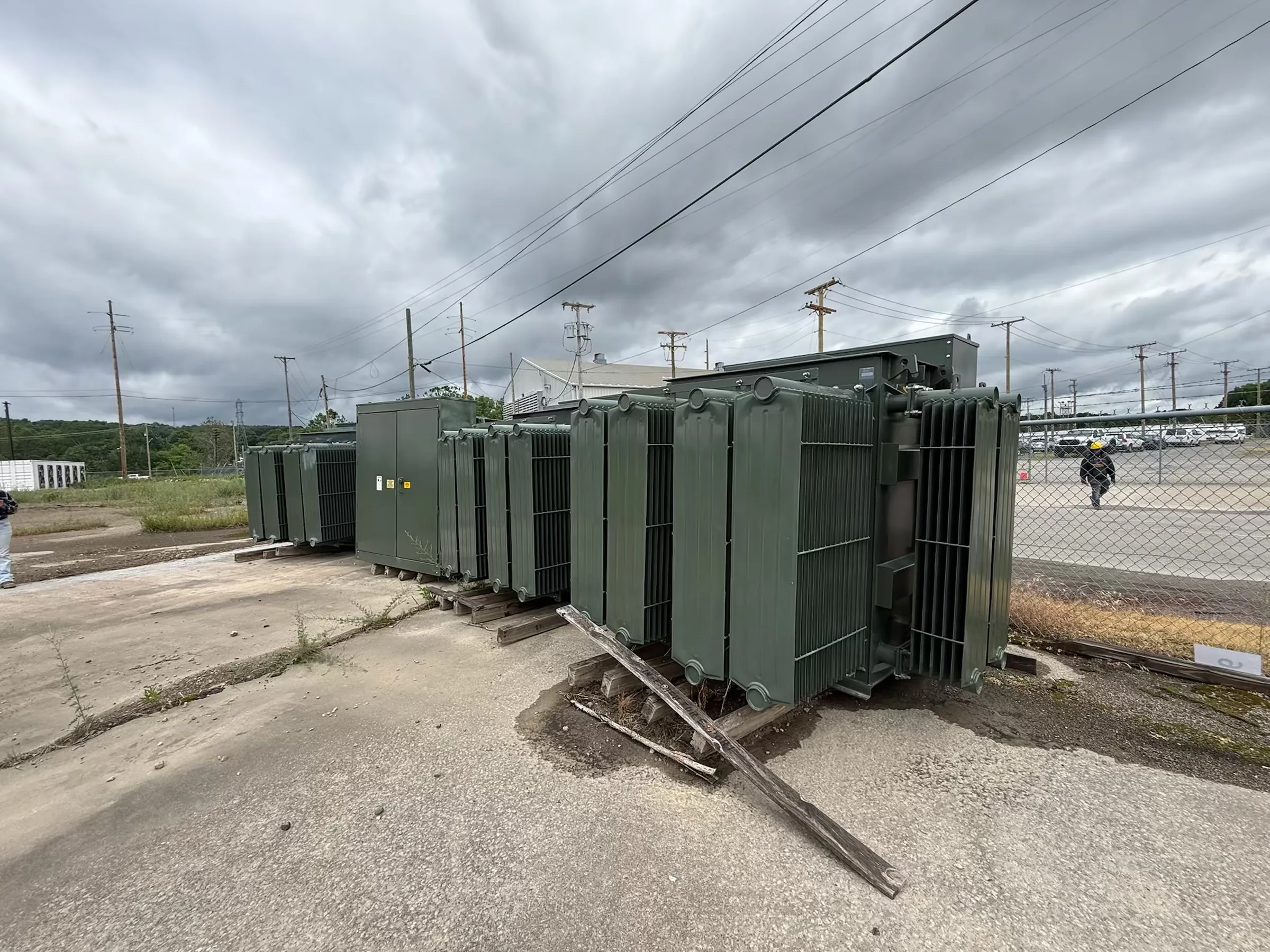
What we buy
What we buy here
Expansion in Microgrid often means a larger transformer arrives and a smaller one becomes nobody's responsibility. We would rather lose a unit than quote a figure we cannot honour once the cabinet is open.
| What they hold | step-up and step-down units linking generation, storage and load |
|---|---|
| What triggers a sale | a controller upgrade, a generation change or a site expansion |
| Duty on the unit | islanding and reconnection, which puts unusual transients on the transformer |
| Buying note | Microgrid units are recent and often specified by an engineering firm rather than a utility standard. |
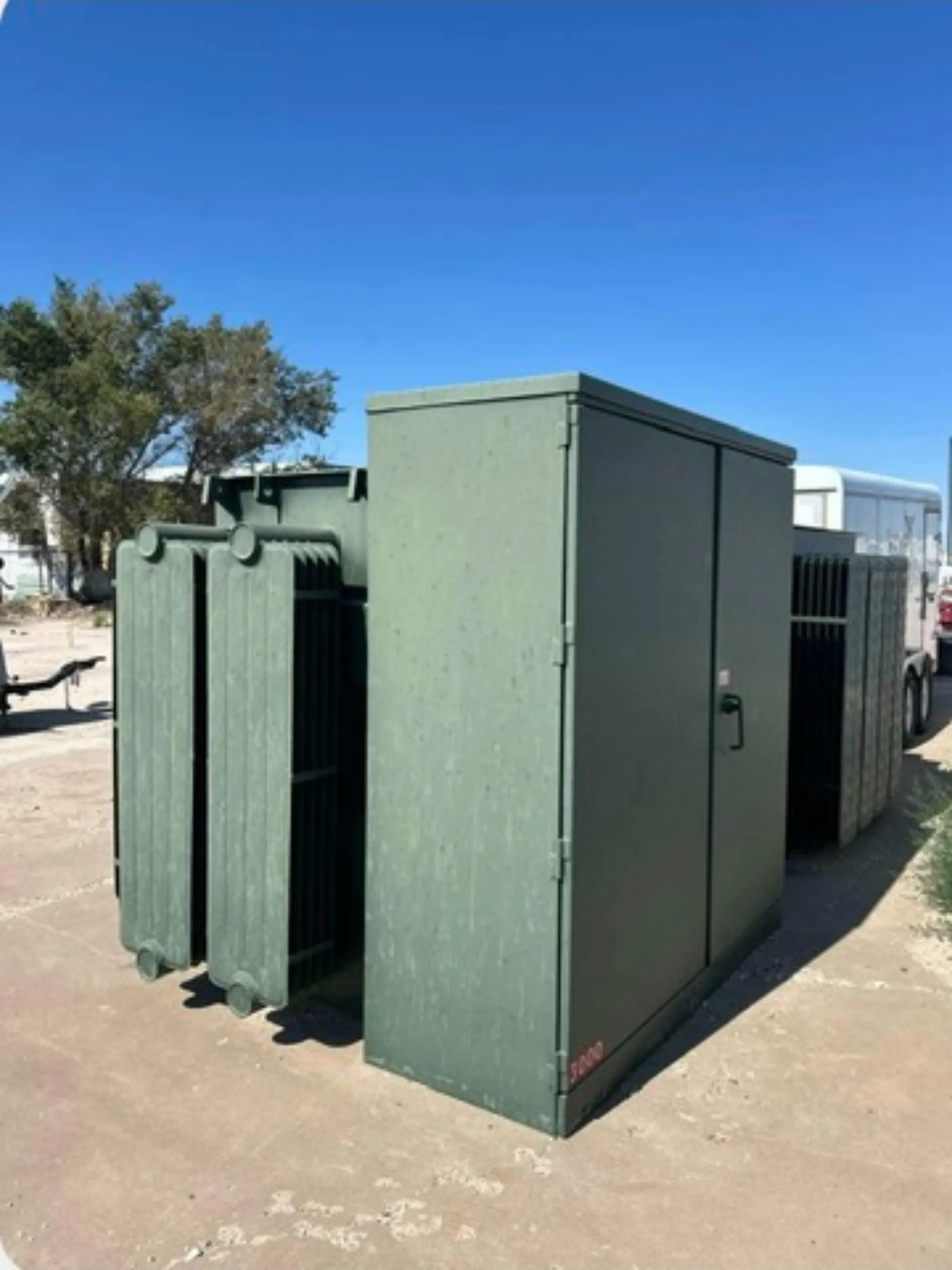
Who we buy from
Six kinds of seller, one desk
- Recyclers
- Electrical contractors
- Equipment dealers
- End users
- Demo contractors
- Distributors
Fast offers
A nameplate photo is usually enough to price a unit the same day.
Dedicated logistics
We arrange the crane, the permits and the flatbed, not you.
No broker fees
You are dealing with the buyer, so nothing is shaved off the offer.
How it works
Six steps from your yard to the money
- 01
Take pictures
The nameplate, the cabinet interior and the tank in daylight. Three photographs are usually enough to place a unit in the right class and the right price band.
- 02
Send them to us
The form on this page, a text or an email all reach the same desk. Include the city, the access and any deadline the site is working to.
- 03
Review the offer
A buyer reads the photographs, asks one or two questions and sends a written offer with the assumptions stated, so nothing changes on the day.
- 04
We schedule freight
Crane, flatbed and permits are booked around your access. You get a date and a window, and we carry the cost of getting it right.
- 05
Testing on arrival
Winding resistance, megger and turns ratio, plus oil analysis where the unit is liquid filled. The results decide the final number, and you see them.
- 06
Get paid
Payment is released on the agreed terms once the unit is received and tested, by check or ACH. No retention, no sixty-day terms.
What we handle for you
The parts sellers dread, done for you
Rigging
Crane and forklift arranged around your access, not the other way round.
Oil containment
Bunds, absorbent and disposal handled before the unit moves.
Bill of sale
A clean title document for your records, signed on collection.
PCB paperwork
Pre-1979 units get the testing and the manifest they need.
Industry
Transformer stock in microgrid
Units out of Microgrid work carry duty cycles that show up in the oil, and the oil is what we test. A fan that does not run turns a forced-cooled rating into a natural-cooled one without changing the tag.
Inrush trips breakers more often than faults do, and the fix is a setting rather than a new unit. A cast resin unit tolerates damp air that would destroy a ventilated dry-type, which is why water plants use them.
When units come out of service
A site induction takes an hour, and a schedule that does not include it will run an hour late. A pickup can be arranged for a weekend, and weekends are often easier on a working plant.
A partial assembly is bought on the assumption that something is missing, because it usually is. A seller with four units on one site gets a better number per unit than a seller with one.
What we look for
We look for evidence of overload, because a unit that ran hot for years shows it in the paint on the tank and the colour of the oil. A seller should be able to tell, from one phone call, whether the buyer has done this before.
A desk that buys for its own account answers with a figure rather than a promise to find one. A decommissioning is orderly, which makes it the easiest kind of large project to buy from.
How a microgrid pickup runs
A pad cleared and swept afterwards is the difference between a buyer who is called again and one who is not. A river terminal changes the arithmetic on a very large unit, because barge transport avoids the bridges.
Ohio coverage for this sector
Common questions
Other sectors we buy from
Get started
Get an offer in minutes
Five fields and a phone number is all we need to start. We reply the same business day, and a firm number follows the nameplate photo.
(614) 715-3047or send the form and we will call you.
Questions
What sellers ask before they call
Equipment types
Do you buy transformers from microgrid sites?
There is no fee to look, no commission on the number, and no deduction invented after the truck is loaded. The Microgrid sector in Ohio runs transformers hard, and the units that come out of it are usually well documented. Nothing about a transformer improves by waiting, and the oil in particular gets worse rather than better.
Service area
What paperwork does a microgrid seller need?
A broker has to shop a unit before committing to it; we own the decision, so the number you hear is a number that holds. A unit pulled from a known plant with a service history is easier to place than one that appeared in a yard with no tag. A seller who mentions the deadline in the first sentence gets a schedule rather than a queue.
Payment
How quickly can you clear a microgrid unit?
You send a photograph of the nameplate, a buyer reads it, and you get a number with the conditions attached instead of a range that means nothing. A single padmount is a half-day job once access is confirmed; a substation unit is a week of planning and a permit. A unit that came out of a working plant is almost always the better buy, and sellers rarely realise it.