Any condition, any size
Selling a Transformer in a Estate Liquidation
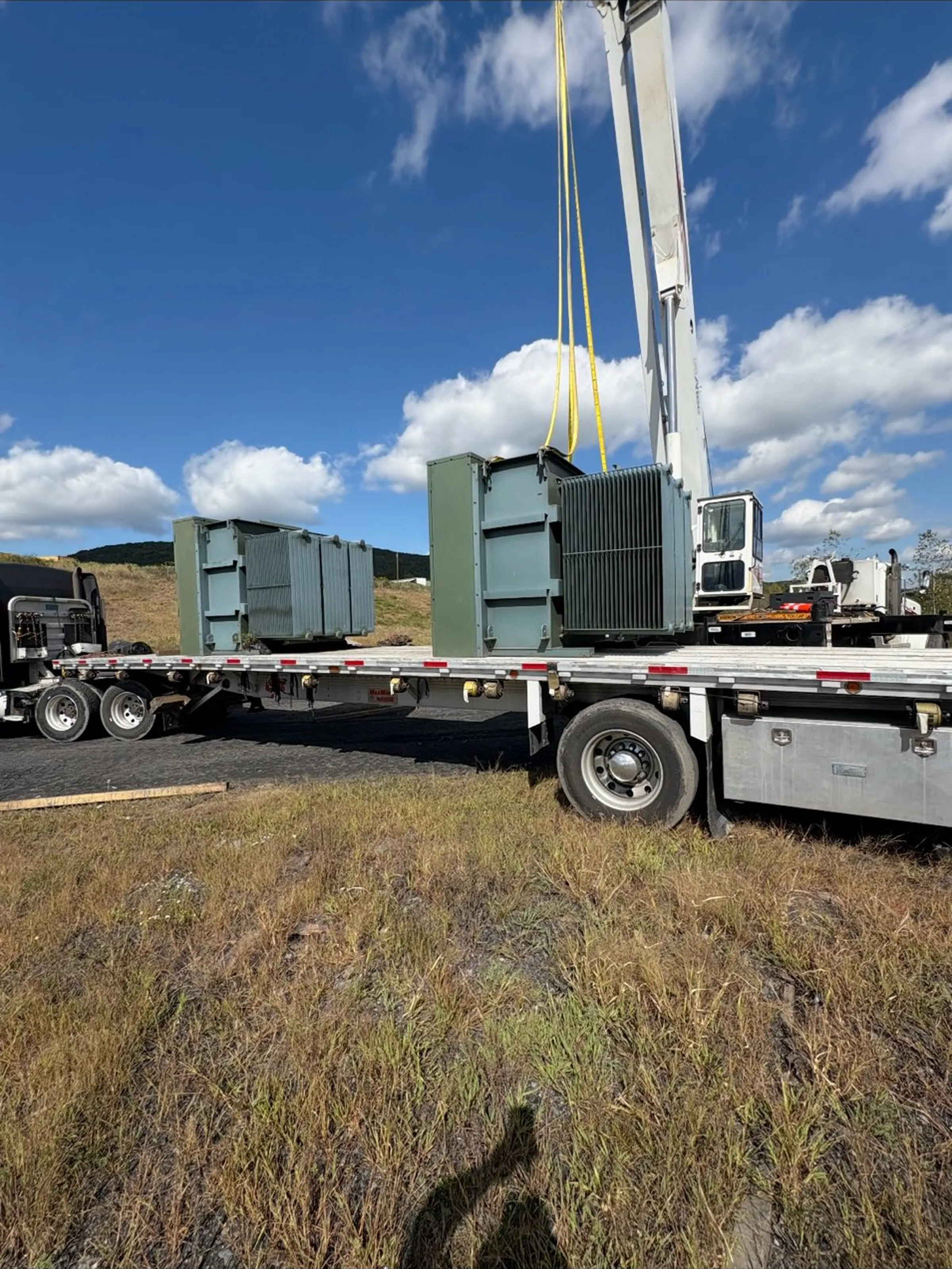
Units released by this situation bought across Ohio, with the removal and paperwork handled.
What we buy
What we buy here
estate liquidation that is already in progress needs a buyer who can be on site within days rather than weeks. A closing plant has to clear a building by a date, and a transformer is the heaviest thing between the crew and an empty floor.
| What happens | An owner dies or a family business closes, and the equipment is sold by an executor who may not know what it is. |
|---|---|
| Deadline | the estate's timeline is set by probate rather than by the equipment |
| Paperwork | letters testamentary, a bill of sale from the executor and a serial list |
| Buying note | Estate units are often undocumented and well preserved, because nobody has touched them in years. |
Who we buy from
Six kinds of seller, one desk
- Recyclers
- Electrical contractors
- Equipment dealers
- End users
- Demo contractors
- Distributors
Fast offers
A nameplate photo is usually enough to price a unit the same day.
Dedicated logistics
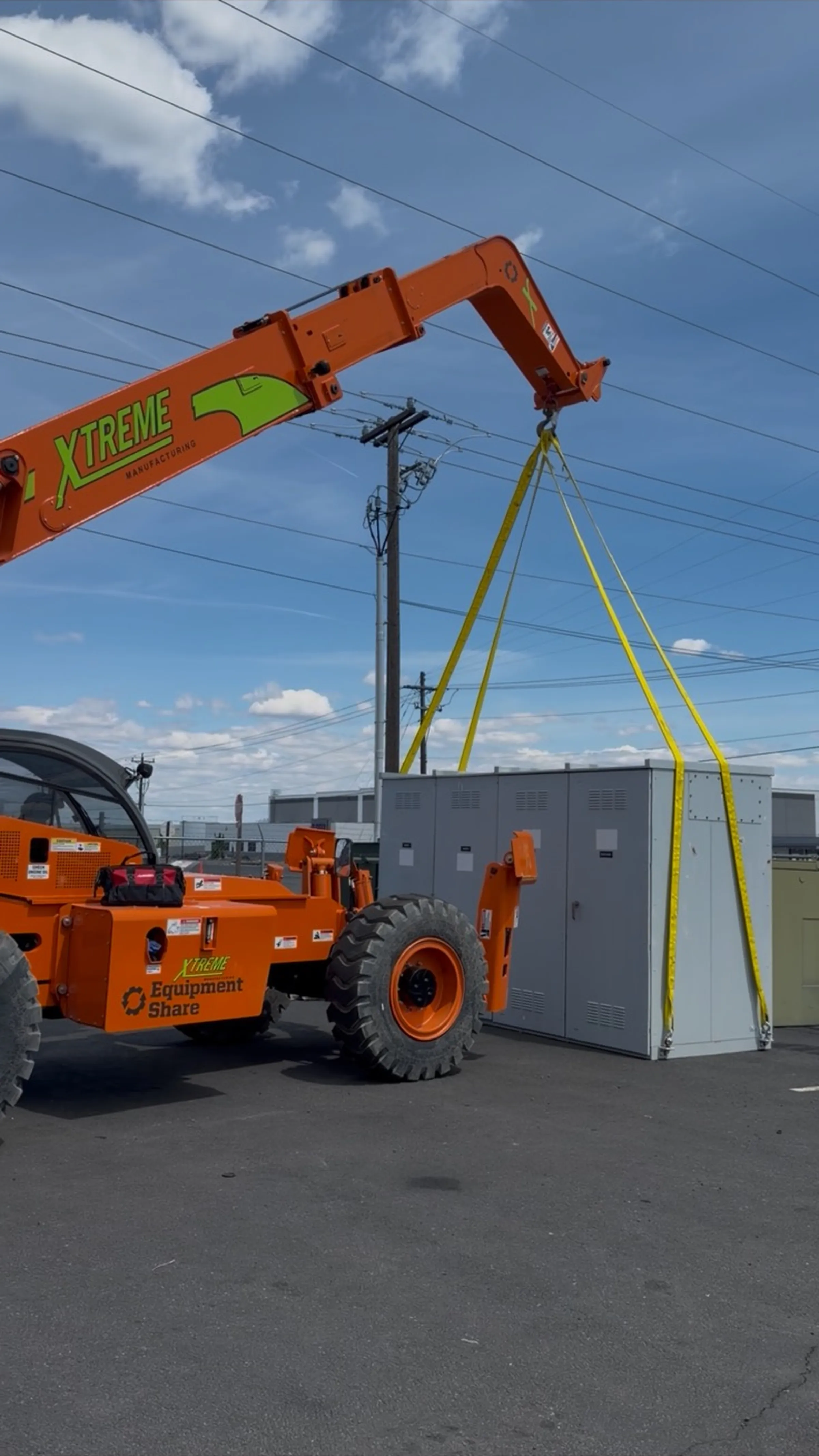
We arrange the crane, the permits and the flatbed, not you.
No broker fees
You are dealing with the buyer, so nothing is shaved off the offer.
How it works
Six steps from your yard to the money
- 01
Take pictures
The nameplate, the cabinet interior and the tank in daylight. Three photographs are usually enough to place a unit in the right class and the right price band.
- 02
Send them to us
The form on this page, a text or an email all reach the same desk. Include the city, the access and any deadline the site is working to.
- 03
Review the offer
A buyer reads the photographs, asks one or two questions and sends a written offer with the assumptions stated, so nothing changes on the day.
- 04
We schedule freight
Crane, flatbed and permits are booked around your access. You get a date and a window, and we carry the cost of getting it right.
- 05
Testing on arrival
Winding resistance, megger and turns ratio, plus oil analysis where the unit is liquid filled. The results decide the final number, and you see them.
- 06
Get paid
Payment is released on the agreed terms once the unit is received and tested, by check or ACH. No retention, no sixty-day terms.
What we handle for you
The parts sellers dread, done for you
Rigging
Crane and forklift arranged around your access, not the other way round.
Oil containment
Bunds, absorbent and disposal handled before the unit moves.
Bill of sale
A clean title document for your records, signed on collection.
PCB paperwork
Pre-1979 units get the testing and the manifest they need.
Situation
What estate liquidation means for a transformer
estate liquidation usually comes with a deadline somebody else set, and the pickup is planned backwards from it. A transformer that has been idle for two years may still be perfect, and the test sheet is how you find out.
A hot mechanical room quietly derates everything in it, and nobody notices until a unit fails early. A buyer who explains the reasoning gets a second call, and the second call is where the good units are.
The paperwork that has to be right
An estate sale produces units that are undocumented and well preserved, because nobody has touched them in years. A bill of sale written after the truck leaves is written from memory, and memory is unreliable.
A cyclic load leaves a different signature in the oil than a steady one, and the lab report shows it. The bill of sale fixes the moment risk moves, and that moment should be the moment the unit leaves the pad.
How the pickup runs
We do not send a broker with a clipboard. The person on site can confirm the number on the phone. A crane on the street needs a lane closure, and a lane closure needs a permit.
A tornado moves the building rather than the transformer, so access becomes the constraint. A rural site is often easier than an urban one, because there is room for a crane and nobody to complain about it.
What to send us first
A unit that was replaced during an upgrade is almost always a better buy than one that failed on a Tuesday. A mine-duty unit is designed to be dragged, and it looks it, which is not the same as being worn out.
Common questions
Other situations we handle
Get started
Get an offer in minutes
Five fields and a phone number is all we need to start. We reply the same business day, and a firm number follows the nameplate photo.
(614) 715-3047or send the form and we will call you.
Questions
What sellers ask before they call
Equipment types
Do you buy in a estate liquidation situation?
A unit with no tag is not a dead end; it is a unit that needs a tape measure and a close look at the bushings. The units that come out of estate liquidation are often untouched spares, which is the best kind of find. A transformer that is still bolted down belongs to the building until somebody unbolts it, and that is a decision.
Service area
Who signs the paperwork in a estate liquidation?
We turn down units that cannot be moved safely, and we say so before anybody spends money on a crane. If the unit was capitalised, the fixed asset register will hold the serial, the year and the cost centre, and that record is useful to both sides. A buyer who arrives unprepared wastes the site's morning, which is remembered long after the unit is gone.
Payment
How fast can you move in a estate liquidation?
Answers come back the same day in most cases, and the truck is scheduled the moment the paperwork is signed. estate liquidation often means multiple units, and a mixed lot moves faster than a single unit because the truck is already there. A desk that buys for its own account answers with a figure rather than a promise to find one.