We handle the freight
Sell a Transformer in Appalachian Ohio
Padmount, substation and dry-type units bought across Appalachian Ohio, with rigging and freight arranged.
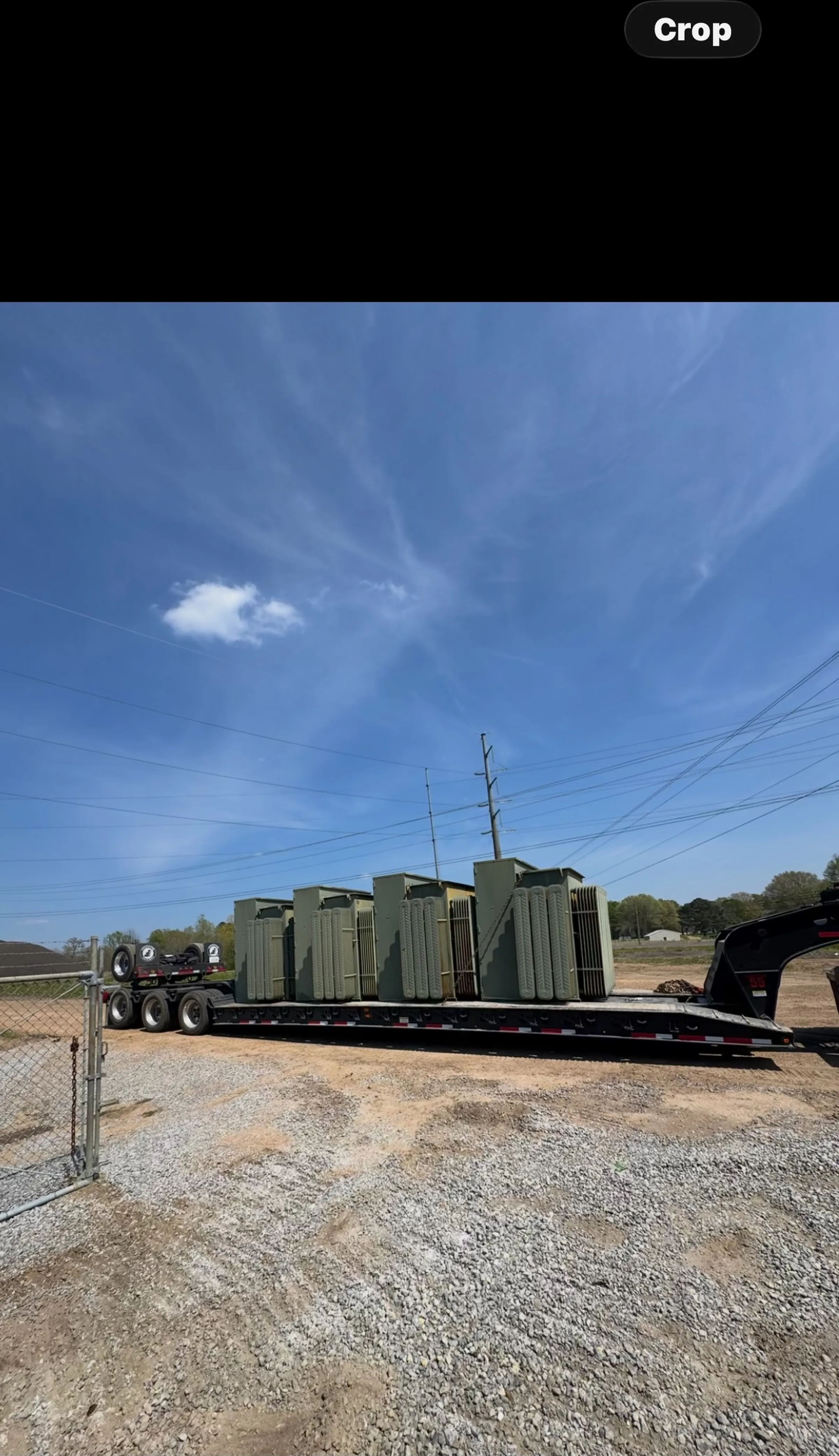
What we buy
What we buy here
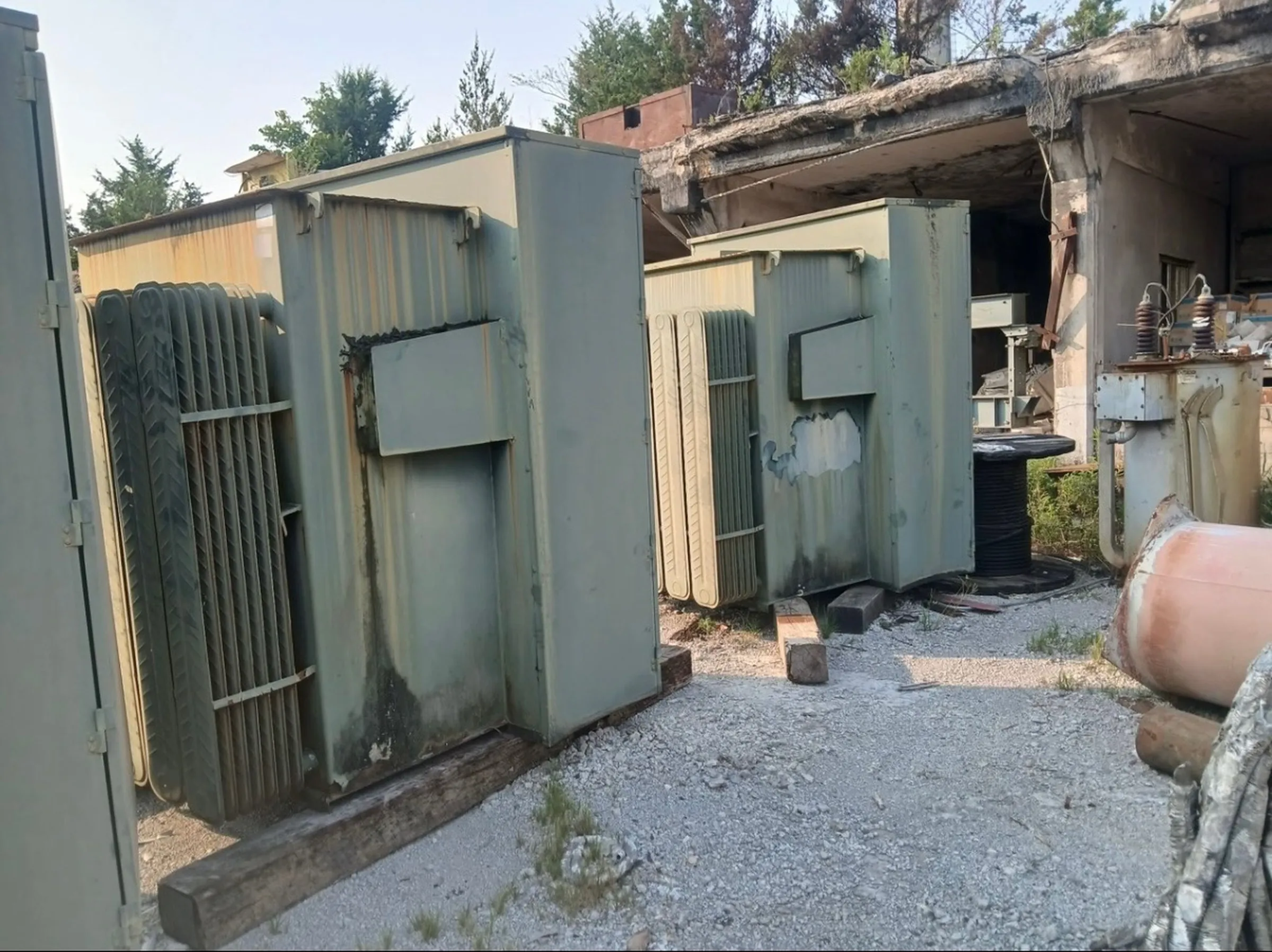
Who we buy from
Six kinds of seller, one desk
- Recyclers
- Electrical contractors
- Equipment dealers
- End users
- Demo contractors
- Distributors
Fast offers
A nameplate photo is usually enough to price a unit the same day.
Dedicated logistics
We arrange the crane, the permits and the flatbed, not you.
No broker fees
You are dealing with the buyer, so nothing is shaved off the offer.
How it works
Six steps from your yard to the money
- 01
Take pictures
The nameplate, the cabinet interior and the tank in daylight. Three photographs are usually enough to place a unit in the right class and the right price band.
- 02
Send them to us
The form on this page, a text or an email all reach the same desk. Include the city, the access and any deadline the site is working to.
- 03
Review the offer
A buyer reads the photographs, asks one or two questions and sends a written offer with the assumptions stated, so nothing changes on the day.
- 04
We schedule freight
Crane, flatbed and permits are booked around your access. You get a date and a window, and we carry the cost of getting it right.
- 05
Testing on arrival
Winding resistance, megger and turns ratio, plus oil analysis where the unit is liquid filled. The results decide the final number, and you see them.
- 06
Get paid
Payment is released on the agreed terms once the unit is received and tested, by check or ACH. No retention, no sixty-day terms.
What we handle for you
The parts sellers dread, done for you
Rigging
Crane and forklift arranged around your access, not the other way round.
Oil containment
Bunds, absorbent and disposal handled before the unit moves.
Bill of sale
A clean title document for your records, signed on collection.
PCB paperwork
Pre-1979 units get the testing and the manifest they need.
Region
Appalachian Ohio at a glance
The the utilities that serve the region feeder map explains most of the nameplates in Appalachian Ohio: distribution primary, low-side service voltage, and a size that matches the building behind it. A buyer who explains the reasoning gets a second call, and the second call is where the good units are.
A buyer who quotes without asking anything has quoted for a different transformer. A town that lost its main plant still has the substation that fed it, and that substation is where the surplus is.
What the region holds
A dual-voltage primary is more flexible and therefore easier to place than a single-voltage one. A dry-type with dust on the windings has been in a room nobody cleaned, and the dust holds moisture.
A transformer energized on a light load first gives the unit a chance to settle and the protection a chance to hold. Impedance is the figure that decides whether the existing protection still works, and it is printed on the tag.
Appalachian Ohio's terrain makes a crane setup harder than the transformer itself, and the units there are older, smaller and often undocumented.
Logistics across the region
Access in Appalachian Ohio is rarely the problem; the problem is the overhead primary that runs directly over the pad. Spreader bars keep the slings off the cabinet, and the cabinet is where the damage shows.
A unit in a yard with a wide gate and a flat approach is worth more than the same unit behind a fence. A crane needs somewhere to stand, and the place it needs is rarely the place the site manager had in mind.
What we buy here
A decision made on a photograph is reversible; a decision made after the truck arrives is not. A buyer who turns up with a torch and a tape measure is not there to argue about the paint.
A seller with a deadline should say so early, because the schedule is built around the date rather than the unit. The difference between a good and a bad purchase is usually information rather than luck.
Counties in Appalachian Ohio
Cities we cover in Appalachian Ohio
An insurance salvage is bought on the adjuster's valuation rather than the seller's hope, which keeps the process honest. A cabinet that has been opened recently has probably been looked at by somebody who knew why.
Questions from the region
Get started
Get an offer in minutes
Five fields and a phone number is all we need to start. We reply the same business day, and a firm number follows the nameplate photo.
(614) 715-3047or send the form and we will call you.
Questions
What sellers ask before they call
Equipment types
Do you cover every county in Appalachian Ohio?
When the answer is no, it is usually about the core, the oil or the access, and we name which one. We do not buy in Pennsylvania, Michigan, Kentucky, Indiana or West Virginia, and we say so rather than waste a seller's week. Paint is a cosmetic question, and seam rust is a structural one, and the two are often confused.
Service area
How far will you travel for one unit?
A buyer who says yes to everything is not a buyer; the useful answer explains what would have to be true for the number to rise. If the building changes hands at the end of the month, say so at the start and the schedule gets built backwards from that date. A seller who mentions the deadline in the first sentence gets a schedule rather than a queue.
Payment
What kinds of units turn up in Appalachian Ohio?
The only thing that changes a quote afterwards is something the photographs did not show, which is why we ask early. The choice in Appalachian Ohio usually comes down to a scrap number now against a buyer's number this week, and the gap is worth a phone call. A unit substation is convenient in service and awkward to move, because the sections are bolted together.