No fees, no broker
Sell a Transformer in Newark, Ohio
Padmount, substation and dry-type units bought in Newark, Ohio, with rigging and freight arranged.
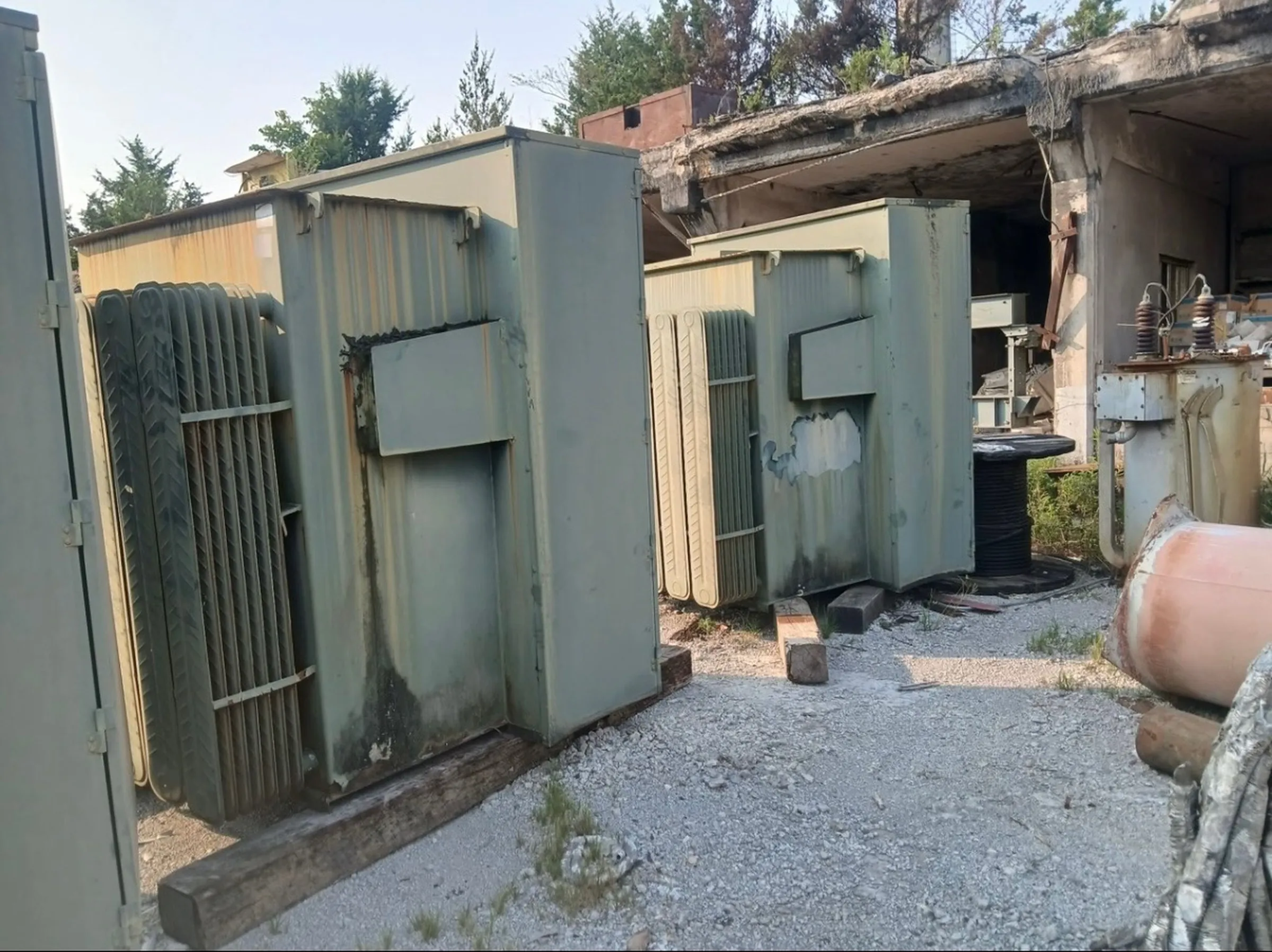
What we buy
What we buy here
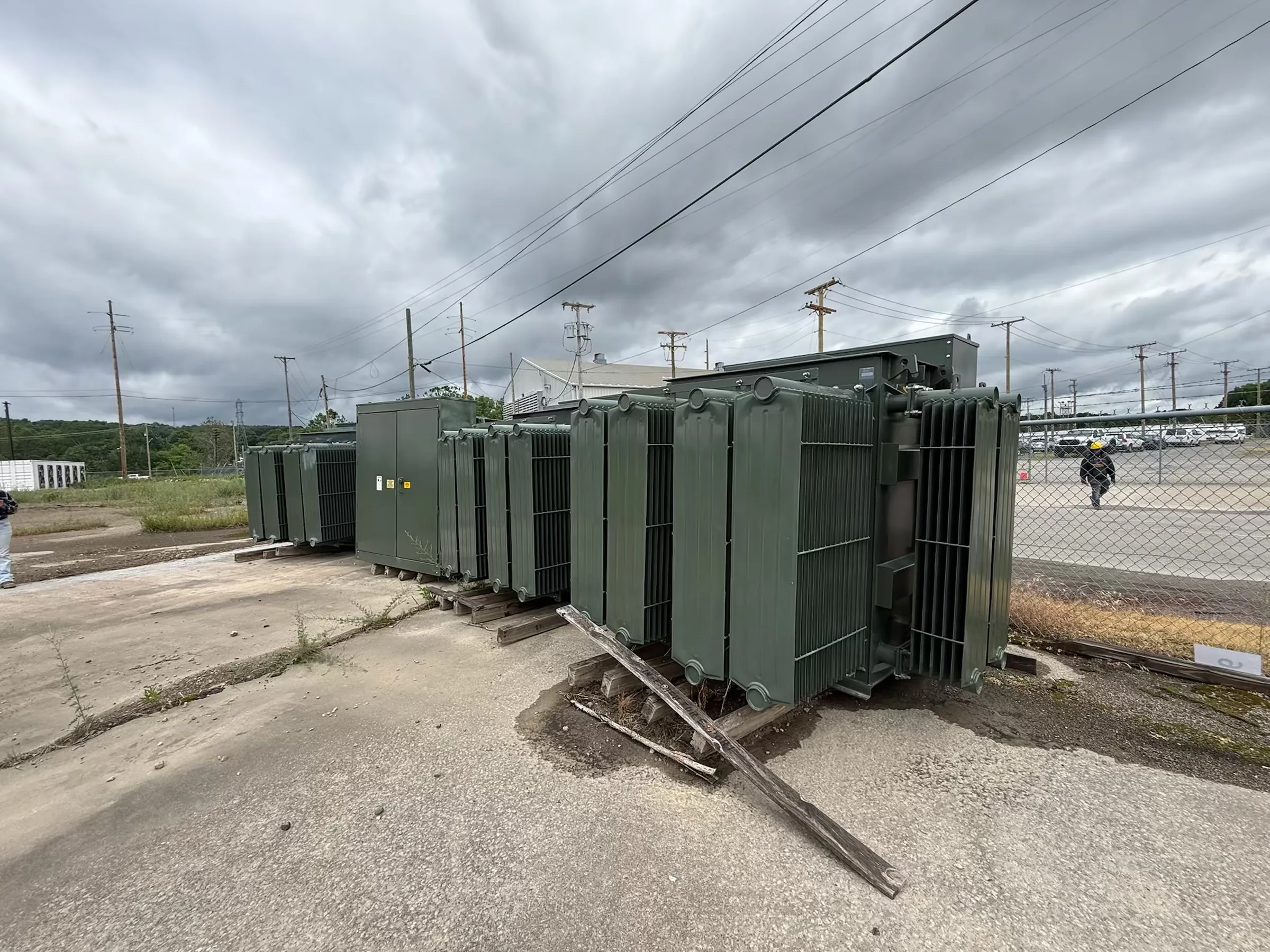
Who we buy from
Six kinds of seller, one desk
- Recyclers
- Electrical contractors
- Equipment dealers
- End users
- Demo contractors
- Distributors
Fast offers
A nameplate photo is usually enough to price a unit the same day.
Dedicated logistics
We arrange the crane, the permits and the flatbed, not you.
No broker fees
You are dealing with the buyer, so nothing is shaved off the offer.
How it works
Six steps from your yard to the money
- 01
Take pictures
The nameplate, the cabinet interior and the tank in daylight. Three photographs are usually enough to place a unit in the right class and the right price band.
- 02
Send them to us
The form on this page, a text or an email all reach the same desk. Include the city, the access and any deadline the site is working to.
- 03
Review the offer
A buyer reads the photographs, asks one or two questions and sends a written offer with the assumptions stated, so nothing changes on the day.
- 04
We schedule freight
Crane, flatbed and permits are booked around your access. You get a date and a window, and we carry the cost of getting it right.
- 05
Testing on arrival
Winding resistance, megger and turns ratio, plus oil analysis where the unit is liquid filled. The results decide the final number, and you see them.
- 06
Get paid
Payment is released on the agreed terms once the unit is received and tested, by check or ACH. No retention, no sixty-day terms.
What we handle for you
The parts sellers dread, done for you
Rigging
Crane and forklift arranged around your access, not the other way round.
Oil containment
Bunds, absorbent and disposal handled before the unit moves.
Bill of sale
A clean title document for your records, signed on collection.
PCB paperwork
Pre-1979 units get the testing and the manifest they need.
Licking County
Newark and the system behind it
Supply into Newark comes off AEP Ohio lines, so a unit being retired there is almost always a distribution-class primary with a 480 or 208-volt secondary. A transformer that has run at a steady percentage of nameplate usually has cleaner oil than one that cycled hard.
Radiator fins that have been crushed in transit lose capacity permanently and do not announce it. A dry-type in a damp room fails from the room rather than from the load.
The industrial base that holds the transformers
The work is unglamorous and the equipment is heavy, which is why so few people do it properly. A substation unit is a project rather than a purchase, and it should be planned like one.
A unit that was replaced during an upgrade is almost always a better buy than one that failed on a Tuesday. A seller who sends four photographs at the start usually gets a decision the same day.
Newark's glass and aerospace work keeps a steady demand for reliable service, which is why units there are replaced before they fail rather than after.
Rail, road and the last hundred feet
If a unit has to leave Newark by rail, the loading window belongs to the Ohio Central Railroad rather than to us, and we plan around it. A gate that is four inches too narrow turns a morning into a week.
A lift over a fence needs a crane with reach, and reach costs more than capacity. A site with two gates is a site with options, and options are what a rigging plan needs.
What we look for in Newark
A seller with a deadline should say so early, because the schedule is built around the date rather than the unit. Every county in Ohio has a slightly different way of doing things, and a buyer who works statewide learns them all.
The unit will outlast the building it serves, which is why so many of them change hands. Most of what a buyer needs to know is stamped on a plate the size of a postcard.
Moving a unit out of Licking County
A unit on timber skids is easy; a unit bolted to a concrete pad needs a lift, not a drag. A pad that has been used for storage for a decade will need clearing before a crane can set up.
What a unit in Newark is worth
Questions from Newark sellers
Nearby coverage
Get started
Get an offer in minutes
Five fields and a phone number is all we need to start. We reply the same business day, and a firm number follows the nameplate photo.
(614) 715-3047or send the form and we will call you.
Questions
What sellers ask before they call
Equipment types
Do you buy transformers in Newark?
There is no pressure to accept on the call; the number holds for a set period and you can test it against another buyer. One desk, one state, one set of hauling relationships, which is why a Newark pickup does not need a national carrier. A unit with elevated gas that has been stable for a decade is a different proposition from one where the figure doubled.
Service area
Which utility serves Newark, and does that matter?
Site names, addresses and photographs stay in the file, and the file does not leave the desk. Where Newark has its own municipal system, the utility transformer and the customer transformer are two assets with two different owners and two different files. A unit that came out of a working plant is almost always the better buy, and sellers rarely realise it.
Payment
How do you get a heavy unit out of Newark?
You are paid when the unit leaves the pad, not thirty days after it arrives somewhere else. Access in Newark is rarely the problem; the problem is the overhead primary that runs directly over the pad. A tank that has been repainted recently deserves a closer look than one that has not.