Paid on pickup
Sell a Transformer in London, Ohio
Padmount, substation and dry-type units bought in London, Ohio, with rigging and freight arranged.
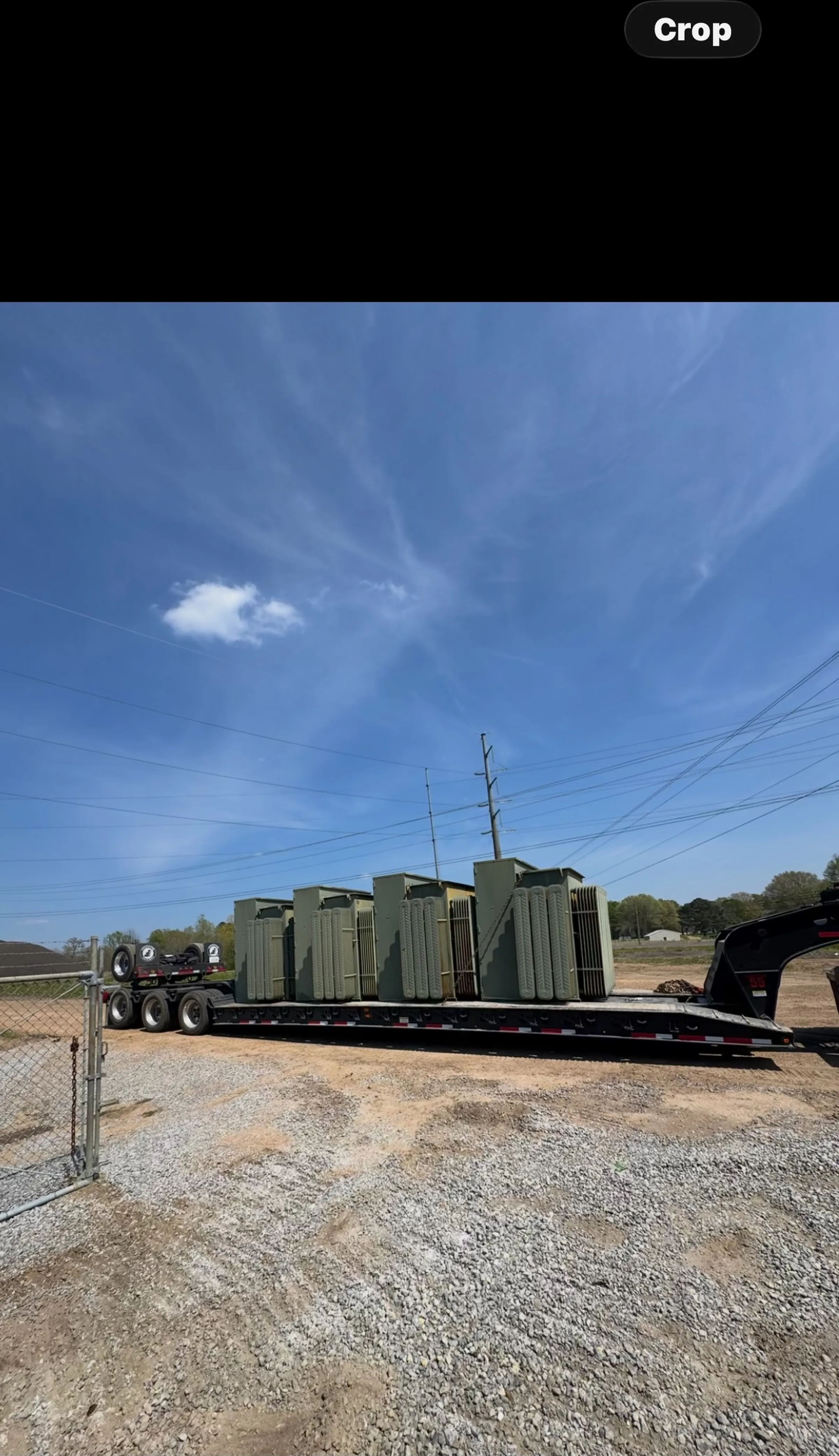
What we buy
What we buy here
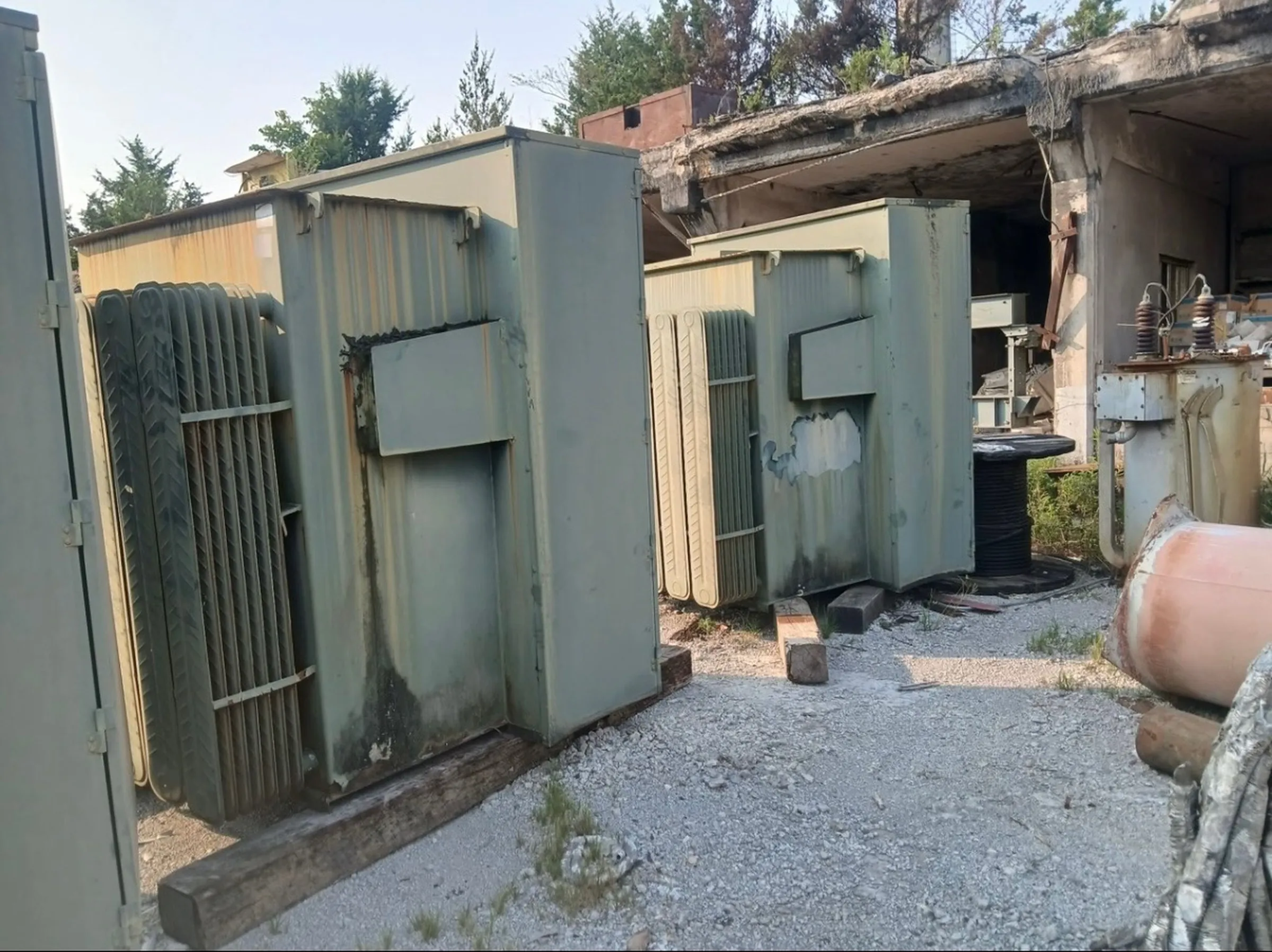
Who we buy from
Six kinds of seller, one desk
- Recyclers
- Electrical contractors
- Equipment dealers
- End users
- Demo contractors
- Distributors
Fast offers
A nameplate photo is usually enough to price a unit the same day.
Dedicated logistics
We arrange the crane, the permits and the flatbed, not you.
No broker fees
You are dealing with the buyer, so nothing is shaved off the offer.
How it works
Six steps from your yard to the money
- 01
Take pictures
The nameplate, the cabinet interior and the tank in daylight. Three photographs are usually enough to place a unit in the right class and the right price band.
- 02
Send them to us
The form on this page, a text or an email all reach the same desk. Include the city, the access and any deadline the site is working to.
- 03
Review the offer
A buyer reads the photographs, asks one or two questions and sends a written offer with the assumptions stated, so nothing changes on the day.
- 04
We schedule freight
Crane, flatbed and permits are booked around your access. You get a date and a window, and we carry the cost of getting it right.
- 05
Testing on arrival
Winding resistance, megger and turns ratio, plus oil analysis where the unit is liquid filled. The results decide the final number, and you see them.
- 06
Get paid
Payment is released on the agreed terms once the unit is received and tested, by check or ACH. No retention, no sixty-day terms.
What we handle for you
The parts sellers dread, done for you
Rigging
Crane and forklift arranged around your access, not the other way round.
Oil containment
Bunds, absorbent and disposal handled before the unit moves.
Bill of sale
A clean title document for your records, signed on collection.
PCB paperwork
Pre-1979 units get the testing and the manifest they need.
Madison County
London and the system behind it
A AEP Ohio upgrade in London is one of the most common reasons a perfectly serviceable transformer ends up surplus. A zig-zag unit does not supply load, which is the single most misunderstood fact about it.
A unit with a crushed radiator bank has lost capacity that the tag still claims. A dry-type in a damp room fails from the room rather than from the load.
The industrial base that holds the transformers
Every county in Ohio has a different mix of utility ownership, and that mix decides who signs what. Paint is a cosmetic question, and seam rust is a structural one, and the two are often confused.
A mine-duty unit is designed to be dragged, and it looks it, which is not the same as being worn out. A decision made on a photograph is reversible; a decision made after the truck arrives is not.
London sits on I-70 between Columbus and Dayton, and the distribution centres there have put a lot of new padmount capacity into Madison County.
Rail, road and the last hundred feet
The port side of the state matters for imported units, and London is far enough inland that most of what we buy there arrived by road in the first place. A site with a hard deadline should be scheduled backwards from the crane, not forwards from the phone call.
A rigging plan written on the back of an envelope is the reason some lifts take two attempts. A crane set up on a slope will not lift what its chart says, and the operator will say so before the lift.
What we look for in London
A number is only as good as the description behind it, which is why the questions are short and specific. A purchase is a handover of risk as much as a handover of metal.
A unit substation is convenient in service and awkward to move, because the sections are bolted together. A unit with elevated gas that has been stable for a decade is a different proposition from one where the figure doubled.
Moving a unit out of Madison County
Ground bearing capacity decides whether a crane sets up on the pad or has to work from the road. A gate that is four inches too narrow turns a morning into a week.
What a unit in London is worth
Questions from London sellers
Nearby coverage
Get started
Get an offer in minutes
Five fields and a phone number is all we need to start. We reply the same business day, and a firm number follows the nameplate photo.
(614) 715-3047or send the form and we will call you.
Questions
What sellers ask before they call
Equipment types
Do you buy transformers in London?
We ask what the unit is, where it sits, and what has to happen before it can leave; the rest is scheduling and signatures. We buy in Ohio and only in Ohio, which is why a truck can be at a London gate the same week the number is agreed. A seller who mentions the deadline in the first sentence gets a schedule rather than a queue.
Service area
Which utility serves London, and does that matter?
Site names, addresses and photographs stay in the file, and the file does not leave the desk. AEP Ohio runs the circuits that feed most of London, so the primary voltage on a unit coming out of there is usually distribution class rather than transmission class. A seller with a deadline should say so early, because the schedule is built around the date rather than the unit.
Payment
How do you get a heavy unit out of London?
Ohio only is not a limitation for us, it is why the logistics work: the crews, the cranes and the permits are all in-state. The tight spots in London are the older plant sites, where the pad was poured before anybody thought about a forty-foot trailer. A substation-class unit sits between what a plant can maintain and what a utility would own, which is why it changes hands.