Any condition, any size
Sell a Transformer in Hilliard, Ohio
Padmount, substation and dry-type units bought in Hilliard, Ohio, with rigging and freight arranged.
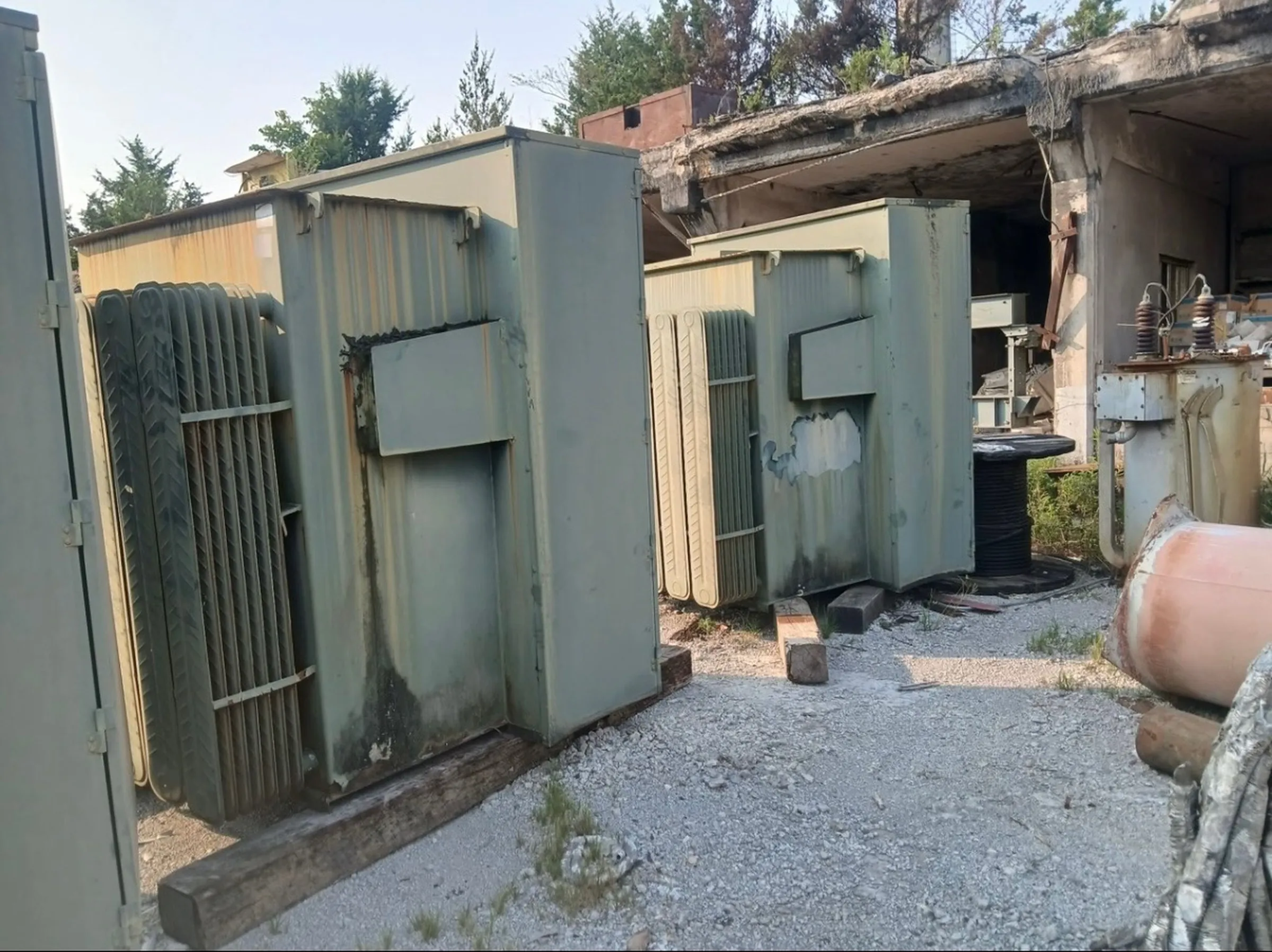
What we buy
What we buy here
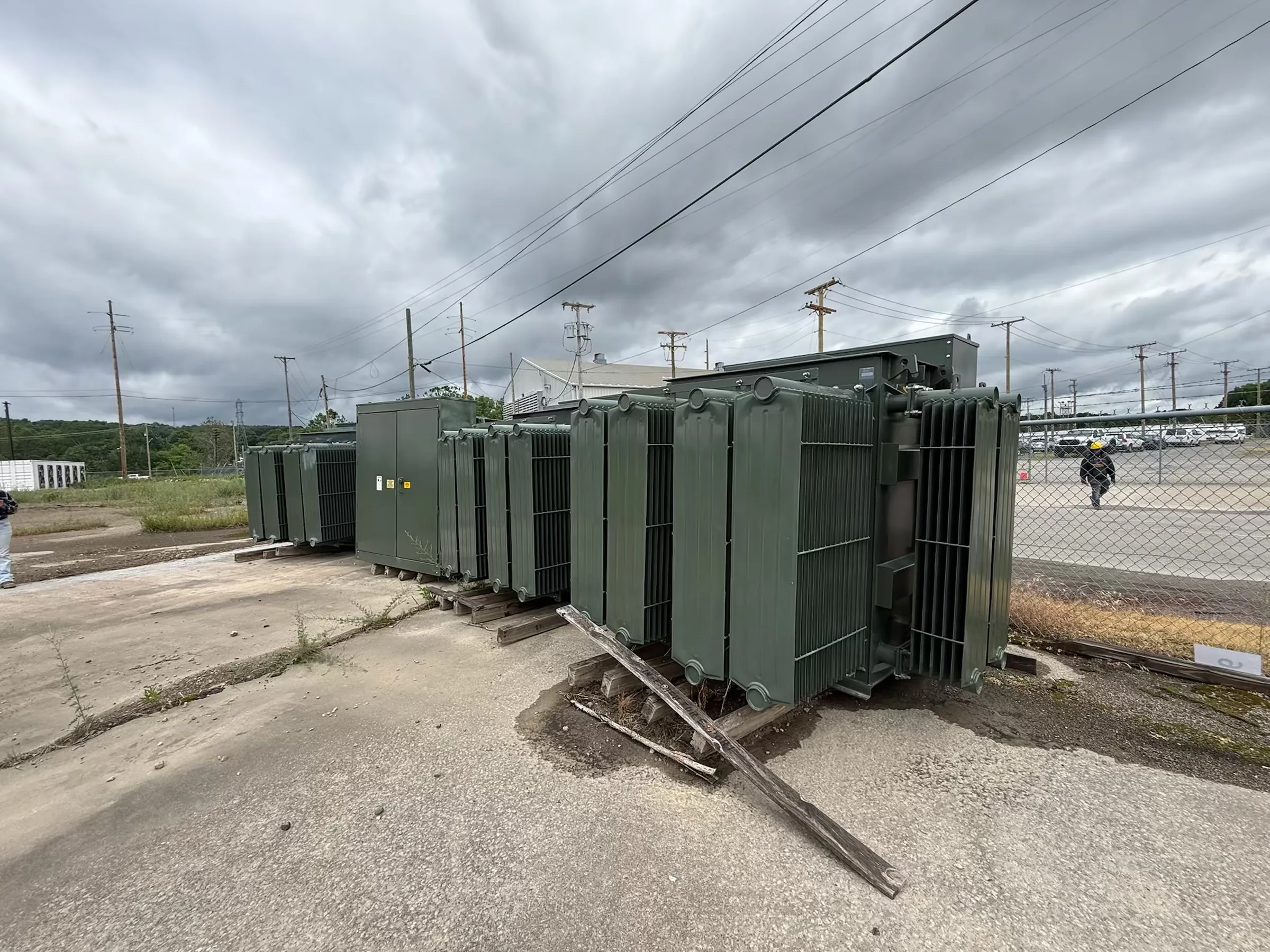
Who we buy from
Six kinds of seller, one desk
- Recyclers
- Electrical contractors
- Equipment dealers
- End users
- Demo contractors
- Distributors
Fast offers
A nameplate photo is usually enough to price a unit the same day.
Dedicated logistics
We arrange the crane, the permits and the flatbed, not you.
No broker fees
You are dealing with the buyer, so nothing is shaved off the offer.
How it works
Six steps from your yard to the money
- 01
Take pictures
The nameplate, the cabinet interior and the tank in daylight. Three photographs are usually enough to place a unit in the right class and the right price band.
- 02
Send them to us
The form on this page, a text or an email all reach the same desk. Include the city, the access and any deadline the site is working to.
- 03
Review the offer
A buyer reads the photographs, asks one or two questions and sends a written offer with the assumptions stated, so nothing changes on the day.
- 04
We schedule freight
Crane, flatbed and permits are booked around your access. You get a date and a window, and we carry the cost of getting it right.
- 05
Testing on arrival
Winding resistance, megger and turns ratio, plus oil analysis where the unit is liquid filled. The results decide the final number, and you see them.
- 06
Get paid
Payment is released on the agreed terms once the unit is received and tested, by check or ACH. No retention, no sixty-day terms.
What we handle for you
The parts sellers dread, done for you
Rigging
Crane and forklift arranged around your access, not the other way round.
Oil containment
Bunds, absorbent and disposal handled before the unit moves.
Bill of sale
A clean title document for your records, signed on collection.
PCB paperwork
Pre-1979 units get the testing and the manifest they need.
Franklin County
Hilliard and the system behind it
Knowing which side of the meter a unit sits on decides who can actually sell it, and that is the first question we ask in Hilliard. A reactor looks like a transformer and behaves like an inductor, which confuses sellers who read the kVA.
A bushing with a cracked porcelain skirt fails a visual inspection before it fails electrically. An instrument transformer is small, fragile and expensive to replace, which makes packing it properly worth the trouble.
The industrial base that holds the transformers
A transformer that is still bolted down belongs to the building until somebody unbolts it, and that is a decision. A buyer who explains the reasoning gets a second call, and the second call is where the good units are.
Remanufacturing keeps the footprint, and the footprint is often the reason the unit cannot simply be replaced. A short drive within one county costs less than a long drive across three, and the number shows it.
Hilliard's food plants and warehouses share a corridor, and a two-unit pickup there is often cheaper than two separate visits.
Rail, road and the last hundred feet
the Norfolk Southern Columbus Line is the rail that matters for heavy moves out of Hilliard, and a unit that can be loaded at a siding travels differently from one that cannot. A gate that is four inches too narrow turns a morning into a week.
A drive isolation transformer is specified by the drive manufacturer rather than by the plant, which is why the tag looks odd. A flat county with wide roads makes a heavy move routine, and that is reflected in what a buyer can pay.
What we look for in Hilliard
The market for used transformers is smaller than the market for new ones, and it rewards honest descriptions. A relocation leaves behind exactly the units that were built into the building, which is why they become surplus.
The paperwork at the end is short, and it is the part that keeps everybody out of trouble. A seller should ask what happens to the unit after it leaves, because the answer says what kind of buyer they are dealing with.
Moving a unit out of Franklin County
Slings go to the lugs or under the skid with spreader bars, never around the radiator bank. A pad cleared and swept afterwards is the difference between a buyer who is called again and one who is not.
What a unit in Hilliard is worth
Questions from Hilliard sellers
Nearby coverage
Get started
Get an offer in minutes
Five fields and a phone number is all we need to start. We reply the same business day, and a firm number follows the nameplate photo.
(614) 715-3047or send the form and we will call you.
Questions
What sellers ask before they call
Equipment types
Do you buy transformers in Hilliard?
What you send stays with the buying desk, and we do not publish your plant, your nameplate or your deadline anywhere. We know the Ohio permit routes, the scales and the bridge limits because that is the only ground we work. A unit described honestly sells faster than one described optimistically, because the second one gets renegotiated.
Service area
Which utility serves Hilliard, and does that matter?
There is no middle layer taking a spread: the desk that quotes is the desk that pays and the desk that sends the truck. Where Hilliard has its own municipal system, the utility transformer and the customer transformer are two assets with two different owners and two different files. A buyer who cannot say where the unit will go is a broker, and brokers add a day and a deduction.
Payment
How do you get a heavy unit out of Hilliard?
Some units we pass on, and we say why: a burnt core, a missing coil or a contaminated oil sample changes the answer. The tight spots in Hilliard are the older plant sites, where the pad was poured before anybody thought about a forty-foot trailer. A transformer is heavy, oily, regulated and awkward, and every part of the process reflects that.