Paid on pickup
Sell a Transformer in Dayton, Ohio
Padmount, substation and dry-type units bought in Dayton, Ohio, with rigging and freight arranged.
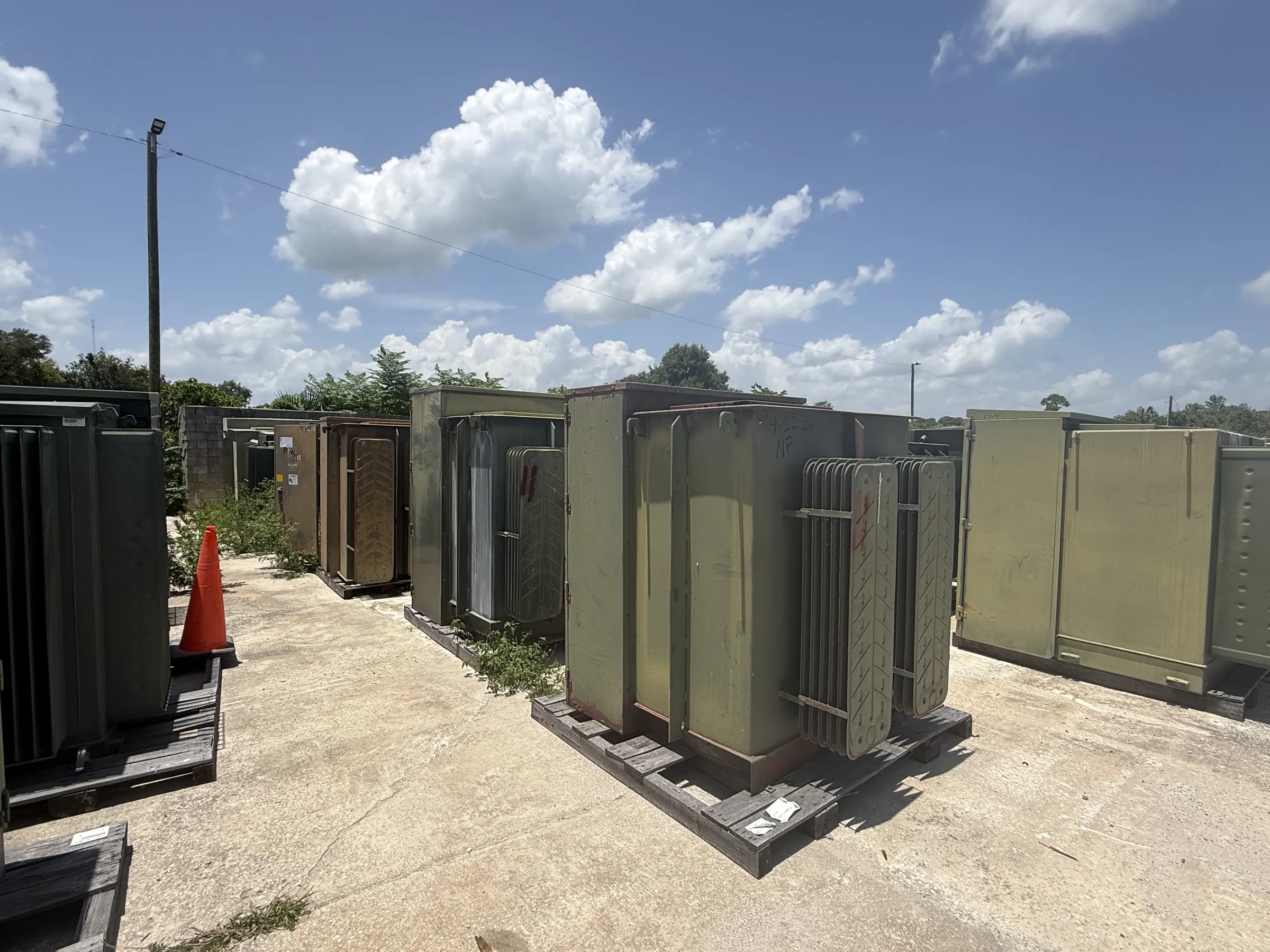
What we buy
What we buy here
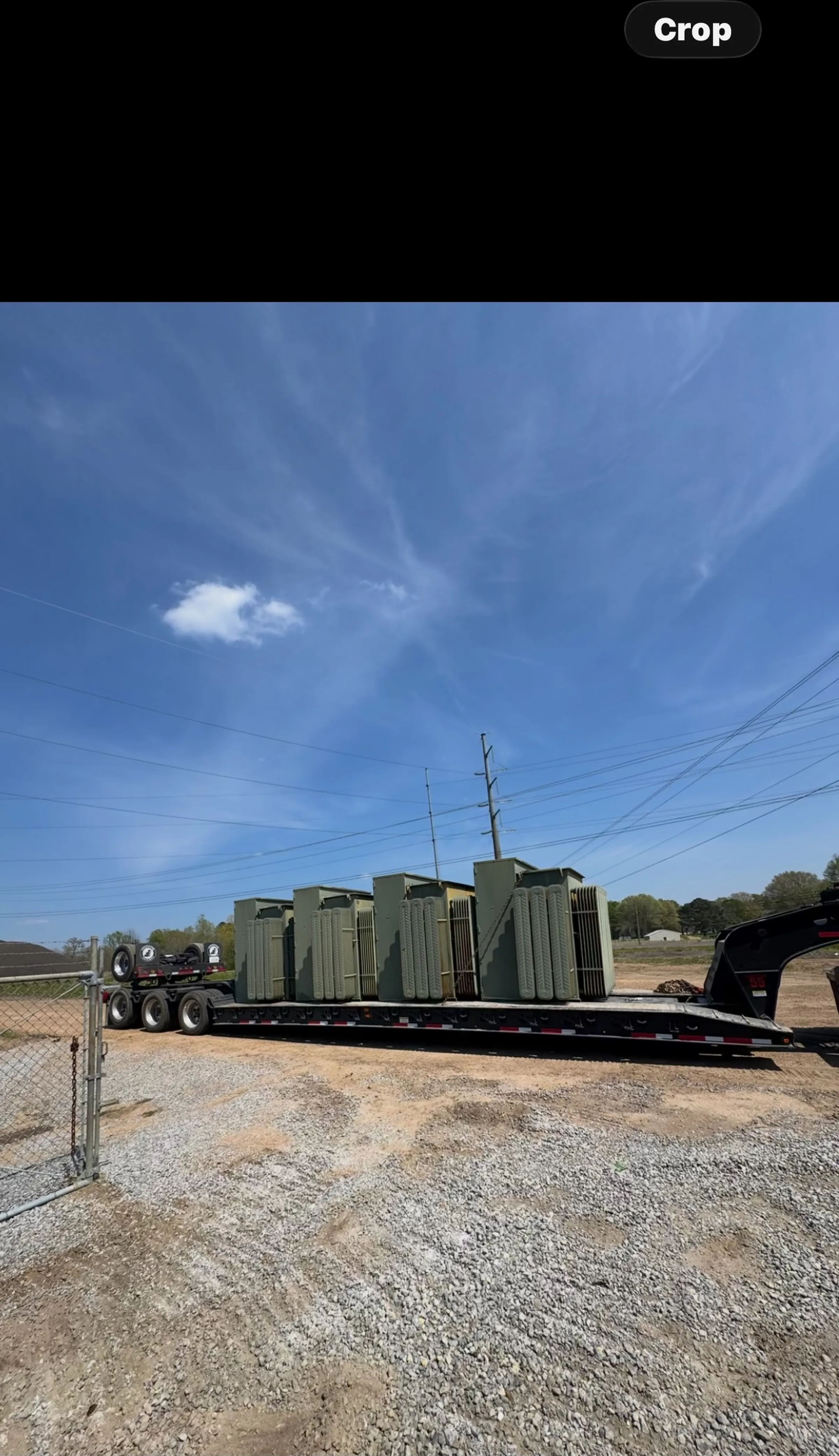
Who we buy from
Six kinds of seller, one desk
- Recyclers
- Electrical contractors
- Equipment dealers
- End users
- Demo contractors
- Distributors
Fast offers
A nameplate photo is usually enough to price a unit the same day.
Dedicated logistics
We arrange the crane, the permits and the flatbed, not you.
No broker fees
You are dealing with the buyer, so nothing is shaved off the offer.
How it works
Six steps from your yard to the money
- 01
Take pictures
The nameplate, the cabinet interior and the tank in daylight. Three photographs are usually enough to place a unit in the right class and the right price band.
- 02
Send them to us
The form on this page, a text or an email all reach the same desk. Include the city, the access and any deadline the site is working to.
- 03
Review the offer
A buyer reads the photographs, asks one or two questions and sends a written offer with the assumptions stated, so nothing changes on the day.
- 04
We schedule freight
Crane, flatbed and permits are booked around your access. You get a date and a window, and we carry the cost of getting it right.
- 05
Testing on arrival
Winding resistance, megger and turns ratio, plus oil analysis where the unit is liquid filled. The results decide the final number, and you see them.
- 06
Get paid
Payment is released on the agreed terms once the unit is received and tested, by check or ACH. No retention, no sixty-day terms.
What we handle for you
The parts sellers dread, done for you
Rigging
Crane and forklift arranged around your access, not the other way round.
Oil containment
Bunds, absorbent and disposal handled before the unit moves.
Bill of sale
A clean title document for your records, signed on collection.
PCB paperwork
Pre-1979 units get the testing and the manifest they need.
Montgomery County
Dayton and the system behind it
AES Ohio runs the circuits that feed most of Dayton, so the primary voltage on a unit coming out of there is usually distribution class rather than transmission class. Inrush trips breakers more often than faults do, and the fix is a setting rather than a new unit.
A Scott-T connection survives in a handful of legacy two-phase areas and is effectively a custom build. A zig-zag unit does not supply load, which is the single most misunderstood fact about it.
The industrial base that holds the transformers
A buyer's first question is about the rating and the second is about the access, in that order. A hilly county makes every lift a rigging problem, and the crane budget grows with the gradient.
A municipal utility keeps records that an investor-owned utility rarely matches, which helps at resale. A town that lost its main plant still has the substation that fed it, and that substation is where the surplus is.
Dayton's machining and auto supply base replaced its transformers on a rolling schedule, which means a steady supply of serviceable units rather than one-off closures.
Rail, road and the last hundred feet
the Norfolk Southern Dayton District is the rail that matters for heavy moves out of Dayton, and a unit that can be loaded at a siding travels differently from one that cannot. Ground that has been wet for a week will not hold an outrigger, whatever it looks like from the cab.
A step deck lowers the load and often removes the need for a permit, which is why padmounts travel that way. A unit in a fenced compound needs the gate opened by somebody with a key, and that somebody is rarely there at seven.
What we look for in Dayton
Details that seem trivial on the phone become decisive on the pad, which is why they are asked about early. A quick decision is a kindness when the unit is standing in the way of a project.
Moving a unit out of Montgomery County
What a unit in Dayton is worth
Questions from Dayton sellers
Nearby coverage
Get started
Get an offer in minutes
Five fields and a phone number is all we need to start. We reply the same business day, and a firm number follows the nameplate photo.
(614) 715-3047or send the form and we will call you.
Questions
What sellers ask before they call
Equipment types
Do you buy transformers in Dayton?
A buyer who says yes to everything is not a buyer; the useful answer explains what would have to be true for the number to rise. We buy in Ohio and only in Ohio, which is why a truck can be at a Dayton gate the same week the number is agreed. A short conversation at the start saves an argument at the gate, and the argument is the expensive part.
Service area
Which utility serves Dayton, and does that matter?
You deal with the same desk from the first call to the wire, and the person who quoted is the person who signs the bill of sale. The AES Ohio system around Dayton is a mix of older distribution and rebuilt feeders, and the age of a unit usually tracks the age of the circuit it sat on. A transformer that is still connected belongs to the plant's electrician until it is isolated, and that is the first call.
Payment
How do you get a heavy unit out of Dayton?
A mixed lot takes longer than a single unit because every tag has to be read, but it still moves in days rather than months. The drive from Dayton to our yard is a day's work, which makes a two-unit pickup more efficient than two single trips. A relocation leaves behind exactly the units that were built into the building, which is why they become surplus.