Cash on collection
Sell a Transformer in Ashtabula, Ohio
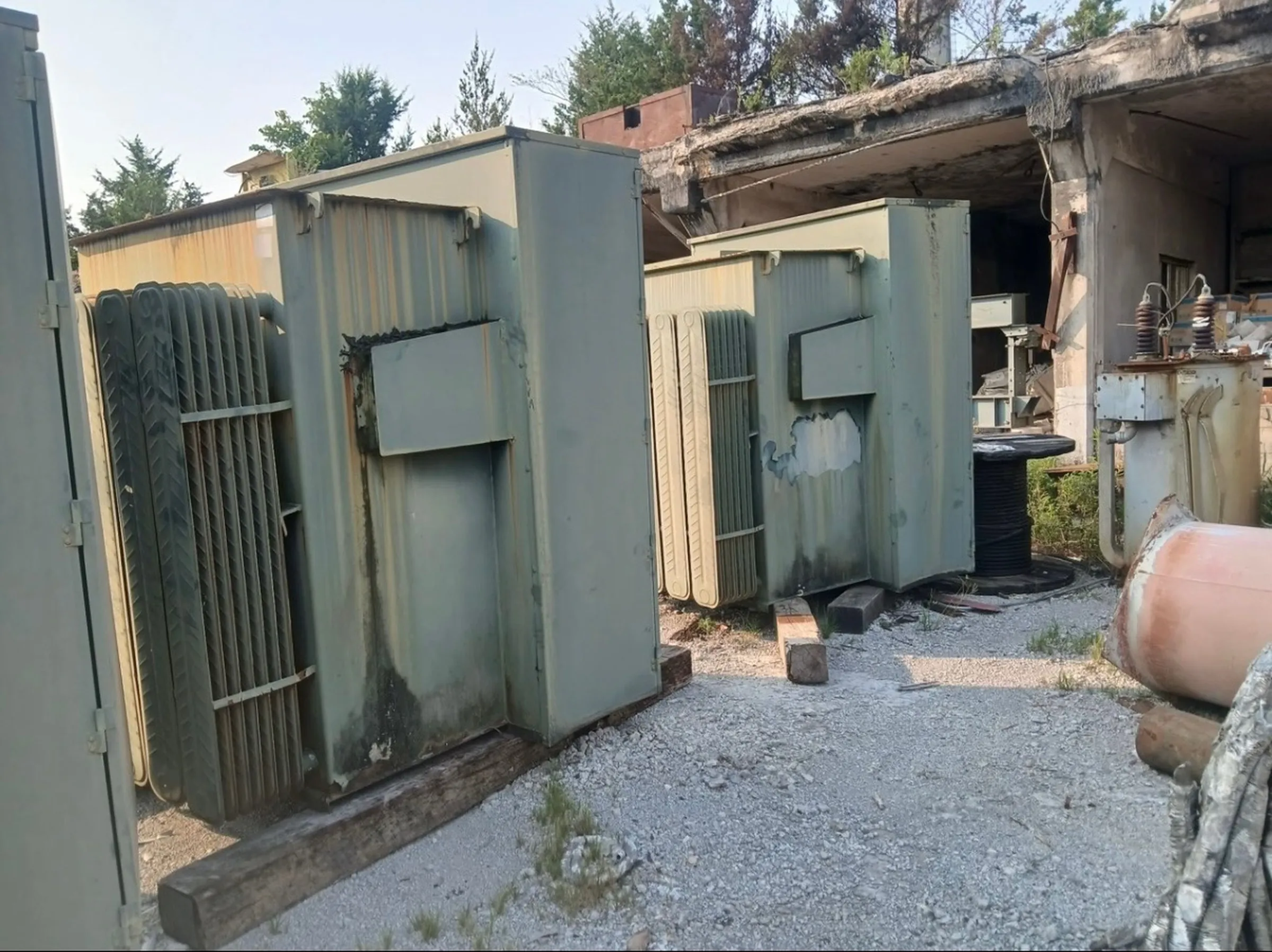
Padmount, substation and dry-type units bought in Ashtabula, Ohio, with rigging and freight arranged.
What we buy
What we buy here
Who we buy from
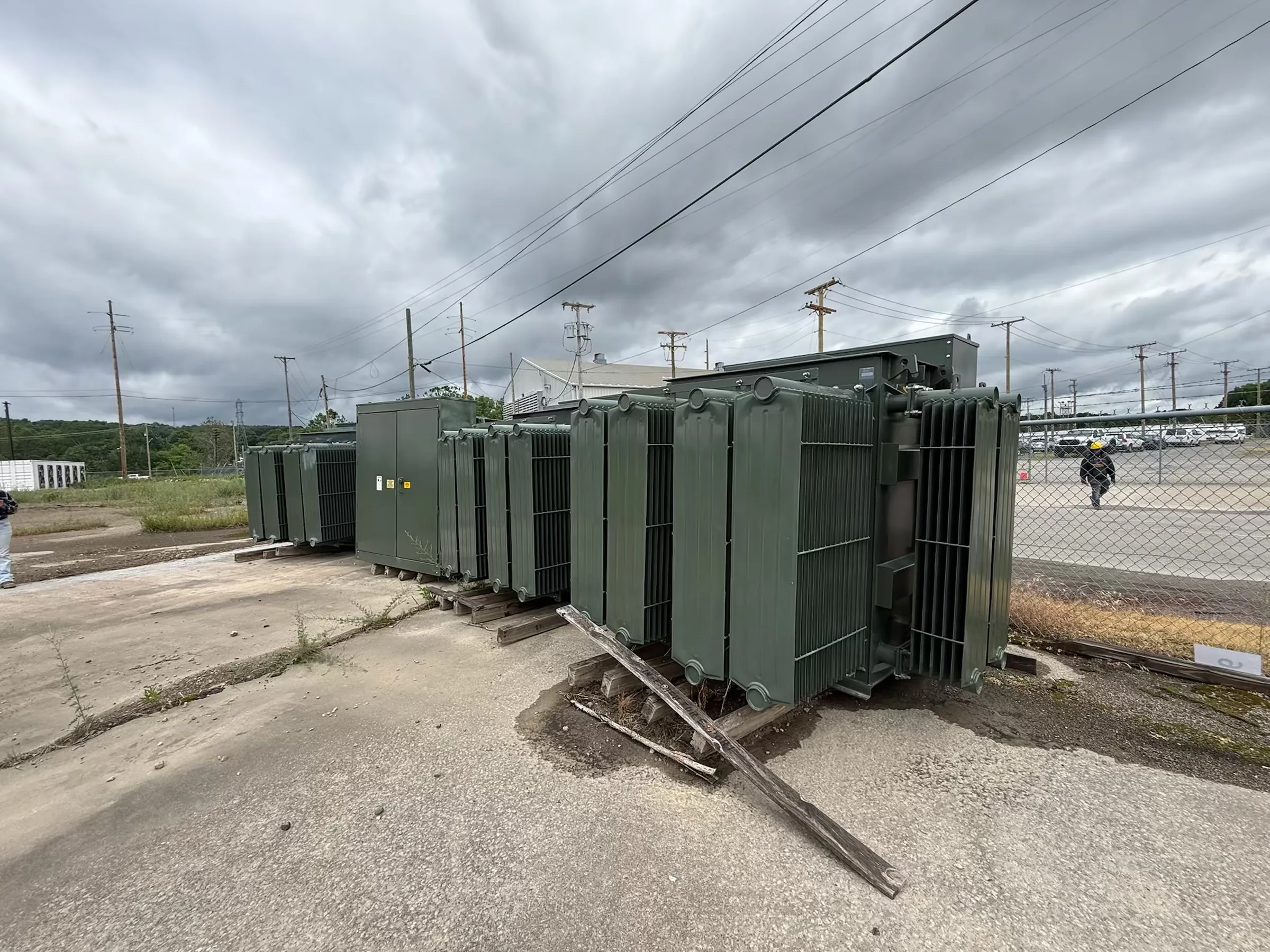
Six kinds of seller, one desk
- Recyclers
- Electrical contractors
- Equipment dealers
- End users
- Demo contractors
- Distributors
Fast offers
A nameplate photo is usually enough to price a unit the same day.
Dedicated logistics
We arrange the crane, the permits and the flatbed, not you.
No broker fees
You are dealing with the buyer, so nothing is shaved off the offer.
How it works
Six steps from your yard to the money
- 01
Take pictures
The nameplate, the cabinet interior and the tank in daylight. Three photographs are usually enough to place a unit in the right class and the right price band.
- 02
Send them to us
The form on this page, a text or an email all reach the same desk. Include the city, the access and any deadline the site is working to.
- 03
Review the offer
A buyer reads the photographs, asks one or two questions and sends a written offer with the assumptions stated, so nothing changes on the day.
- 04
We schedule freight
Crane, flatbed and permits are booked around your access. You get a date and a window, and we carry the cost of getting it right.
- 05
Testing on arrival
Winding resistance, megger and turns ratio, plus oil analysis where the unit is liquid filled. The results decide the final number, and you see them.
- 06
Get paid
Payment is released on the agreed terms once the unit is received and tested, by check or ACH. No retention, no sixty-day terms.
What we handle for you
The parts sellers dread, done for you
Rigging
Crane and forklift arranged around your access, not the other way round.
Oil containment
Bunds, absorbent and disposal handled before the unit moves.
Bill of sale
A clean title document for your records, signed on collection.
PCB paperwork
Pre-1979 units get the testing and the manifest they need.
Ashtabula County
Ashtabula and the system behind it
FirstEnergy runs the circuits that feed most of Ashtabula, so the primary voltage on a unit coming out of there is usually distribution class rather than transmission class. A three-phase unit with an unusual secondary voltage has a small market, and the offer reflects it honestly.
A furnace or kiln unit runs hot for days and then cools, which is harder on insulation than a steady load. Phase loss damage is often confined to one winding, which makes the unit a rebuild candidate rather than scrap.
The industrial base that holds the transformers
A seller who sends four photographs at the start usually gets a decision the same day. The best outcome is a unit that leaves the site and turns up somewhere useful, and that happens more often than people expect.
A buyer's first question is about the rating and the second is about the access, in that order. A unit with elevated gas that has been stable for a decade is a different proposition from one where the figure doubled.
Ashtabula's coal dock and chemical plants sit in a gorge, and moving anything heavy out of there means a grade, a turn and a permit.
Rail, road and the last hundred feet
The nearest rail for Ashtabula is the Norfolk Southern Ashtabula Line, and it is useful when a unit is too heavy for a legal road move. Escorts are decided by dimensions rather than by weight, which surprises most sellers.
Freight is quoted on weight and dimensions, and both come from the tag rather than from an estimate. A site with a hard deadline should be scheduled backwards from the crane, not forwards from the phone call.
What we look for in Ashtabula
An insurance salvage is bought on the adjuster's valuation rather than the seller's hope, which keeps the process honest. A buyer who quotes without asking anything has quoted for a different transformer.
Paint is a cosmetic question, and seam rust is a structural one, and the two are often confused. A unit with a clean surround has usually been maintained by somebody who cared, and that shows in the oil.
Moving a unit out of Ashtabula County
Ground bearing capacity decides whether a crane sets up on the pad or has to work from the road. A deduction agreed before the lift is a negotiation, and a deduction after it is an argument.
What a unit in Ashtabula is worth
Questions from Ashtabula sellers
Nearby coverage
Get started
Get an offer in minutes
Five fields and a phone number is all we need to start. We reply the same business day, and a firm number follows the nameplate photo.
(614) 715-3047or send the form and we will call you.
Questions
What sellers ask before they call
Equipment types
Do you buy transformers in Ashtabula?
With the tag and the access photographs, a working number becomes a firm number and the truck can be booked against it. We know the Ohio permit routes, the scales and the bridge limits because that is the only ground we work. A seller should never feel rushed into a decision, and a buyer should never need to rush one.
Service area
Which utility serves Ashtabula, and does that matter?
The figure we agree is the figure that lands, because rigging and freight are ours to carry, not yours to absorb. If the unit sits behind a FirstEnergy meter, the utility owns the transformer on the pole and the customer owns what is inside the fence. A buyer who works the whole state can move a unit to whichever plant needs it, which is why the coverage matters.
Payment
How do you get a heavy unit out of Ashtabula?
There is no fee to look, no commission on the number, and no deduction invented after the truck is loaded. The tight spots in Ashtabula are the older plant sites, where the pad was poured before anybody thought about a forty-foot trailer. A seller who mentions the deadline in the first sentence gets a schedule rather than a queue.