Cash on collection
Outdoor Storage: What Two Winters Do to a Transformer
A working guide for Ohio sellers: what decides the number and how the unit leaves.
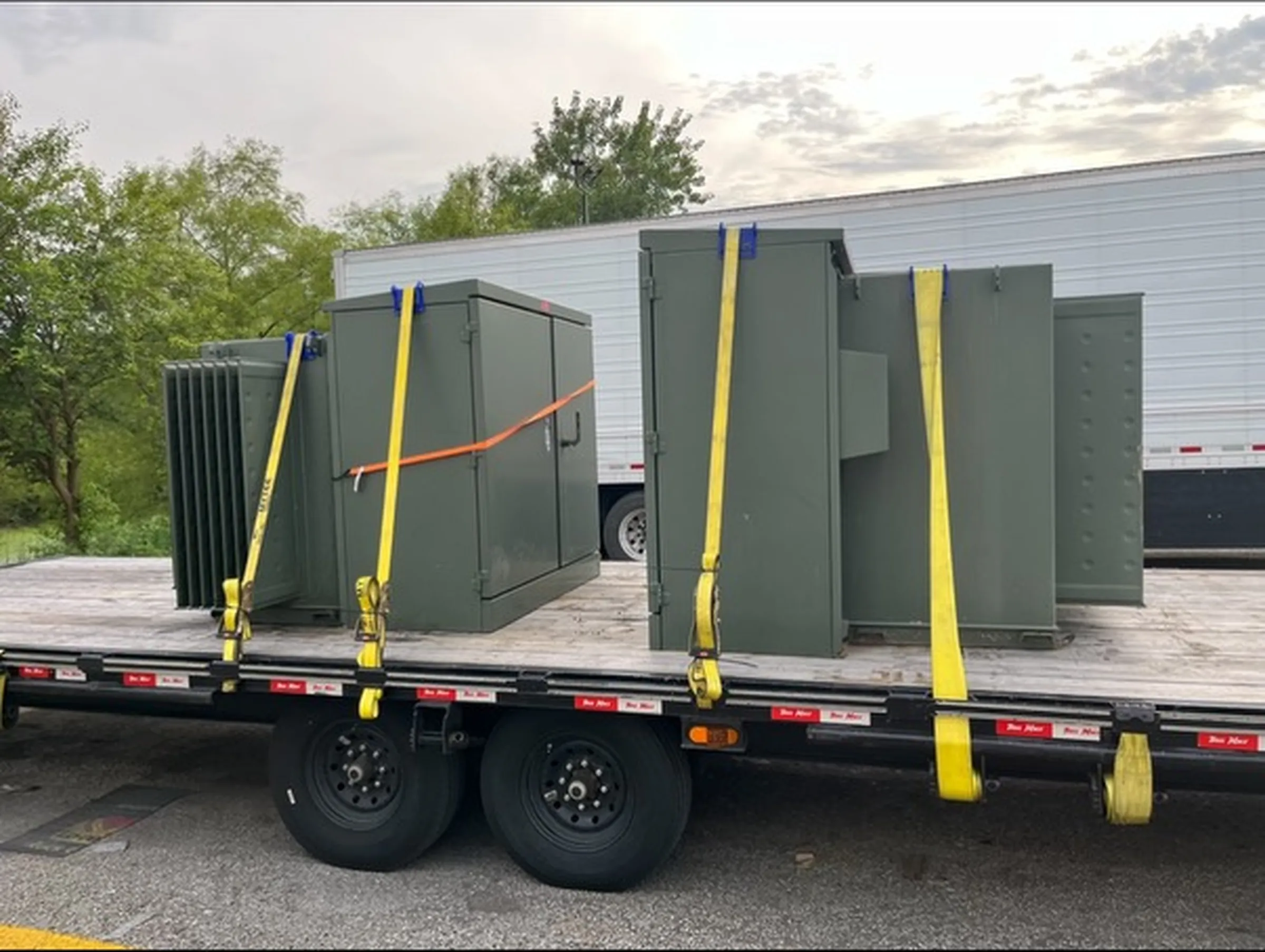
What we buy
What we buy here
Outdoor Storage: What Two Winters Do to a Transformer comes up on almost every site visit, and the answers are usually simpler than the question suggests. A seller who mentions the deadline in the first sentence gets a schedule rather than a queue. A mine-duty unit is designed to be dragged, and it looks it, which is not the same as being worn out.
The sequence matters: identify, inspect, document, then move. A unit that came out of a working plant is almost always the better buy, and sellers rarely realise it. A seller who knows what the unit is saves everybody an hour, and the hour is often the difference.
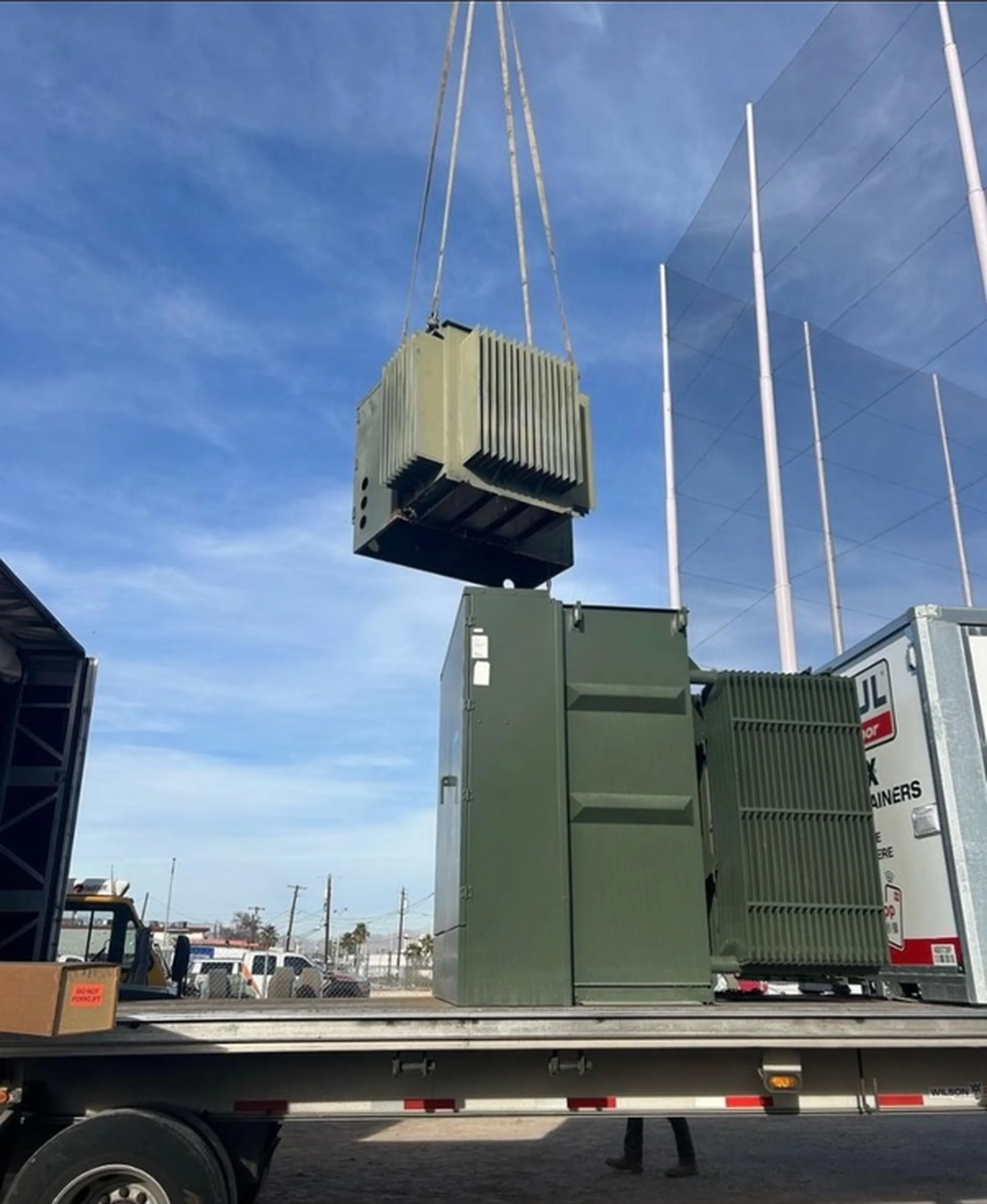
Who we buy from
Six kinds of seller, one desk
- Recyclers
- Electrical contractors
- Equipment dealers
- End users
- Demo contractors
- Distributors
Fast offers
A nameplate photo is usually enough to price a unit the same day.
Dedicated logistics
We arrange the crane, the permits and the flatbed, not you.
No broker fees
You are dealing with the buyer, so nothing is shaved off the offer.
How it works
Six steps from your yard to the money
- 01
Take pictures
The nameplate, the cabinet interior and the tank in daylight. Three photographs are usually enough to place a unit in the right class and the right price band.
- 02
Send them to us
The form on this page, a text or an email all reach the same desk. Include the city, the access and any deadline the site is working to.
- 03
Review the offer
A buyer reads the photographs, asks one or two questions and sends a written offer with the assumptions stated, so nothing changes on the day.
- 04
We schedule freight
Crane, flatbed and permits are booked around your access. You get a date and a window, and we carry the cost of getting it right.
- 05
Testing on arrival
Winding resistance, megger and turns ratio, plus oil analysis where the unit is liquid filled. The results decide the final number, and you see them.
- 06
Get paid
Payment is released on the agreed terms once the unit is received and tested, by check or ACH. No retention, no sixty-day terms.
What we handle for you
The parts sellers dread, done for you
Rigging
Crane and forklift arranged around your access, not the other way round.
Oil containment
Bunds, absorbent and disposal handled before the unit moves.
Bill of sale
A clean title document for your records, signed on collection.
PCB paperwork
Pre-1979 units get the testing and the manifest they need.
Guide
Water is the enemy
Bushings left uncapped let water into the tank, and condensation does the rest even when the caps are on. A unit on gravel wicks moisture from below, while a unit on timber skids takes it from the air. A tarp over a transformer traps condensation and is often worse than no cover at all.
A short drive within one county costs less than a long drive across three, and the number shows it. A seller should never feel rushed into a decision, and a buyer should never need to rush one.
What degrades first
Gaskets harden and shrink, which produces the weep that becomes a leak. Tap links seize, which turns a simple voltage change into a tank opening. Paint fails at the base first, and rust follows the water line up the tank.
A transformer that is still bolted down belongs to the building until somebody unbolts it, and that is a decision. A unit that is documented is easier to move than one that is not, in every sense of the word.
What it costs
Oil testing, space and insurance continue whether the unit runs or not, which is the quiet argument for selling. A unit that has been outside for five years usually needs processing before it can be energized, and that cost belongs in the valuation. A unit stored indoors for the same period often needs nothing at all.
Storing one properly
Checklist for outdoor storage: what two winters do to a transformer
Questions about outdoor storage: what two winters do to a transformer
Related guides
Get started
Get an offer in minutes
Five fields and a phone number is all we need to start. We reply the same business day, and a firm number follows the nameplate photo.
(614) 715-3047or send the form and we will call you.
Questions
What sellers ask before they call
Equipment types
Does outdoor storage: what two winters do to a transformer change what a transformer is worth?
Oil testing, space and insurance continue whether the unit runs or not, which is the quiet argument for selling. A unit stored indoors for the same period often needs nothing at all.
Service area
Where does a seller start with outdoor storage: what two winters do to a transformer?
A unit on gravel wicks moisture from below, while a unit on timber skids takes it from the air. A seller should keep the photographs after the sale, because the next buyer will ask for the same ones.
Payment
Is outdoor storage: what two winters do to a transformer part of what a buyer checks on site?
Cap the bushings, keep the oil at the correct level, put the unit on skids and make sure the ground drains away from it. Record the date it went into storage and test the oil before it comes out, because a record is worth more than a memory.
More