No fees, no broker
Leak Repair: When a Weep Is Worth Fixing
A working guide for Ohio sellers: what decides the number and how the unit leaves.
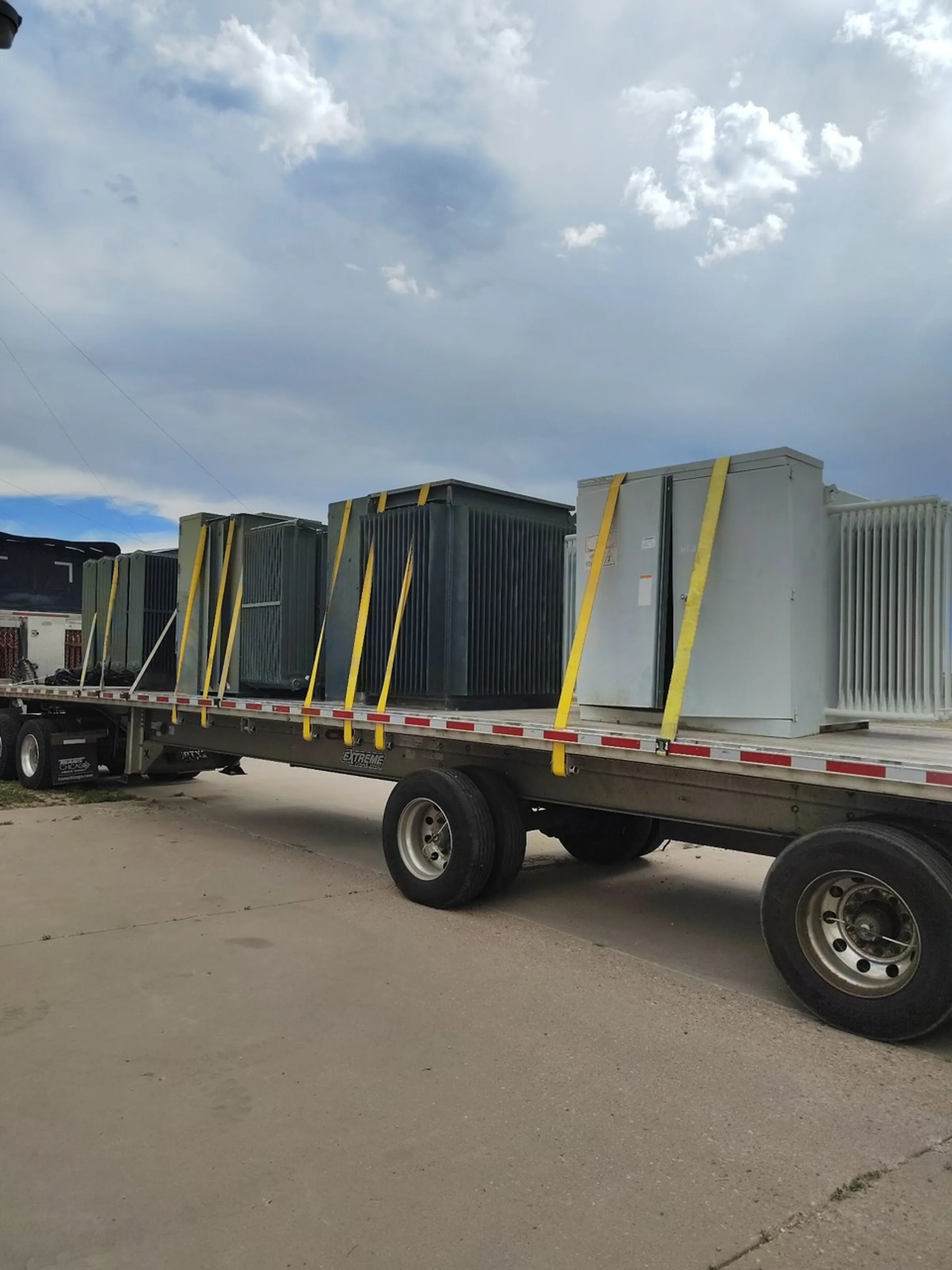
What we buy
What we buy here
Understanding Leak Repair: When a Weep Is Worth Fixing changes the conversation from what a unit weighs to what a unit is. A buyer who turns up with a torch and a tape measure is not there to argue about the paint. A buyer who cannot say where the unit will go is a broker, and brokers add a day and a deduction.
The sequence matters: identify, inspect, document, then move. A transformer is heavy, oily, regulated and awkward, and every part of the process reflects that. A seller should never feel rushed into a decision, and a buyer should never need to rush one.
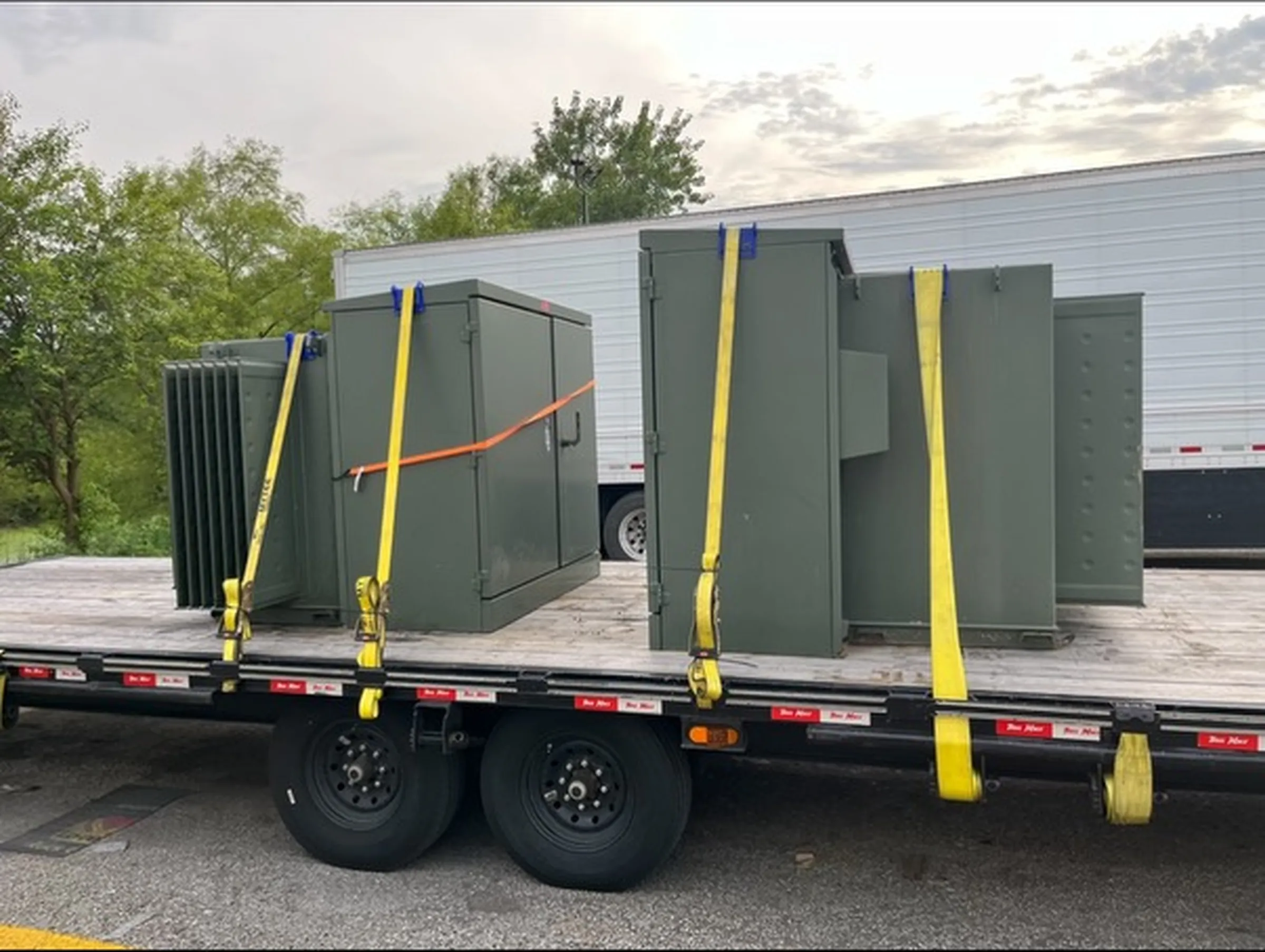
Who we buy from
Six kinds of seller, one desk
- Recyclers
- Electrical contractors
- Equipment dealers
- End users
- Demo contractors
- Distributors
Fast offers
A nameplate photo is usually enough to price a unit the same day.
Dedicated logistics
We arrange the crane, the permits and the flatbed, not you.
No broker fees
You are dealing with the buyer, so nothing is shaved off the offer.
How it works
Six steps from your yard to the money
- 01
Take pictures
The nameplate, the cabinet interior and the tank in daylight. Three photographs are usually enough to place a unit in the right class and the right price band.
- 02
Send them to us
The form on this page, a text or an email all reach the same desk. Include the city, the access and any deadline the site is working to.
- 03
Review the offer
A buyer reads the photographs, asks one or two questions and sends a written offer with the assumptions stated, so nothing changes on the day.
- 04
We schedule freight
Crane, flatbed and permits are booked around your access. You get a date and a window, and we carry the cost of getting it right.
- 05
Testing on arrival
Winding resistance, megger and turns ratio, plus oil analysis where the unit is liquid filled. The results decide the final number, and you see them.
- 06
Get paid
Payment is released on the agreed terms once the unit is received and tested, by check or ACH. No retention, no sixty-day terms.
What we handle for you
The parts sellers dread, done for you
Rigging
Crane and forklift arranged around your access, not the other way round.
Oil containment
Bunds, absorbent and disposal handled before the unit moves.
Bill of sale
A clean title document for your records, signed on collection.
PCB paperwork
Pre-1979 units get the testing and the manifest they need.
Guide
The three leak locations
Gasket leaks appear at the cover, the handhole or the bushing pocket, and they are usually the cheapest to fix. Weld leaks appear at seams and at the base, and they require draining and a qualified welder. Radiator leaks appear at the fin joints, and a crushed or split radiator is a replacement rather than a repair.
A seller who knows what the unit is saves everybody an hour, and the hour is often the difference. A seller who mentions the deadline in the first sentence gets a schedule rather than a queue.
What repair involves
A gasket repair means draining below the joint, replacing the gasket, refilling and testing, which is a day of work. A weld repair means draining the unit, purging it, welding and re-testing, which is a week and a permit on a large unit. A radiator replacement means sourcing the part, which is often the hardest step on an older unit.
A partial assembly is bought on the assumption that something is missing, because it usually is. A short drive within one county costs less than a long drive across three, and the number shows it.
When it is not worth it
A tank bottom that is thin from rust will leak again somewhere else, and patching it is a delay rather than a repair. A unit with multiple leaks is usually a unit with a corrosion problem rather than a gasket problem.
At purchase
Checklist for leak repair: when a weep is worth fixing
Questions about leak repair: when a weep is worth fixing
Related guides
Get started
Get an offer in minutes
Five fields and a phone number is all we need to start. We reply the same business day, and a firm number follows the nameplate photo.
(614) 715-3047or send the form and we will call you.
Questions
What sellers ask before they call
Equipment types
Does leak repair: when a weep is worth fixing change what a transformer is worth?
A tank bottom that is thin from rust will leak again somewhere else, and patching it is a delay rather than a repair. A unit with multiple leaks is usually a unit with a corrosion problem rather than a gasket problem.
Service area
Where does a seller start with leak repair: when a weep is worth fixing?
Weld leaks appear at seams and at the base, and they require draining and a qualified welder. The work is unglamorous and the equipment is heavy, which is why so few people do it properly.
Payment
Is leak repair: when a weep is worth fixing part of what a buyer checks on site?
A leak does not end a purchase, but it does change the category from equipment to repair candidate. The offer should name the assumed repair, so that both sides know what the number includes.
More